



Delivering Expert
SEO Since 2005

100% In-house
Experts

5-Star Client
Reviews
Doublespark – Your Trusted Digital Marketing Partner
A few reasons businesses across Cambridge, Peterborough, and the wider Cambridgeshire area choose Doublespark:
- Trading since 2005: Over 20 years improving SEO, PPC, and website performance for local and national organisations, with measurable commercial results.
- Transparent by design: See how we work, communicate, and stay accountable in our Trust Framework.
- Right-sized support: A senior-led model that gives growing businesses real expertise without unnecessary layers – see our Right-Sized Partnership page.
- AI search expertise: Practical AEO and GEO work to improve citation visibility in AI Overviews, Copilot, and answer-first search experiences.
- Outcome focused: Bespoke SEO and PPC built around enquiries, leads, and revenue – not vanity metrics – with clear reporting and real-time insights.
- In-house technical team: No outsourcing. Specialists and developers working together using trusted tools such as Ahrefs, Semrush, Google Search Console, and GTmetrix.
- Trusted track record: Independent, results-driven, and chosen by local SMEs and national brands alike.
Our team helps SMEs turn websites into lead-generating assets across the region. If you are looking to grow your search presence, visit our dedicated Cambridge SEO services team or our regional Peterborough SEO services hub. Both departments combine robust technical foundations with practical AI search optimisation, ensuring your business stays visible across both traditional search and the new generation of answer engines.

Frustrated with lacklustre online performance?
Learn more about our SEO, PPC, Ecommerce and Website services and how we improve visibility across both search and AI Overviews:
SEO
Rise Above the Noise
Stay One Step Ahead
We create tailored SEO strategies to get your business in front of the right people at the right time. Alongside improving rankings and driving organic traffic, we optimise your content for AI Search and AI Overviews so your pages are more likely to be cited in engines like Copilot. Our approach helps you build authority, attract leads, and stay ahead in a crowded market.
SEO Services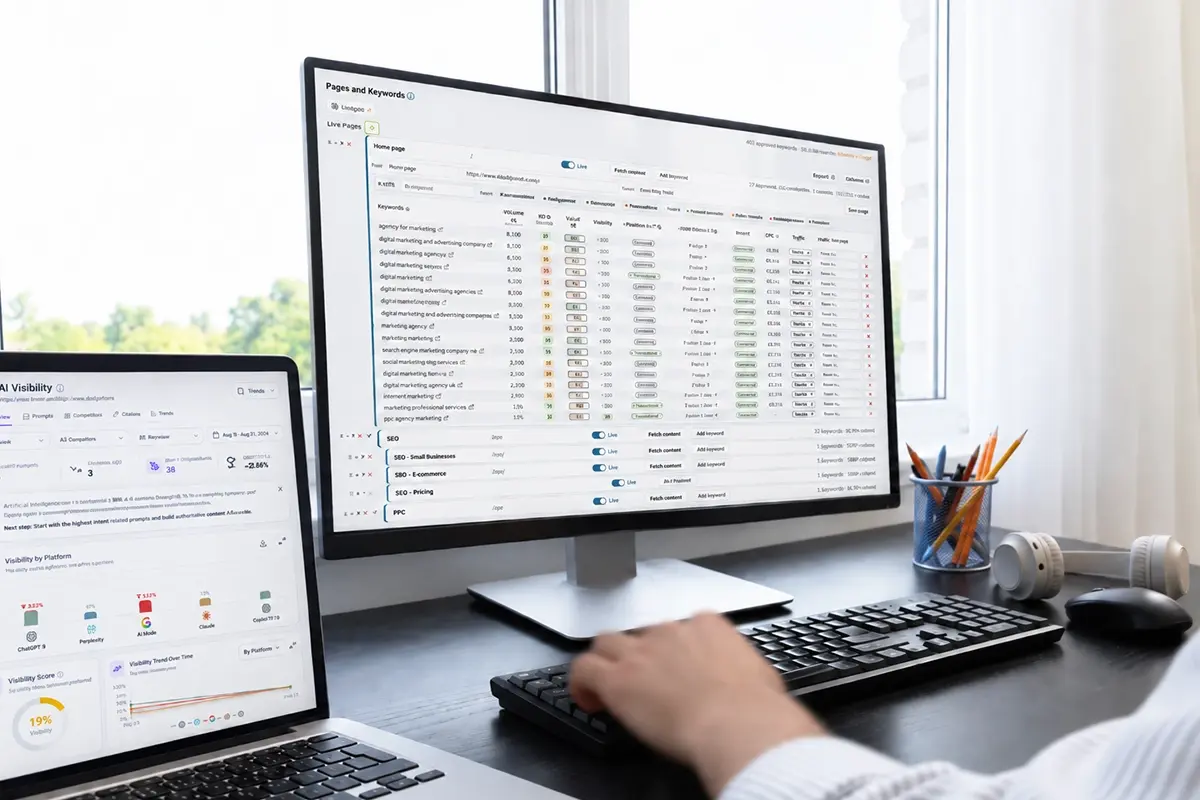
PPC
Designed to Perform
Powered to Convert
Our PPC campaigns are built for performance: targeted, compelling, and results-driven. We focus on connecting your brand with ready-to-buy audiences, helping you generate fast, trackable returns and long-term growth.
PPC Services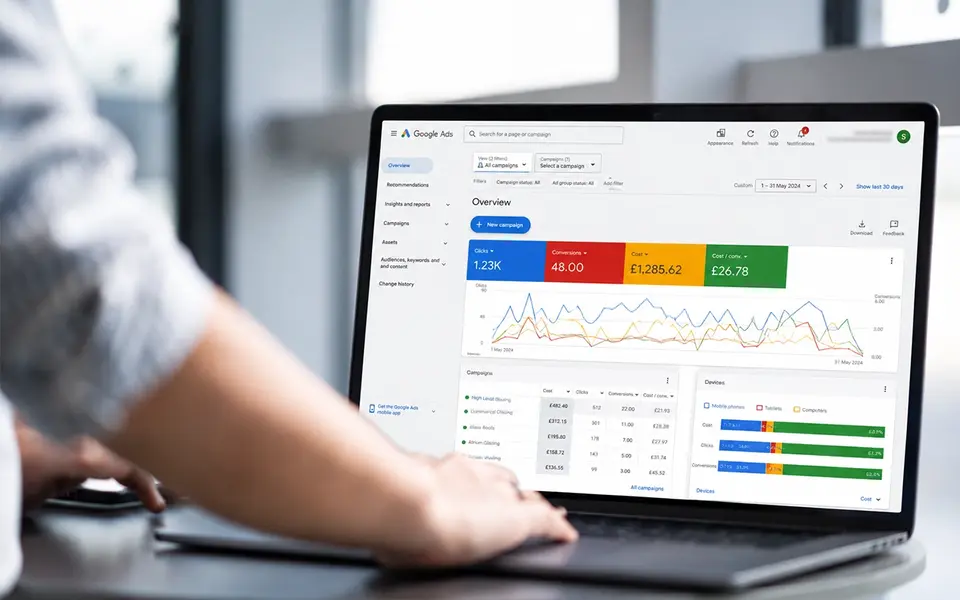
Ecommerce
Built to Convert
Designed to Grow
Your online store needs more than just good looks - it needs to perform. We design and develop ecommerce websites that stand out, engage your audience, and turn visitors into loyal customers. Alongside strong UX and mobile-friendly design, we optimise your key pages for AI Search and AI Overviews so your brand is more likely to be cited in engines like Copilot. The result is an ecommerce experience that drives traffic, increases visibility across emerging AI platforms, and supports your long-term growth.
Ecommerce Web Design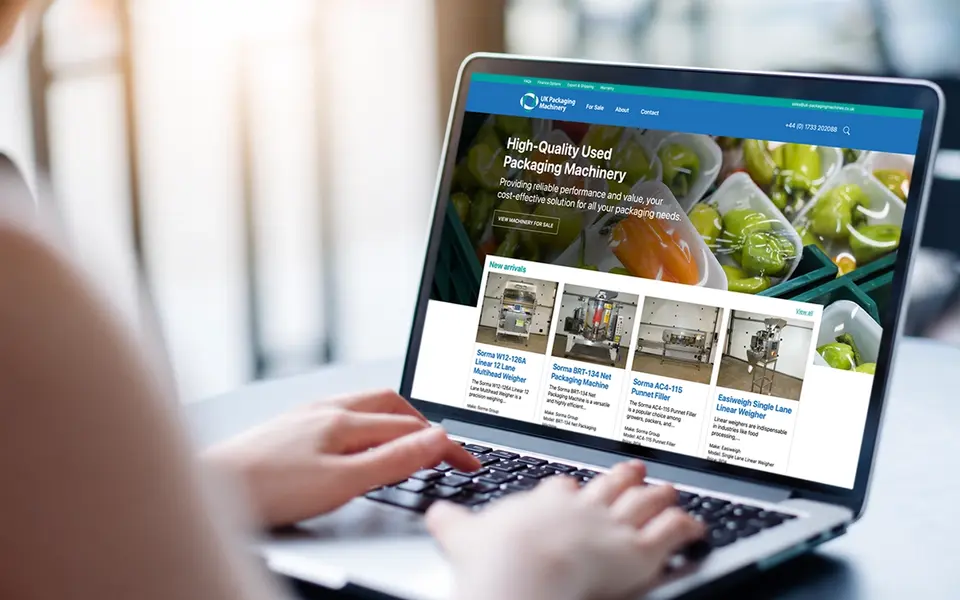
Websites
Built for SEO, AI,
Speed & Sales
Your website is your brand’s first impression - so we make it count. We create custom websites that not only reflect your business goals but also attract, engage, and convert. Alongside strong technical foundations and fast performance, we optimise key pages for AI Search and AI Overviews, improving your chances of being cited across engines like Copilot. Whether you’re launching a new venture or refreshing an existing site, our team delivers high-performance platforms that work beautifully on every device and drive measurable results.
Website Design
What Our Clients Are Saying
5-Star Google Reviews That Reflect Our Commitment to Excellence
-
3 months ago
I got Gary at DoubleSpark to overhaul my website as it wasn't performing very well. It has now been transformed and performing really well. We have been getting lots of leads from it. DoubleSpark have done a brilliant job. Thank you.
-
4 months ago
I had a great experience with Doublespark Internet Marketing. The team is knowledgeable, professional, and genuinely focused on delivering results. They took the time to understand my business needs and provided clear, effective strategies that made a noticeable difference.
-
7 months ago
I have been with Doublespark since 2012. As a Cambridge SEO company they supported the online shop and the online marketing, helping more clients find and book our services. Gary has always been willing to help with any issues on the website and has been quick to respond when I have asked for any updates or changes to be made to the website. Highly Recommended
-
9 months ago
Great company to work with, on hand with tech queries and very proactive when an very rare issue arises.
-
11 months ago
Doublespark have looked after website maintenance and hosting for osteolabs since 2021. They keep the site running smoothly, deal with updates behind the scenes, and respond quickly whenever we need support.


Recent Results
Our integrated SEO, PPC, and web design services help Cambridge businesses overcome digital challenges, unlock growth, and secure stronger visibility across both traditional search and emerging AI search experiences. By combining technical expertise with AI-ready content strategies, we deliver measurable improvements in traffic, rankings, and conversions.
Client: Ecommerce Business – Cambridge
Problem: Slow mobile site speed, poor indexing
Solution: Speed optimisation, sitemap improvements, duplicate content clean-up
Result: +42% organic traffic in 3 months, +1.8s faster load speed
Client: B2B Service Provider – Cambridge
Problem: Site migration issues, rankings drop
Solution: Full audit, redirect fixes, crawl budget optimisation
Result: Rankings recovered and improved within 8 weeks
Client: Local Trades Business – Cambridge
Problem: Low visibility in local search and minimal enquiries
Solution: Google Business Profile optimisation, local citations, service-area content
Result: 73% rise in local traffic, 60% increase in phone enquiries within 10 weeks
Whether you're an ecommerce brand, service provider, or local business, our joined-up approach to SEO, PPC, and design ensures every part of your online presence is prepared to perform. From higher rankings and better user experience to increased visibility in AI Overviews and Copilot-style results, we focus on delivering measurable ROI where it matters most.

More Of Our Digital Marketing Services
Serious about growth? Our SEO and web services are built to deliver. Explore how we improve visibility in traditional search as well as AI Overviews and emerging AI-driven results.
Flexible Partnerships Built on Results, Not Contracts
With over 20 years of experience in SEO, PPC, ecommerce, and website development, Doublespark delivers data-driven digital marketing that helps Cambridgeshire businesses grow online.
From startups to established brands across the region, we understand the local landscape and what it takes to stand out - all with no long-term contracts and a focus on measurable results.
Unlike many agencies, we don’t believe in locking clients into lengthy contracts. Too often, businesses are forced to stick with underperforming services simply because they’re tied in.
At Doublespark, we earn your trust through results - not paperwork. Our flexible, no-contract model simply asks for 30 days’ notice if you ever choose to leave.

News, Insights and Strategies to Drive Digital Success
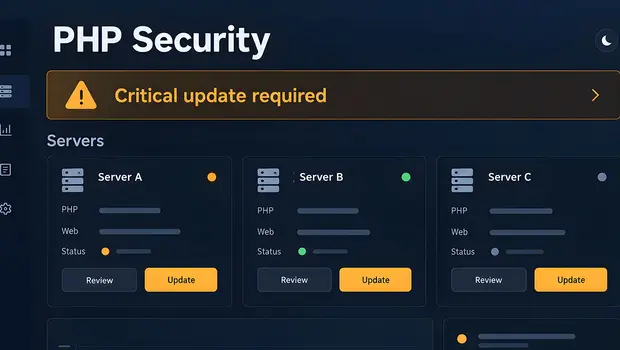
Critical PHP Flaws: Our Response
Critical PHP vulnerabilities made national headlines this week. We patched our hosting servers the same day the fixes were released and verified they were running. Here's what happened, how we responded, and why our clients don't need to take any action.
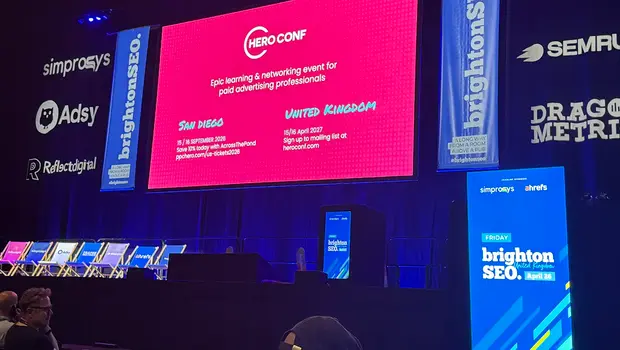
10 PPC Strategies We Brought Back from BrightonSEO 2026
Ten paid media strategies from brightonSEO 2026, from POAS and server-side tracking to compounding CPCs and a smarter budget split.

10 Search Strategies From BrightonSEO 2026
Ten things we brought back from brightonSEO 2026, from AI citation share to the conversion basics that still pay.
FAQs About Doublespark Internet Marketing
How Is AI Search (SGE) Changing SEO In 2025, And How Will Doublespark Keep Us Ahead?
Search is changing. Generative results and AI summaries are appearing more often, both inside search engines and in separate assistants. For many businesses, this raises understandable questions. Will people still click through to websites? How do we remain visible if answers are given directly on the results page? What does this mean for SEO?
This FAQ explains what AI-driven search experiences are doing, what remains constant, and how Doublespark Cambridge adapts strategy so that you are visible and competitive over the next few years, not just today.
What AI search and SGE actually change
AI search features, sometimes called SGE or generative answers, can:
-
Show an instant summary of answers to a query at the top of the results
-
Pull in information from multiple websites and present it as one explanation
-
Sometimes show links or cards that highlight the sources
-
Suggest follow-up questions or refinements that keep users in the interface
This means that for some queries, fewer users will scroll down to the traditional blue links, especially for simple informational questions.
What stays the same
Despite new formats, several fundamentals do not change:
-
Search engines still need high quality website content to summarise
-
They still have to decide which sites they can trust as sources
-
Users still click through when they want depth, tools, calculators, pricing or detailed guidance
-
Local intent, commercial research and product discovery still rely heavily on strong websites and landing pages
In other words, AI features add a new layer, but they do not remove the need for good sites. If anything, they raise the bar, as poor or thin pages are even less likely to be used as sources.
How Doublespark adapts content for AI-driven search
We design content so that it works for both classic and AI-driven experiences.
Key elements include:
-
Clear, direct answers near the top of key pages and FAQs, written in plain language
-
Structured headings and subheadings that map neatly to specific questions and topics
-
Strong supporting detail for users who choose to click through when they need more than a quick summary
-
Schema markup such as FAQ, HowTo, Product and LocalBusiness where appropriate, to help machines understand context
-
Topical clusters – groups of interlinked pages that demonstrate depth on important themes
This makes your site more attractive both as a direct result and as a potential source for AI-generated summaries.
Why experience and authority matter more than ever
AI search systems need to avoid showing incorrect or misleading information. As a result, they place more emphasis on signals of:
-
Real world experience and expertise
-
Clear ownership, authorship and accountability
-
Evidence, citations and data
-
Consistency of information across different platforms
For Doublespark clients, this means we encourage:
-
Detailed author bios on content, especially where professional advice is involved
-
Evidence-based content with examples, case studies, and where possible, data
-
Strong, consistent profiles across your own site, Google Business Profile, and key third party sites
-
Thoughtful reviews and testimonials that back up your claims
These steps were already sensible for traditional SEO; AI search simply makes them more important.
Measuring success in an AI-influenced world
Traditional metrics like rankings and organic sessions are still useful, but they are only part of the picture. We also look at:
-
Branded search volume – as more people search specifically for your brand
-
Engaged sessions and conversions from organic traffic that does reach your site
-
Changes in click-through rates for different result types
-
Assisted conversions where organic discovery plays a role earlier in the journey
-
Visibility in different result features such as maps, FAQs and other rich elements
The focus shifts from chasing a single ranking for a single keyword, to understanding how your brand appears across multiple surfaces and touchpoints.
Practical steps to stay ahead
You can future proof your search presence by:
-
Continuing to invest in helpful, up to date content that genuinely answers customer questions
-
Structuring pages clearly, with one main topic and well organised sections
-
Adding FAQ sections that address real objections and follow-up questions
-
Keeping technical performance strong, with fast loading and clean code
-
Treating search as part of a wider marketing system that includes email, social, offline and direct relationships
Doublespark’s role is to keep an eye on how search features evolve, test ideas in your market, and adjust plans without throwing away everything that already works.
How long does SEO take to deliver meaningful results?
Many businesses ask us how quickly they will see results from SEO. The honest answer is that timelines vary, but there are consistent patterns you can plan around. Below, we explain what typically happens in the first 30, 60 and 90 days, what influences the pace of growth, and how Doublespark sets expectations from the outset. We also outline how our no long term contracts and clear reporting make progress visible and accountable.
What usually happens in the first 30/60/90 days
In month one we prioritise diagnostics: a technical audit, analytics setup, baseline keyword tracking, and a content and competitor gap analysis. Month two focuses on foundational fixes (indexation, site structure, page speed) and quick win content improvements. By month three, we are executing content expansion and outreach or digital PR while tightening internal links and conversion opportunities.
This cadence is not a guess; it is a pragmatic way to de risk and accelerate growth. It works best when we have access to your CMS and analytics from day one and stakeholders can approve changes swiftly. Our approach is grounded in being established in 2005 with 20+ years’ experience, no long term contracts, clear, fixed pricing with flexible payment plans, an in house team using class leading tools, transparent reporting with real time insights, and a focus on measurable outcomes for SMEs across Cambridge, Peterborough and London.
What influences the timeline
Key variables include your starting authority, the competitiveness of your target terms, content quality and frequency, technical debt, and how quickly changes can be shipped. Local lead generation terms in Cambridge or Peterborough often move faster than highly competitive national terms. Ecommerce sites may see rapid wins from technical fixes (indexing, speed, internal links), with growth compounding as product and category content improves and digital PR earns coverage.
What results to expect and when
As a rule of thumb, early leading indicators (crawl coverage, impressions, Map Pack visibility, non brand clicks) usually improve in the first 6 to 12 weeks. Commercial rankings and conversions typically compound over 3 to 6 months and beyond. We never promise a specific number one ranking, but we do commit to a transparent plan, agreed milestones, and weekly or monthly reporting so you can see exactly what is improving and why. The goal is durable gains that survive algorithm updates, not short lived spikes.
How Doublespark manages risk and momentum
We front load risk reduction by fixing crawl and indexation blockers and stabilising Core Web Vitals. In parallel we plan content around search intent and sales objections, then use internal linking and digital PR to strengthen topical clusters. Because we do not lock clients into long contracts, it is on us to earn your continued investment through visible, compounding outcomes.
Quick checklist you can use today
- Share access fast. Provide CMS, Analytics / GA4, Search Console and Google Business Profile access in week one so fixes and tracking are not delayed.
- Prioritise implementation. Approve and ship technical fixes and on page updates quickly; lag kills momentum and extends timelines.
- Own your SERP. Track Map Pack, People Also Ask, and rich results in addition to blue links; these often move first and drive leads early.
Helpful glossary
- Core Web Vitals – A set of Google performance metrics (LCP, INP / CWV updates, CLS) that reflect real world page experience. Better scores support rankings and conversions.
- E E A T – Experience, Expertise, Authoritativeness, and Trust. Signals that help search engines assess content quality and reliability.
- Search Intent – The underlying goal behind a query: informational, navigational, transactional, or commercial investigation.
- Topical Authority – Depth and breadth of content around a subject; built via comprehensive, interlinked resources on a theme.
- Schema Markup – Structured data code that helps search engines interpret and display your content with rich results.
Appendix: extra tips for getting more from your SEO investment
- Talk to real customers at least once per quarter. Your customers’ words are raw material for high converting copy and long tail keywords.
- Keep a change log. When rankings move, a simple log of on site edits, releases, and campaigns is gold for diagnosis.
- Refresh cornerstone content every 6 to 12 months. Add data, examples, and FAQs that directly answer the latest questions you hear.
- Audit internal linking. Many sites have “orphan” pages that never get crawled properly. Link from your highest authority pages to key money pages.
- Own your data. Ensure admin access to Google Analytics / GA4, Search Console, Google Business Profile, and your CMS. Do not lock critical assets to a single user.
- Review SERP features (People Also Ask, Top Stories, Map Pack). Optimise content format so it stands a chance of winning the right feature, not just a blue link.
- Align sales and content. SEO works best when content maps to real objections your sales team hears every week.
- Revisit title tags and H1s on your top 20 pages. Aim for clarity first, then curiosity.
- Compress images and lazy load media to protect Core Web Vitals.
- Retire underperforming content; consolidate thin posts into a single, comprehensive guide.
- Answer five new customer questions on your product or service pages each quarter.
How much does SEO cost with Doublespark, and what affects budget?
We offer clear, fixed pricing and flexible payment plans so you understand the investment up front and can scale it over time. In this guide we explain what typically sits in an SEO budget, how scope and competitiveness affect cost, and how to evaluate value beyond hourly rates using tangible KPIs and commercial outcomes.
What you are paying for
A sustainable SEO programme blends strategic thinking, experienced execution and tooling. Expect a mix of technical engineering, content research and production, design or development time for UX fixes, digital PR or link earning, analytics, and reporting. Senior oversight protects quality and ensures work maps to revenue, not vanity metrics.
How competitiveness and scope change the number
Niche, local campaigns typically require less investment than national or multi region campaigns. Highly competitive verticals such as legal, finance, and home services in major metros need more content, stronger PR, and patience. Ecommerce and international sites add product feed, hreflang and platform complexity that must be budgeted for.
How we protect ROI
We align the roadmap to commercial goals and track leading and lagging indicators such as visibility, qualified sessions, assisted conversions, and closed won revenue where possible. Transparent reporting and no long term contracts keep us accountable. Because our team is in house and uses class leading tools, you are paying for productive time rather than layers of outsourcing. Established in 2005 with 20+ years’ experience, no long term contracts, clear, fixed pricing with flexible payment plans, an in house team using class leading tools, transparent reporting with real time insights, and a focus on measurable outcomes for SMEs across Cambridge, Peterborough and London.
What a sensible starting point looks like
If you have never invested in SEO before, we often start with an audit and a tightly scoped first 90 day plan. This keeps early spend focused on risk removal and quick wins, with an option to scale content and PR as traction appears. For established programmes, budget is driven by the gap between where you are and the leaders you are chasing.
Quick checklist you can use today
- Define your commercial KPIs. Clarify lead quality, sales cycle, and average order value so we can design the right budget envelope.
- Prioritise high intent pages. Start by improving pages that rank near the top of page two; these move fastest and impact revenue.
- Plan for content velocity. Budget for consistent publication; sporadic bursts rarely beat disciplined, compounding output.
Helpful glossary
- Search Intent – The underlying goal behind a query: informational, navigational, transactional, or commercial investigation.
- Topical Authority – Depth and breadth of content around a subject; built via comprehensive, interlinked resources on a theme.
- Schema Markup – Structured data code that helps search engines interpret and display your content with rich results.
- Local Pack / Map Pack – The three pack of Google Business Profile listings with a map; vital for local lead generation.
- Canonicalisation – Signals that tell search engines which version of a URL is primary when duplicates exist.
Appendix: extra tips for getting more from your SEO investment
- Talk to real customers at least once per quarter. Your customers’ words are raw material for high converting copy and long tail keywords.
- Keep a change log. When rankings move, a simple log of on site edits, releases, and campaigns is gold for diagnosis.
- Refresh cornerstone content every 6 to 12 months. Add data, examples, and FAQs that directly answer the latest questions you hear.
- Audit internal linking. Many sites have “orphan” pages that never get crawled properly. Link from your highest authority pages to key money pages.
- Own your data. Ensure admin access to Google Analytics or GA4, Search Console, Google Business Profile, and your CMS. Do not lock critical assets to a single user.
- Review SERP features (People Also Ask, Top Stories, Map Pack). Optimise content format so it stands a chance of winning the right feature, not just a blue link.
- Align sales and content. SEO works best when content maps to real objections your sales team hears every week.
- Revisit title tags and H1s on your top 20 pages. Aim for clarity first, then curiosity.
- Compress images and lazy load media to protect Core Web Vitals.
- Retire underperforming content; consolidate thin posts into a single, comprehensive guide.
- Answer five new customer questions on your product or service pages each quarter.
What exactly will you do each month, and how will you measure success?
Great SEO is a process, not a one off project. Here we break down typical monthly activities – technical, on page, content, internal linking, and digital PR – and the reporting cadence you can expect. We also show which KPIs matter at each stage so you can distinguish meaningful progress from noise.
Technical and on page hygiene
We maintain a rolling backlog from the initial audit, tackling crawl and indexation, duplicate content and canonicalisation, Core Web Vitals, structured data, navigation and internal links. On page work covers title and meta improvements, H1 and H2 structure, intent alignment, and conversion copy where needed.
Content planning and production
We map content to search intent across the funnel: service pages, comparison pages, buying guides, FAQs, and authoritative resources that build topical depth. Each piece earns its place with a hypothesis, target queries, and a measurable role in the journey. We also refresh assets that are close to winning.
Digital PR and authority
Rather than buying links, we earn coverage through stories that matter – data hooks, expert commentary, and partnerships that make sense for your brand. We keep your link profile healthy by monitoring anchors, sources, and topical relevance.
Reporting that people actually read
You will receive dashboards and monthly commentary highlighting what we did, what moved, what is next, and where we need your input. We track visibility, qualified traffic, engaged sessions, assisted and last click conversions, and revenue proxies. Our approach is grounded in being established in 2005 with 20+ years’ experience, no long term contracts, clear, fixed pricing with flexible payment plans, an in house team using class leading tools, transparent reporting with real time insights, and a focus on measurable outcomes for SMEs across Cambridge, Peterborough and London.
Quick checklist you can use today
- One owner per metric. We assign internal owners for key KPIs so it is always clear who is responsible for moving what.
- Quarterly planning. Every quarter we re forecast based on fresh data, competitor moves, and product or seasonal changes.
- Share wins and blockers. Our reports celebrate traction and call out obstacles – we want decisions, not just dashboards.
Helpful glossary
- Core Web Vitals – A set of Google performance metrics (LCP, INP / CWV updates, CLS) that reflect real world page experience. Better scores support rankings and conversions.
- E E A T – Experience, Expertise, Authoritativeness, and Trust. Signals that help search engines assess content quality and reliability.
- Search Intent – The underlying goal behind a query: informational, navigational, transactional, or commercial investigation.
- Topical Authority – Depth and breadth of content around a subject; built via comprehensive, interlinked resources on a theme.
- Schema Markup – Structured data code that helps search engines interpret and display your content with rich results.
- Local Pack / Map Pack – The three pack of Google Business Profile listings with a map; vital for local lead generation.
Appendix: extra tips for getting more from your SEO investment
- Talk to real customers at least once per quarter. Your customers’ words are raw material for high converting copy and long tail keywords.
- Keep a change log. When rankings move, a simple log of on site edits, releases, and campaigns is gold for diagnosis.
- Refresh cornerstone content every 6 to 12 months. Add data, examples, and FAQs that directly answer the latest questions you hear.
- Audit internal linking. Many sites have “orphan” pages that never get crawled properly. Link from your highest authority pages to key money pages.
- Own your data. Ensure admin access to Google Analytics / GA4, Search Console, Google Business Profile, and your CMS. Do not lock critical assets to a single user.
- Review SERP features (People Also Ask, Top Stories, Map Pack). Optimise content format so it stands a chance of winning the right feature, not just a blue link.
- Align sales and content. SEO works best when content maps to real objections your sales team hears every week.
- Revisit title tags and H1s on your top 20 pages. Aim for clarity first, then curiosity.
- Compress images and lazy load media to protect Core Web Vitals.
- Retire underperforming content; consolidate thin posts into a single, comprehensive guide.
- Answer five new customer questions on your product or service pages each quarter.
What areas do you cover for digital marketing?
We help UK organisations grow through search-led digital marketing, with a focus on SEO, technical performance and conversion-ready web design. Below you’ll find our core service areas. Each link takes you to a detailed page for that location, but we routinely support clients across neighbouring towns and the wider region.
Although our offices based in Cambridge, March and Peterborough, we work with clients in London, across the UK and internationally – particularly throughout Europe. Many London organisations choose us because our Cambridge location lets them access agency-level expertise at a more competitive hourly rate – making projects more cost-effective than hiring London-based agencies.
SEO Services
Our SEO work combines technical fixes, content strategy and authoritative link building. We prioritise speed, crawlability and clear KPIs so you can see exactly how organic search contributes to leads and revenue.
- SEO Cambridge – Enterprise-grade strategy for competitive sectors, from universities and tech to professional services. Expect robust technical audits, content frameworks and measurable growth.
- SEO Peterborough – Local and regional search campaigns geared to attract high-intent customers across the city and surrounding business parks, backed by clean tracking and reporting.
- SEO Huntingdon – Practical, results-driven SEO for SMEs and B2B firms, blending on-page optimisation with targeted content to win valuable searches in your niche.
- SEO St. Ives – Location-aware optimisation to boost maps visibility, service-area pages and conversion paths that turn local traffic into enquiries.
- SEO St. Neots – Growth plans for ambitious businesses, including technical clean-up, content roadmaps and authority building that compounds over time.
Website Design Services
We design and build fast, secure websites engineered for search and sales. Every build is planned around Core Web Vitals, accessibility, and friction-free user journeys.
- Web Design Cambridge – High-performance sites for innovation-led organisations. UX research, scalable information architecture and SEO baked in from day one.
- Web Design Peterborough – Conversion-focused builds for local traders and multi-location brands, with clear calls to action and easy content management.
- Web Design Huntingdon – Clean, accessible designs that load quickly and support your marketing campaigns, from lead gen to product enquiries.
- Web Design St. Ives – Lightweight, mobile-first pages that rank well and guide users to contact, quote or purchase with minimal friction.
- Web Design St. Neots – Modern, search-ready builds with structured data, tracking and analytics set up correctly from launch.
- Web Design March – Practical websites for growing businesses, balancing brand, usability and the technical details that influence rankings.
- Web Design Chatteris – Smaller sites that punch above their weight – fast, secure and simple to update, with clear pathways to enquiry.
Not in the list? We regularly work across Cambridgeshire and the surrounding counties. If you’re nearby, get in touch and we’ll advise on the best SEO or web design approach for your location.
Do you require long term contracts, what does onboarding and the first 90 days look like?
No, Doublespark does not tie clients into long term contracts. We prefer to earn your business each month with clear deliverables and visible progress. This FAQ explains how onboarding works, what you will see in the first 90 days, and how we keep momentum without locking you in.
No long term lock ins, here is why
Long contracts can reward complacency. We would rather keep incentives aligned: if we deliver value, you will continue; if we do not, you should be free to change course. That focus keeps our team proactive and accountable.
Onboarding: week 0 to 2
We set up access, confirm KPIs, install or verify GA4 and Search Console, and conduct a deep audit of technical health, content, and competitors. We will agree a 90 day plan with an issues log, owners, and release dates so nothing drifts.
Execution: week 3 to 8
We ship foundational fixes and quick win on page updates, publish the first content pieces, and begin outreach or digital PR. You will see baselines and early movement in impressions and Map Pack visibility.
Acceleration: week 9 to 12
We double down on what is working, plan the next content sprint, and expand internal links. By now you will have rhythm in stand ups, releases, and reporting. With no long term lock in, the process stays sharp and transparent.
Quick checklist you can use today
- Give us a single point of contact. It speeds approvals and prevents bottlenecks on copy, imagery, and development changes.
- Bring sales into the loop. Sales objections are gold for content; feed them to us and we will reflect them on key pages.
- Agree decision SLAs. Simple service level targets for sign offs keep 90 day plans on track.
Helpful glossary
- E E A T – Experience, Expertise, Authoritativeness, and Trust. Signals that help search engines assess content quality and reliability.
- Search Intent – The underlying goal behind a query: informational, navigational, transactional, or commercial investigation.
- Topical Authority – Depth and breadth of content around a subject; built via comprehensive, interlinked resources on a theme.
- Schema Markup – Structured data code that helps search engines interpret and display your content with rich results.
- Local Pack / Map Pack – The three pack of Google Business Profile listings with a map; vital for local lead generation.
Appendix: extra tips for getting more from your SEO investment
- Talk to real customers at least once per quarter. Your customers’ words are raw material for high converting copy and long tail keywords.
- Keep a change log. When rankings move, a simple log of on site edits, releases, and campaigns is gold for diagnosis.
- Refresh cornerstone content every 6 to 12 months. Add data, examples, and FAQs that directly answer the latest questions you hear.
- Audit internal linking. Many sites have “orphan” pages that never get crawled properly. Link from your highest authority pages to key money pages.
- Own your data. Ensure admin access to Google Analytics / GA4, Search Console, Google Business Profile, and your CMS. Do not lock critical assets to a single user.
- Review SERP features (People Also Ask, Top Stories, Map Pack). Optimise content format so it stands a chance of winning the right feature, not just a blue link.
- Align sales and content. SEO works best when content maps to real objections your sales team hears every week.
- Revisit title tags and H1s on your top 20 pages. Aim for clarity first, then curiosity.
- Compress images and lazy load media to protect Core Web Vitals.
- Retire underperforming content; consolidate thin posts into a single, comprehensive guide.
- Answer five new customer questions on your product or service pages each quarter.
What Type Of SEO Do I Need: Local (Maps), National / International, Or E-commerce?
For most businesses, “SEO” is not one single thing. The right approach depends on where your customers are, how they buy from you, and how complex your website is. A trades business in Cambridge that serves a 20-mile radius has very different needs from a national B2B software company, and an e-commerce retailer has different challenges again.
This FAQ explains the main types of SEO - Local, National / International, and E-commerce – and how to work out which mix makes sense for your organisation. We will also look at what Doublespark does differently for each, so you know what you are buying and what success looks like.
Local SEO – for businesses that win customers in a specific area
If your customers mainly come from a defined geographic area and you speak to them in person, on the phone, or on site, you will almost certainly need Local SEO as part of your strategy.
Typical examples include:
-
Professional services such as accountants, osteopaths, dentists, and solicitors
-
Trades such as plumbers, roofers, and electricians
-
Local showrooms such as kitchens, bathrooms, and car dealerships
-
Multi-location chains with separate branches
The main goals with Local SEO are:
-
To appear in the Google Map Pack when someone searches for a service in your area
-
To appear with strong organic listings beneath the map
-
To make it easy for people to call, email, get directions, or request a quote
A Local SEO programme usually focuses on:
-
Google Business Profile optimisation - correct categories, opening times, services, descriptions, images, and regular updates
-
Consistent NAP details – your name, address and phone number should be identical everywhere
-
Location-focused landing pages – for example “SEO agency in Cambridge” or “Osteopath in Peterborough” with real local proof, FAQs and calls to action
-
Review generation - a simple, repeatable process to gather Google reviews from happy customers
-
Local link and citation building - coverage and references from local organisations, business directories and local press
If you are primarily trying to win business in Cambridge, Peterborough or London, a well structured Local SEO campaign is often the fastest route to more high value enquiries.
National and international SEO - when you sell across the UK or beyond
If your market is national or international, you still care about local users, but your main opportunities come from category-level searches that are not tied to a single town or city.
Examples include:
-
B2B service firms with clients across the UK
-
Software companies with remote demos and onboarding
-
Agencies and consultancies with specialist expertise
-
Manufacturers and distributors serving national buyers
In this case, the strategy shifts towards:
-
Topical authority around your main services - building comprehensive clusters of content so that you are clearly the expert on a subject
-
Strong product or service pages that answer detailed questions and handle objections
-
Guides, comparisons and resources that support longer buying journeys
-
Digital PR to win relevant, authoritative links from magazines, sector sites and publications
-
Technical robustness at scale – for example good crawl paths, internal linking, and consistent templates across hundreds or thousands of pages
National and international campaigns often involve more stakeholders, longer sales cycles, and bigger buying committees. That means the content programme has to support early-stage research, mid-funnel comparison, and final-stage proof. When we design national SEO campaigns at Doublespark, we build content and internal linking so that prospects can move through the journey without getting lost.
E-commerce SEO - for retailers and online catalogues
If you sell products online, you have two jobs:
-
Help people discover your products via search
-
Help them complete the purchase smoothly when they land
E-commerce SEO is its own discipline, because the site may contain hundreds or thousands of products, filters, and category combinations. Key areas include:
-
Category and subcategory optimisation - clear naming, supporting copy, FAQs and filters that match how customers shop
-
Product page quality - unique copy, good imagery, technical information, and reassurance around delivery and returns
-
Indexation control - avoiding bloated indexes, thin variations and duplicate content from filters or parameters
-
Internal linking from guides, collections and blog posts to your most important categories and products
-
Structured data / schema for products, reviews, pricing and availability
-
Site performance - Core Web Vitals, mobile usability and on-site search
When we work with e-commerce stores, we usually start with category structure and indexation, then move into copy, internal links, and authority building. The aim is to make it trivially easy for search engines to crawl, understand and rank your most profitable parts of the catalogue.
Which mix is right for you?
Many organisations actually need a blend of all three:
-
A showroom with an online store may need Local + E-commerce SEO
-
A national consultancy with regional offices may need National + Local
-
A manufacturer that sells via distributors may need National + informational content, plus Local SEO support for key distributors
To decide what you need, we usually look at:
-
Where your current best customers come from
-
How they find you now (referrals, search, offline)
-
How long the sales cycle is and who is involved
-
What your growth plan looks like over the next 12 to 36 months
From there, we can recommend a balanced roadmap rather than pushing one model for everyone.
How Doublespark decides where to focus first
At the start of a campaign, we:
-
Audit your current visibility in Maps, organic listings and long tail searches
-
Analyse your search console data, adverts, and analytics to see which themes already work
-
Compare your visibility against local and national competitors
-
Map high value search terms into Local, National and E-commerce buckets
-
Agree commercial priorities, then plan out a first 90 days that attacks risk and quick wins
For example, if we see that you already rank on page two for valuable local terms in Cambridge but have nearly no national visibility, the first months might focus on getting those local rankings over the line. Once that foundation is in place, we can add national content and Digital PR on top.
Questions to ask yourself before you choose an SEO approach
-
Are my best customers local, regional, national or global?
-
Do I sell services, products, or a mixture of both?
-
Does my sales process happen mainly online, offline, or both?
-
How much of my revenue comes from repeat business vs new discovery?
-
What would a realistic, meaningful improvement in search visibility look like over the next year?
If you can answer these honestly, we can suggest a strategy that fits your reality, not a generic template.
SEO Vs PPC: Which Suits My Goals, Or Should I Use Both?
SEO and PPC are often presented as rivals. In practice, they are two sides of the same coin. SEO builds long term visibility that compounds over time. PPC gives fast feedback and instant traffic as soon as you turn a campaign on.
A sensible strategy asks a different question: how do we use SEO and PPC together to meet our goals at an acceptable cost? This FAQ walks through the strengths and weaknesses of each, how they can support one another, and when a combined approach makes the most sense.
What SEO does best
SEO is strongest when you want:
-
Compounding visibility that continues even if you pause spend
-
Coverage across the full journey, from early research to final decision
-
A better user experience for every visitor, not just those from Google
-
Long term reductions in blended cost per lead or cost per sale
Because SEO touches technical performance, content, UX and authority, the improvements you make will also help email, social, and direct visitors. Good SEO makes your website a better salesperson for every channel.
Typical strengths:
-
Excellent return on investment over a longer period
-
Strong coverage for “how”, “why” and comparison queries
-
Higher trust from users who prefer organic listings over adverts
-
Stability through seasonal fluctuations once your position is established
Limitations:
-
Takes time to get moving, especially in competitive markets
-
Requires ongoing content and technical work to maintain an advantage
-
Results are influenced by algorithm changes and competitor activity
What PPC does best
PPC gives you:
-
Immediate visibility for chosen keywords and audiences
-
Full control over daily budgets and bids
-
Very granular targeting options and measurement
-
Freedom to test new markets or propositions without committing to huge content builds
It shines in situations such as:
-
Product launches and seasonal campaigns
-
Testing new service propositions or price points
-
Filling gaps while SEO work is still underway
-
Highly time-sensitive offers
Limitations:
-
You pay for every click, whether or not it converts
-
Costs can rise sharply as more advertisers enter your space
-
Traffic stops as soon as you turn the budget off
-
Poor quality landing pages can make campaigns unprofitable
How SEO and PPC support each other
The most effective programmes treat SEO and PPC as a combined search strategy. Here are some of the ways they reinforce one another.
1. PPC helps SEO discover opportunities faster
PPC search term reports show exactly which queries real users typed before clicking your adverts. That is a goldmine for SEO. We use this data to:
-
Find new topics and long tail phrases worth building content around
-
Spot irrelevant queries that need to be excluded on the paid side
-
Understand the language your customers actually use
2. SEO reduces PPC costs and improves quality
Strong SEO work usually leads to better landing pages – faster, clearer, and more relevant. That improves Quality Scores in Google Ads and can reduce cost per click. It also increases conversion rates, so every paid visitor has a better chance of turning into a lead or sale.
3. Joint coverage improves trust and share of voice
When a brand appears in both paid and organic results for a query, users often perceive it as more established. You effectively occupy more space on the search results page, leaving less room for competitors. For certain critical keywords, it is worth holding both positions.
When to prioritise SEO
You would usually place more emphasis on SEO when:
-
You are committed to a market for the long term
-
Search volumes are high and competition is sustainable
-
You want to improve the overall quality of your website design and content
-
You can invest for several months before demanding a full return
In this case, PPC may still play a role for testing and short term support, but most of the budget goes into technical improvements, content creation, and authority building.
When to prioritise PPC
You might bias towards PPC when:
-
You are entering a new market and want rapid feedback
-
Your product or service has a short life cycle or strong seasonality
-
Search volumes are low, but leads are high value
-
The website is in the middle of a rebuild and you need a bridge
Even then, we usually advise planning SEO in parallel, so you are not paying full price for every click forever.
When a combined approach makes the most sense
In reality, most Doublespark clients get the best results from a combined search strategy. That might look like:
-
Using PPC to test messaging and offers quickly, then rolling winning ideas into SEO content and meta data
-
Holding paid and organic positions for a handful of “must win” commercial searches
-
Letting SEO handle informational and early stage queries, with PPC focused on bottom-of-funnel keywords
-
Sharing reporting across both channels, so decisions are based on total return rather than channel silos
The mix between SEO and PPC will change over time. As organic visibility grows and conversion rates improve, you can often reduce PPC spend on certain terms, reallocate budget to new campaigns, or chase more competitive phrases.
How Doublespark helps you choose the right balance
When we design a programme, we:
-
Review your current SEO and PPC performance, including impression share, costs, and conversion rates
-
Map queries into stages of the customer journey and decide where each channel should lead
-
Identify quick wins where better landing pages or content could immediately improve both channels
-
Agree a joint reporting framework so everyone looks at the same numbers
The result is a search strategy that focuses on revenue and profit rather than “SEO vs PPC” debates.
How Do You Build High Quality Links And Digital PR Safely?
Links from other websites are still a powerful signal for search engines. They act as recommendations. When relevant, trustworthy sites point to your pages, it suggests that your content is useful and worth showing to more users.
However, not all links are created equal. Poor quality or manipulative link building can cause long term harm. This FAQ explains how Doublespark approaches link building and Digital PR in a safe, sustainable way, and what you should look out for when evaluating tactics.
Why links still matter
Modern search algorithms use hundreds of signals, but links still help with:
-
Discoverability - links help search engines find and crawl important pages more quickly
-
Authority - a strong, natural link profile makes it easier for your pages to rank competitively
-
Relevance - links from topical, contextually related sites reinforce what your pages are about
-
Trust - mentions on respected publications, trade bodies and local organisations build real world credibility
You do not need thousands of links. You need the right links, consistently earned over time.
Principles behind safe link building
We follow a small set of principles designed to protect your brand while supporting growth:
-
Relevance first - we target websites and pages that make clear sense for your industry, products, and audience.
-
Editorial judgement - we prefer links that are added by humans because they value the content, not because we paid to place them.
-
Natural anchor text - the visible text of a link should read naturally in context, not as a string of forced keywords.
-
Variety and balance - a healthy mix of brand, URL and topical anchors from different domains looks natural and resilient.
-
Transparency - we show you the work we are doing and the results, so there are no surprises.
Tactics we use to earn links
We do not rely on one trick. Instead, we build a toolkit of tactics that fit your brand and resources.
1. Digital PR and story-led campaigns
We can work with you to:
-
Develop data-led stories, surveys or reports that journalists and bloggers will want to cover
-
Provide expert commentary or opinion pieces on relevant news or trends
-
Pitch your internal experts as sources for articles in trade and mainstream publications
These campaigns aim to win genuine coverage and citations that also happen to include links.
2. Content that attracts references
We help you create:
-
In-depth guides and resources that become the “go to” reference for a topic
-
Visuals, tools or calculators that other sites like to embed or reference
-
Practical checklists and frameworks that people save and share
Over time, these assets can pick up organic links without outreach.
3. Partnerships and community activity
For some clients, we explore:
-
Sponsorship or collaboration with relevant events, charities, or community projects
-
Thought leadership with trade associations, membership bodies and local chambers of commerce
-
Joint content with partners or suppliers
These activities build relationships first; links are a natural outcome rather than the sole aim.
4. Curated directories and resource pages
There are still many high quality directories and resource pages run by real organisations. We can:
-
Identify the ones that are curated, up to date and genuinely used by your target audience
-
Make sure your profile is complete, accurate and consistent
-
Suggest your best content for inclusion where appropriate
Tactics we avoid
We steer clear of tactics that may provide a short term boost but risk penalties or long term damage. These include:
-
Buying links on low quality blog networks or “article farms”
-
Spinning the same article across dozens of sites
-
Participating in obvious link exchange schemes
-
Over-optimising anchor text with repetitive commercial phrases
-
Hiding links in widgets, footers or code without clear value to users
If a tactic would embarrass you if a customer or regulator spotted it, it is not a good tactic.
What a healthy link profile looks like
Over time, a natural link profile will usually show:
-
A steady growth of referring domains instead of sudden spikes
-
A mix of brand name, plain URL and topical anchors
-
A bias towards sites that are relevant to your industry or region
-
A distribution of links to different pages, not just the homepage
We monitor these patterns and adjust campaigns when needed. The goal is sustainable authority, not just hitting arbitrary numbers.
How link building ties into your wider SEO programme
Link building does not sit on its own. It works best when:
-
Your content is already strong and deserves attention
-
Your technical health is good, so new visitors have a fast, smooth experience
-
Your conversion journeys are clear, so traffic has a realistic chance to turn into business
When Doublespark plans a campaign, we check that the underlying foundations are strong enough. There is no point pouring attention onto a site that is not ready to make the most of it.
Can You Help With Site Migrations, Ranking Drops, And Google Penalties?
Technical changes can have a big impact on organic visibility. Redesigns, platform migrations, domain changes and structural overhauls are common points where rankings suddenly fall. In other cases, visibility may drop after an algorithm update or a manual penalty.
This FAQ explains how Doublespark approaches troubleshooting and recovery, what we look for, and what you can expect if we support you through a migration or a ranking problem.
Why migrations and redesigns are risky
Any significant change to your site can affect:
-
URL structures and internal links
-
Page content and layout
-
Technical signals such as canonicals, hreflang and meta directives
-
How quickly and easily search engines can crawl and index the new version
If redirects are incomplete, key pages are removed, or content is thinned out, search engines may struggle to connect the new site with the authority the old one had. The result can be a drop in impressions, rankings and traffic.
How we handle migrations proactively
When we are involved before a migration or redesign, we focus on prevention.
We usually:
-
Audit the existing site - identify high value pages, top keywords, and important linking patterns.
-
Create a redirect map - list every URL on the old site and its corresponding destination on the new site.
-
Agree rules for content changes - highlight where content can be merged, rewritten or removed without losing essential relevance.
-
Check technical setups on staging - crawl the staging site to spot issues before anything goes live.
-
Plan go live monitoring - set up Search Console, analytics, and log file access so we can monitor behaviour from day one.
The aim is to preserve as much existing equity as possible while still gaining the benefits of the new design or platform.
What we do if you have already lost rankings
If you come to us after the drop, we treat it like a forensic investigation.
Typical steps include:
-
Comparing pre- and post-migration crawls and sitemaps
-
Checking redirect coverage and correctness
-
Reviewing canonical tags, meta robots directives and hreflang (if relevant)
-
Checking server responses and error rates
-
Comparing the content and structure of key templates before and after
-
Reviewing internal linking and navigation changes
-
Mapping out which queries and pages lost the most visibility
We then prioritise fixes that are most likely to reconnect your strongest pages with the signals they had before.
Algorithm changes vs manual penalties
Not every drop is caused by a migration. Two big categories are:
-
Algorithm updates - broad updates to how search engines assess relevance and quality
-
Manual actions - specific penalties applied when guidelines are broken
For algorithm updates, we look closely at:
-
The type of pages most affected
-
The quality and uniqueness of content
-
E-E-A-T signals such as author credibility and transparency
-
Ad density, intrusive elements and general user experience
-
Technical issues that might affect how algorithms interpret the site
The response is usually a programme of quality improvements, content refinement, and UX enhancements, monitored over time.
For manual actions, we:
-
Identify the type of action (often related to unnatural links or spam)
-
Audit the problematic areas, such as link patterns or user generated content
-
Work with you to clean up or disavow harmful links where appropriate
-
Improve on-site quality and governance
-
Prepare and submit a reconsideration request when the foundation is strong enough
What recovery looks like in practice
Recovery is rarely a straight line. In most cases, we work in phases:
-
Stabilisation – stop the bleeding by fixing the most severe technical issues and redirect problems.
-
Repair - restore as much equity as possible by strengthening key templates, content and internal links.
-
Improvement - go beyond the old baseline with better UX, fresh content, and a healthier link profile.
Throughout, we set realistic expectations and agree milestones. Some issues can be improved within weeks, others may take several months as algorithms reassess the site.
What you can do to reduce risk in future
Whether or not you work with Doublespark, you can lower the chance of future problems by:
-
Involving SEO early in any redesign, replatforming or rebranding discussions
-
Keeping a simple change log of major deployments and experiments
-
Monitoring Search Console and analytics regularly, not just when something goes wrong
-
Avoiding risky shortcuts in link building or content automation
-
Treating site quality, clarity and performance as ongoing responsibilities
If you are facing a drop now, the most important step is to stop guessing, gather evidence, and work through a structured diagnosis. Guesswork often leads to random changes that make matters worse.