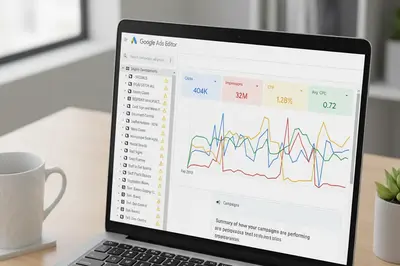
Shop Not Found?
Cambridge
E-commerce SEO
That Lifts
Organic Revenue
A beautifully designed shop is only half the battle. If your product pages don't rank, you lose orders. We fix that across Shopify, WooCommerce and Magento.
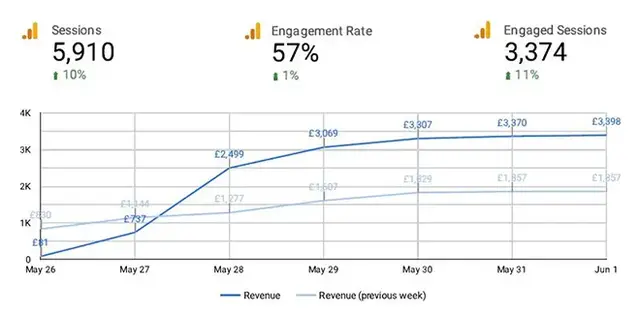
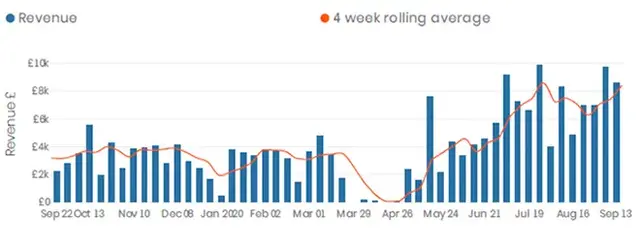
Real Results: Revenue Growth
https://www.xxxxxxxxxxxxxments.co.uk
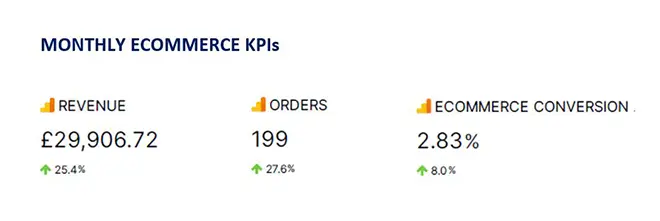
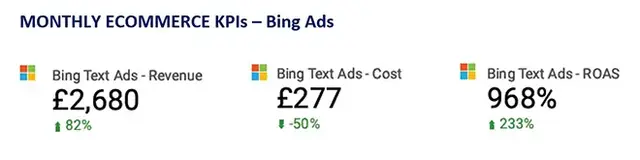
Actual client performance snapshot - real growth, not empty promises
Cambridge E-commerce SEO Built Around Product Discovery and Revenue
As a Cambridge SEO Company, Doublespark treats e-commerce SEO as a revenue lever, not a rankings exercise. We work on product page schema, category page architecture, faceted navigation, Core Web Vitals and conversion-focused content across Shopify, WooCommerce and Magento, so organic traffic turns into orders rather than just impressions.
Explore Key Sections of This Page
What is Ecommerce SEO?
Ecommerce SEO is the process of optimising your online store to rank higher in search engines like Google.
It ensures your products, categories, and brand pages are found by the right people at the right time.
Unlike standard SEO, Ecommerce SEO targets transactional intent - focusing on product visibility, conversion rate optimisation, and long-term organic growth.
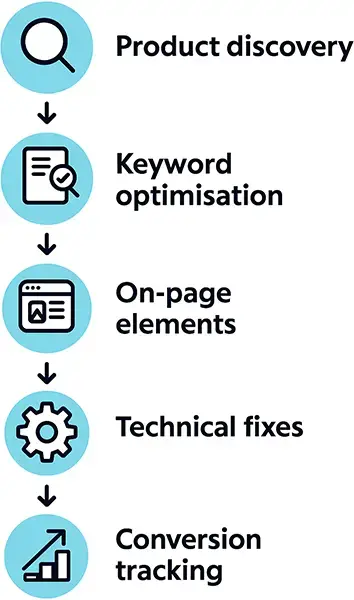
Key Areas of Ecommerce SEO Include:
- Product page optimisation – Titles, meta tags, descriptions, and image alt text aligned with search intent
- Category and filter navigation – Clean, crawlable URLs and faceted navigation optimisation
- Site architecture – Scalable structures that enhance indexing and guide users to high-converting pages
- Technical SEO – Fast-loading, mobile-friendly pages that meet Core Web Vitals standards
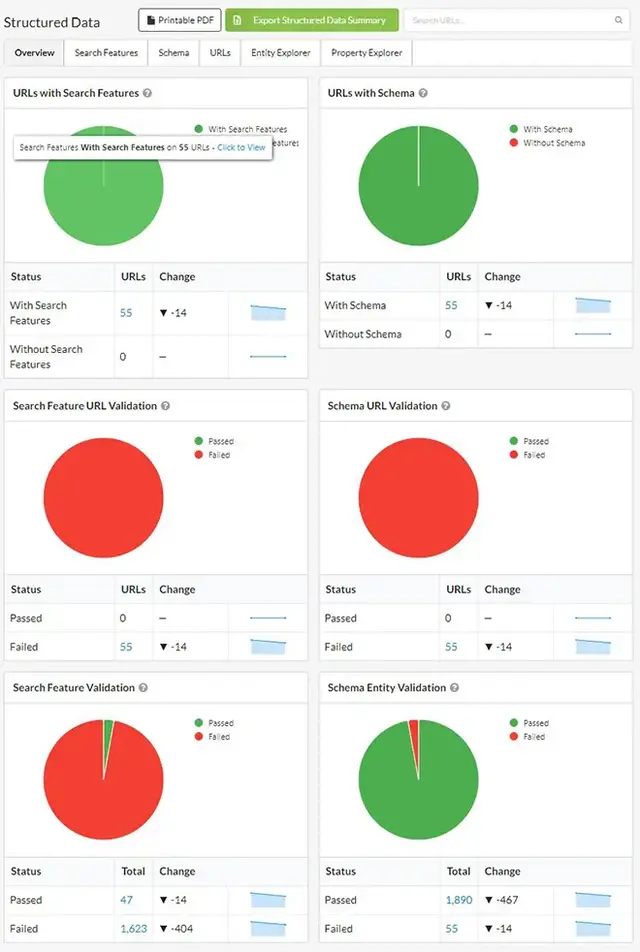
- Schema markup – Rich snippets for product reviews, pricing, availability, and more
- Internal linking – Strategic links that pass authority to key products and collections
- Duplicate content management – Canonicalisation and parameter handling for large product catalogues
- Conversion-focused content – SEO-optimised copy that also persuades and converts
When implemented correctly, Ecommerce SEO doesn’t just drive traffic – it turns that traffic into revenue. By aligning your site structure, product content, and technical foundation with how your customers search and shop, we ensure that your store not only attracts visitors but also converts them into loyal buyers. Every element is fine-tuned for growth, visibility, and long-term success in a competitive ecommerce landscape.
Why Ecommerce SEO Matters
Search engines are a major traffic source for online shops - but without a strong SEO strategy, your products may never be seen.
When you invest in Ecommerce SEO, you benefit from:
- More visibility for your products on Google and other search engines
- Higher rankings for commercial and long-tail search terms
- Increased organic traffic from ready-to-buy customers
- Improved conversion rates through faster, more user-friendly pages
- Stronger ROI than paid advertising in the long term
- Protection from algorithm updates with a technically sound structure
“Did you know that 43% of all ecommerce traffic originates from Google’s organic search results?”
Without Ecommerce SEO, you’re likely missing out on a huge slice of your potential market.
Our Ecommerce SEO Services
We provide tailored SEO strategies for all major ecommerce platforms.
Here are the platforms we work with most often:
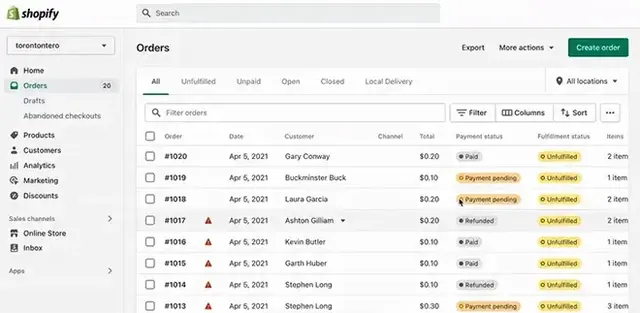
- Shopify – Easy to use, fast to launch, with excellent scalability for small to mid-sized businesses.
- WooCommerce – A powerful WordPress plugin offering total control, great for SEO and customisation.
- Magento (Adobe Commerce) – Enterprise-grade features, ideal for large and complex product catalogues.
- BigCommerce – Advanced built-in tools and great multi-channel selling capabilities.
- Wix – A beginner-friendly builder with ecommerce functionality and simple SEO features.
- Squarespace – Sleek design templates and straightforward setup for smaller online retailers.
From full-site audits to ongoing optimisation, our Ecommerce SEO services cover everything your online store needs to thrive.
Our Ecommerce SEO Services by Platform
From deep-dive audits to ongoing optimisation, we tailor our Ecommerce SEO services to suit the unique SEO needs of your ecommerce platform. Whether you’re on Shopify, WooCommerce, Magento, or another platform, we ensure your store ranks and converts.
Platform-Specific SEO Audits
We perform full SEO audits tailored to your ecommerce platform. Whether it's Shopify’s collection structure, WooCommerce’s plugin setup, or Magento’s layered navigation, we identify platform-specific issues and provide prioritised, actionable fixes.
Speed & Core Web Vitals for All Platforms
- Shopify & BigCommerce: We compress images, eliminate app bloat, and leverage native CDN services.
- WooCommerce: We optimise PHP performance, script loading, and server response times.
- Magento: We address caching issues, JS/CSS minification, and full-page rendering for improved LCP.
- Wix & Squarespace: We work within platform limitations to reduce media bloat and implement best-practice techniques.
Mobile SEO Tailored to Your CMS
- Shopify: Streamlined mobile templates and app performance monitoring.
- WooCommerce: Responsive theme checks and mobile checkout testing.
- Magento: AMP integration and mobile Core Web Vitals analysis.
- Wix/Squarespace: We optimise layouts and advise on mobile-specific content customisation.
Navigation & Category Optimisation
- Shopify: Clean up URL structures from /collections and ensure collection/product hierarchy supports crawlability.
- WooCommerce: Customise category and tag architecture to improve indexing and avoid thin content.
- Magento: Optimise faceted navigation and canonicalisation for layered filters.
- BigCommerce: Ensure category and brand pages are linked logically and not blocked by dynamic parameters.
Product Page SEO
- Shopify: Enhance titles, meta descriptions, and image alt text using built-in SEO fields and structured data apps.
- WooCommerce: Add schema with SEO plugins and optimise Yoast or RankMath settings for ecommerce.
- Magento: Manage duplicate content via canonical tags and ensure metadata is dynamically generated.
- Wix/Squarespace: Focus on keyword-rich product descriptions and manual schema implementation where possible.
Fixing Duplicate Content by Platform
- Shopify: Eliminate duplicate /products and /collections/product URLs with canonical tags.
- WooCommerce: Prevent pagination and tag archive bloat with smart indexing controls.
- Magento: Resolve filter-related duplication using noindex rules and proper URL handling.
- BigCommerce/Wix: Canonicalisation and sitemap optimisation to minimise repetition.
Structured Data Implementation
- Shopify & WooCommerce: Use or customise plugins/apps to inject Product, Review, and Offer schema.
- Magento: Configure JSON-LD manually or via extensions.
- BigCommerce: Leverage built-in schema support and enhance it with developer access.
- Wix/Squarespace: Manually add JSON-LD to product pages where supported.
Ecommerce Search Optimisation
- Shopify & BigCommerce: Enhance on-site search functionality and connect it with Search Console insights.
- WooCommerce: Use search plugins that support keyword tracking and behavioural analytics.
- Magento: Configure ElasticSearch properly and monitor no-result searches.
- Wix/Squarespace: Optimise internal search indexing and tag relevance.
Internal Linking & SEO Authority Flow
- WooCommerce: Improve crawl depth using related product widgets and in-content links.
- Shopify: Ensure collection navigation links support equity flow to high-value products.
- Magento: Manage large catalogues with smart cross-linking based on performance data.
- Squarespace/Wix: Optimise footer, menu, and product-to-product linking within design constraints.
Ongoing SEO Maintenance & Monitoring
- Shopify & BigCommerce: Monthly performance audits, broken link checks, and indexability scans.
- WooCommerce: Plugin updates, crawl reviews, and technical patch checks.
- Magento: Scheduled log file analysis, crawl budget evaluation, and error resolution.
- Wix/Squarespace: Regular content reviews, metadata updates, and indexing verification.
No matter which ecommerce platform you use, our SEO strategies are custom-built to get results. We combine platform expertise with proven search strategies to improve visibility, streamline performance, and drive sales. With ongoing monitoring and hands-on optimisation, we ensure your online store stays competitive, scalable, and search-friendly – today and into the future.
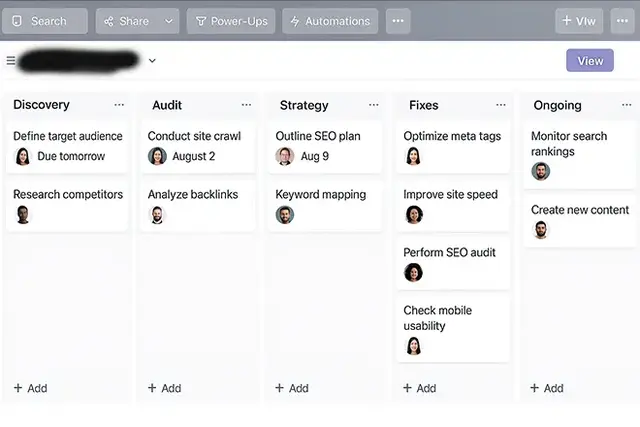
How Our Ecommerce SEO Process Works
Here’s how we turn your ecommerce site into an organic sales engine:
-
Initial Discovery
We learn about your products, platform, market, and growth goals.
-
In-Depth SEO Audit
Using tools like Screaming Frog, Sitebulb, and Google Search Console, we conduct a deep analysis of your ecommerce setup.
-
Strategy Roadmap
We deliver a prioritised SEO plan with timelines, projected impact, and clear next steps.
-
Fix Implementation
We apply the fixes ourselves or collaborate closely with your dev or content team to make changes.
-
Validation & Testing
We validate improvements through crawl tests, speed checks, and ranking benchmarks.
-
Continuous Improvement
We provide ongoing support and optimisation to support your growth and adaptability.
Our ecommerce SEO process is designed for clarity, speed, and results. From the initial audit to continuous improvement, we stay hands-on and accountable – ensuring your online store remains visible, competitive, and conversion-ready at every stage of its growth.
Recent Results
These real-world Ecommerce SEO case studies showcase how our tailored strategies help Cambridge-based online retailers grow traffic, improve visibility, and boost sales.
Client: Fashion Ecommerce Brand – Cambridge
Problem: Poor visibility for long-tail product searches
Solution: On-page SEO, schema, category restructure
Result: +78% organic sessions, +64% product revenue in 4 months
Client: Furniture Retailer – East Anglia
Problem: Slow load times and high cart abandonment
Solution: Speed improvements, mobile UX fixes, SEO content refresh
Result: +41% organic traffic, -23% bounce rate, +17% sales
Client: Health & Beauty Ecommerce Store – London
Problem: Poor product indexing and inconsistent metadata
Solution: Metadata overhaul, structured data, improved internal linking.
Result: +62% impressions, +49% organic clicks, +28% increase in online orders
From technical enhancements to content refinement, our Ecommerce SEO work delivers results that matter – more visibility, more traffic, and more revenue for growing online businesses across Cambridge and beyond.
Tools & Technology We Use for Ecommerce SEO
We combine ecommerce experience with cutting-edge SEO tools to deliver measurable results:
Our toolkit includes:
Screaming Frog & Sitebulb
Ecommerce crawling, product URL auditing, and site architecture reviews.
Google Search Console & GA4
Performance tracking, conversion metrics, and indexing health monitoring.
Ahrefs, SEMrush & Majestic SEO
Backlink profiles, keyword opportunities, and technical benchmarking insights.
PageSpeed Insights & Lighthouse
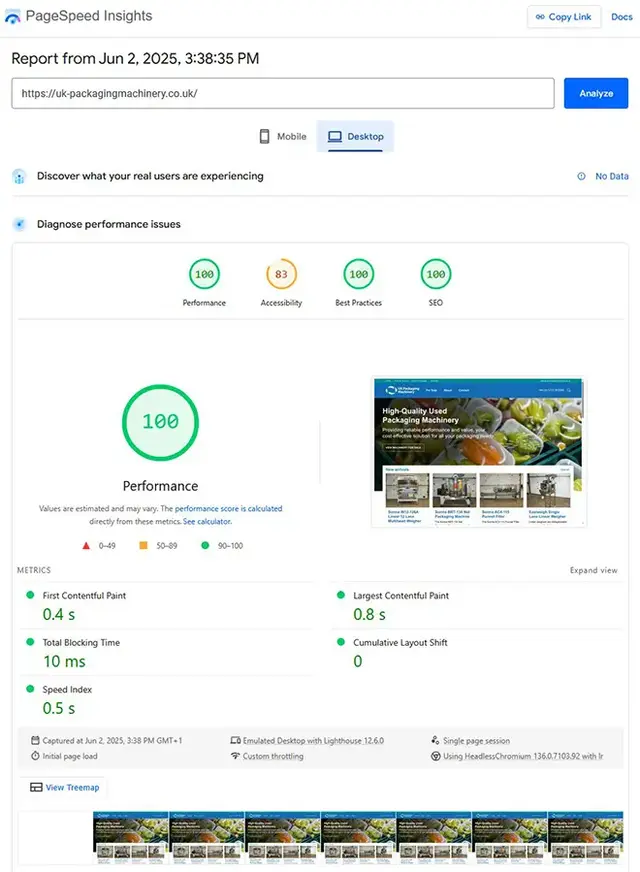
Speed performance testing and Core Web Vitals compliance evaluation.
Cloudflare, Image CDNs & Cache Tools
Used to achieve faster load times and enable global content delivery.
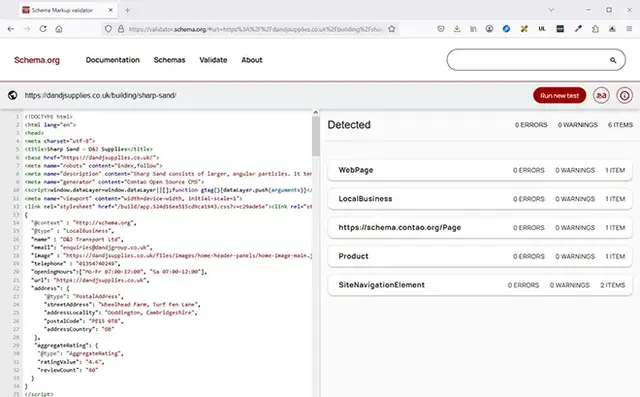
Schema Markup Validators
Testing and validating structured data for product, review, and offer schema.
Custom Dashboards & Reports
Providing full transparency and easy-to-understand performance insights.
By combining ecommerce-specific insight with industry-leading SEO tools, we ensure your site is fully optimised, technically sound, and primed for long-term organic growth.
Industries We Support
Having an optimised ecommerce store is no longer optional – it's critical. Our ecommerce SEO services ensure your products, categories, and brand pages are structured to rank well, attract buyers, and convert consistently across every device.
We optimise for both search engines and shoppers – reducing bounce rates, improving click-throughs, and boosting conversion rates. Whether you're a growing Shopify store, an established WooCommerce retailer, or a Magento-based business, our strategies adapt to your platform, industry, and customer behaviour.
By combining technical precision with conversion-focused content and structured data, we help ecommerce businesses across Cambridge gain visibility, outperform competitors, and generate sustainable organic growth.
-
Wellness, Fitness & Lifestyle
-
Healthcare & Medical
-
Hospitality & Leisure
-
Manufacturing & Industrial
-
Food & Beverage
-
Beauty & Cosmetics
-
Retail & E-commerce
-
Education & Training
-
SaaS & Technology Providers
-
Franchise Businesses
-
Professional Services
-
Local Trades & Services
Local Ecommerce SEO for Cambridge
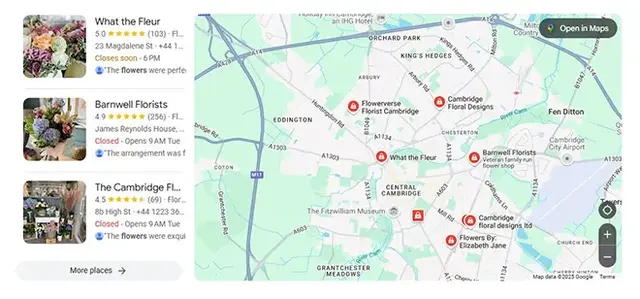
We also help ecommerce businesses in Cambridge strengthen their local visibility by:
- Creating and optimising location-specific landing pages
- Enhancing NAP consistency across your site and directories
- Implementing Local Business schema
- Supporting local pick-up or delivery SEO strategies
- Integrating your Google Business Profile with your ecommerce site
Whether you’re running a local click-and-collect model or a national ecommerce brand headquartered in Cambridge, we ensure you’re technically prepared for local search success.
Benefits of Ecommerce SEO
Investing in Ecommerce SEO delivers long-term results
across every metric that matters:
- Increased Revenue – More qualified traffic leads to more sales
- Higher Product Visibility – Appear for competitive and long-tail product queries
- Lower Cost Per Acquisition – Reduce reliance on paid ads over time
- Improved Site Performance – Faster pages mean happier users
- Stronger Brand Presence – Better rankings build trust and authority
- Future-Proofing – Stay protected against algorithm updates and technical pitfalls
By focusing on long-term visibility, conversion efficiency, and technical excellence, our Ecommerce SEO strategies ensure your online store grows sustainably. Whether you're aiming to increase product reach, reduce acquisition costs, or build brand equity, we help you achieve results that last.
Why Choose Doublespark for Ecommerce SEO?
We’re Cambridge’s ecommerce SEO specialists - trusted by brands who want real results, not generic advice.
- SEO since 2005 – Decades of digital experience, with a focus on ecommerce since the early days
- Platform expertise – From Shopify and WooCommerce to Magento and custom platforms
- Data-first approach – We use data to guide every decision and optimise for ROI
- Transparent reports – Know exactly what’s working and what we’re doing
- Proven track record – Case studies, testimonials, and client wins across ecommerce sectors
“Doublespark transformed our ecommerce presence. Our traffic and sales increased substantially within a few months - and the support has been amazing.”
Partnering with Doublespark means working with a team that understands ecommerce inside and out. We combine technical SEO know-how with commercial insight to grow your store’s traffic, sales, and visibility - backed by years of experience and proven results.

Flexible Partnerships Built on Results, Not Contracts
With over 20 years of experience in SEO, PPC, ecommerce, and website development, Doublespark delivers data-driven digital marketing that helps Cambridgeshire businesses grow online.
From startups to established brands across the region, we understand the local landscape and what it takes to stand out - all with no long-term contracts and a focus on measurable results.
Unlike many agencies, we don’t believe in locking clients into lengthy contracts. Too often, businesses are forced to stick with underperforming services simply because they’re tied in.
At Doublespark, we earn your trust through results - not paperwork. Our flexible, no-contract model simply asks for 30 days’ notice if you ever choose to leave.

SEO Insights: Strategies, Trends and Tactics to Boost Organic Visibility

10 Search Strategies From BrightonSEO 2026
Ten things we brought back from brightonSEO 2026, from AI citation share to the conversion basics that still pay.

Optimising for Generative AI & Answer Engines
Discover how to optimise your SEO for AI Overviews and answer engines. Learn to adapt your content for generative results, build topical authority, and keep your brand visible in Google’s evolving search experience.

How AI is Reshaping B2B Marketing Strategies
Explore how AI is transforming B2B marketing through smarter planning, personalisation, automation, and measurable growth across every channel.
FAQs About Our Ecommerce SEO Services
What is Ecommerce SEO and how does it differ from traditional SEO?
Ecommerce SEO is the process of optimising an online store to improve its visibility in search engines like Google.
While traditional SEO often focuses on informational content, blog posts, or service-based websites, Ecommerce SEO is specifically designed to increase the search presence of product and category pages, and ultimately drive more sales through organic traffic.
Key Differences
- Focus on Product Pages: Ecommerce SEO centres on optimising product titles, descriptions, images, and schema to ensure products appear in relevant searches.
- Handling Large Inventories: Ecommerce websites often feature hundreds or thousands of products, making crawl efficiency, duplicate content, and indexation more challenging.
- Transactional Intent: Ecommerce SEO targets users with a clear buying intent, requiring different keyword strategies than those used for blogs or service pages.
- Technical Complexities: Faceted navigation, pagination, and platform limitations often present additional technical hurdles unique to ecommerce platforms.
Why It Matters
If your ecommerce site isn’t visible in search results, you're missing out on potential sales.
Effective Ecommerce SEO helps increase your product visibility, drives qualified traffic, and lowers your dependency on paid ads. It's an essential long-term strategy for online growth.
How long does it take to see results from Ecommerce SEO?
The time it takes to see meaningful results from Ecommerce SEO varies depending on the size of your website, your platform, the level of competition in your industry, and the current state of your site. However, most ecommerce businesses start noticing improvements in traffic and rankings within 6 to 12 months of a well-executed SEO campaign.
Short-Term Wins
- Fixing major technical issues can result in quicker indexation and crawling improvements.
- Optimising metadata and page speed can lead to early ranking boosts for key products.
Mid-Term Progress
- Keyword rankings improve for product and category pages.
- Organic traffic steadily increases month-on-month.
Long-Term Gains
- Authority builds over time through consistent content and backlinking strategies.
- More pages rank, including long-tail keywords, and conversions increase.
It’s important to treat SEO as an ongoing investment rather than a one-off fix.
With sustained effort, your ecommerce site will continue to grow in visibility, traffic, and revenue over time.
Which ecommerce platforms are best for SEO?
Several ecommerce platforms offer strong SEO capabilities, but some are better suited for scalability, control, and technical optimisation than others. The “best” platform often depends on your business goals, resources, and technical know-how.
Top Ecommerce Platforms for SEO
- Shopify: User-friendly and fast, Shopify is a popular choice for small to mid-sized retailers. While some URL and customisation limitations exist, it's a solid platform with decent SEO functionality out of the box.
- WooCommerce: Built on WordPress, WooCommerce is extremely SEO-friendly and highly customisable. It’s ideal for content-driven ecommerce and businesses needing greater control.
- Magento (Adobe Commerce): Best for enterprise-level businesses, Magento offers deep technical control and scalability but requires more developer input.
- BigCommerce: SEO-friendly URLs, built-in features, and good performance make it a viable Shopify alternative.
Platform Considerations
Regardless of the platform, factors like site speed, mobile-friendliness, crawlability, and content quality will determine your SEO success. At Doublespark, we tailor our strategy to your chosen platform to ensure the best results possible.
What’s included in an Ecommerce SEO audit?
An Ecommerce SEO audit is a comprehensive analysis of your online store’s SEO health. It identifies technical, on-page, and off-page issues that may be preventing your site from ranking well in search engines. The aim is to uncover hidden problems, performance gaps, and opportunities that, once resolved, can significantly improve your organic visibility, user experience, and revenue.
Core Audit Areas
- Technical SEO: We assess crawlability, indexation, loading speed, mobile usability, Core Web Vitals, canonical tags, robots.txt setup, and sitemap accessibility. Technical SEO forms the foundation of any ecommerce site’s ability to rank and scale effectively.
- On-page SEO: Every product and category page is analysed for title tags, meta descriptions, heading structure, keyword alignment, image alt attributes, and product copy. Proper on-page optimisation ensures that your content matches search intent and is easily understood by both users and search engines.
- Site architecture: We evaluate your store’s navigation, internal linking, URL structure, and breadcrumb trails to ensure a logical hierarchy that supports both user journeys and search engine crawling. A well-structured site enhances discoverability and authority distribution.
- Schema markup: Our audit checks the presence, accuracy, and implementation of structured data such as Product, Review, Offer, Breadcrumb, and LocalBusiness schema. This helps enhance your listings with rich results, including price, stock status, and ratings in search results.
- Duplicate content: Ecommerce sites often suffer from duplication caused by filter-based URLs, product variants, pagination, or poor use of canonical tags. We identify all sources of duplicate content and recommend fixes that maintain SEO value and avoid cannibalisation.
Off-Page SEO Analysis
- Backlink Profile: We analyse the quality, relevance, and quantity of websites linking to your ecommerce store using tools like Ahrefs and Majestic. Toxic or spammy links are flagged for disavowal, while opportunities for high-value links are identified.
- Domain Authority & Trust Signals: Our audit reviews your domain's authority and trustworthiness based on link quality, brand mentions, and third-party citations. A healthy backlink profile improves rankings, especially for competitive keywords.
- Competitor Link Gap: We compare your backlink profile with that of your top-performing competitors to uncover missed opportunities. This gap analysis guides future off-page strategies, including link building, outreach, and PR tactics.
- Brand Visibility: We examine your presence across review platforms, online directories, social media mentions, and relevant forums to assess brand sentiment and digital footprint—important trust indicators for both users and search engines.
A Strategic, Actionable Audit
At Doublespark, we deliver more than just data—we provide a prioritised, easy-to-understand report tailored to your platform and business objectives. Every issue is accompanied by a practical recommendation, whether it's a quick win or a more complex technical fix. You’ll also receive a roadmap that outlines short-, mid-, and long-term actions to elevate your SEO performance.
Our Ecommerce SEO audits are designed to uncover every possible barrier to ranking and to create a solid foundation for ongoing success.
Whether you run a Shopify, WooCommerce, Magento or custom-built store, we ensure the audit aligns with your site’s structure and commercial goals.
How does Ecommerce SEO help increase conversions?
While SEO primarily aims to improve visibility and traffic, it also plays a crucial role in boosting conversions. A well-optimised ecommerce site creates a seamless journey from search to sale.
Conversion Benefits of SEO
- Better UX: Fast, mobile-friendly pages reduce bounce rates and keep users engaged.
- Relevant Traffic: Targeting transactional keywords brings in users who are ready to buy.
- Improved Trust: Higher rankings and structured snippets make your store look more credible.
- Clearer Messaging: Optimised product titles and meta descriptions improve click-through rates.
By aligning technical SEO with conversion-focused design, we help your visitors find what they need faster—and encourage them to complete their purchase. It's not just about more traffic; it's about more revenue from that traffic.
Can you optimise product variants and filters without causing duplicate content issues?
Yes, but it requires careful technical implementation. Product variants and faceted navigation (e.g., colour, size, brand filters) can easily lead to duplicate content or indexing problems if not properly managed.
Best Practices Include:
- Canonical Tags: These tell Google which version of a URL is the “master” and should be prioritised.
- Noindex Tags: Useful for low-value or filtered pages that shouldn’t appear in search results.
- URL Parameter Tools: Google Search Console allows you to specify how parameters should be handled.
- Consolidated Content: Keeping product variants on a single page helps avoid splitting link equity and relevance.
At Doublespark, we conduct a full technical review of your site's navigation and product filters, then recommend tailored solutions to ensure SEO performance isn't compromised.
How do you measure success with Ecommerce SEO?
Success in Ecommerce SEO is measured by a range of metrics that go beyond just rankings. We focus on KPIs that tie directly to business growth, including traffic, engagement, and conversions.
Core KPIs
- Organic Traffic: How many users are coming from search engines.
- Keyword Rankings: Where your products and categories rank for target search terms.
- Click-Through Rate (CTR): How well your metadata attracts clicks in the SERPs.
- Conversion Rate: What percentage of organic users make a purchase.
- Revenue Attribution: Ecommerce tracking in GA4 helps identify how much revenue came from SEO.
We provide regular reporting, custom dashboards, and expert analysis to ensure you understand your ROI and can make data-driven decisions.
Do you provide ongoing Ecommerce SEO support?
Yes, we offer ongoing Ecommerce SEO support tailored to your needs. Ecommerce websites are dynamic by nature—with frequent changes in inventory, product pages, and site structure—so SEO must be maintained continuously for lasting success.
Ongoing Support Includes:
- Regular technical audits and performance checks
- Monitoring keyword trends and search behaviour
- On-page updates and new product optimisation
- Monthly reporting and strategic reviews
- Support during sales events, site migrations, and platform changes
Our ongoing service ensures your site remains technically sound, visible in search results, and aligned with the latest algorithm updates and ecommerce trends.
Can Ecommerce SEO be integrated with paid advertising strategies?
Absolutely. While SEO and PPC (Pay-Per-Click) are often seen as separate channels, integrating them can amplify your results and improve overall marketing efficiency.
Benefits of Integration
- Keyword Insights: PPC data can inform which keywords to prioritise in your SEO strategy.
- SERP Dominance: Appearing in both paid and organic listings increases your brand visibility and trust.
- Content Strategy: SEO can help create landing pages that also convert well for PPC campaigns.
- Cost Efficiency: Over time, SEO reduces reliance on paid ads by driving free, high-converting traffic.
We often work alongside PPC teams to align strategies, share data, and ensure your ecommerce marketing budget works harder for you.
How do you optimise Ecommerce sites for Google’s Core Web Vitals?
Google’s Core Web Vitals are a set of performance metrics that focus on user experience, particularly page load speed, interactivity, and visual stability. These signals are part of Google’s ranking algorithm, and they play a critical role in Ecommerce SEO—affecting not only how well your pages rank but also how likely users are to stay on your site and complete purchases.
What Are the Core Web Vitals?
- Largest Contentful Paint (LCP): Measures how long it takes for the largest element (typically an image or headline) to load in the viewport. A good LCP score is under 2.5 seconds.
- First Input Delay (FID): Gauges interactivity—how quickly a user can interact with your site. A good FID score is below 100 milliseconds.
- Cumulative Layout Shift (CLS): Assesses how visually stable your site is during loading. A good CLS score is less than 0.1.
Why They Matter for Ecommerce
Online shoppers expect a fast, frictionless experience. Poor performance in any of these metrics can cause visitors to abandon their session, leading to lower engagement and conversion rates. Optimising for Core Web Vitals not only enhances rankings but directly improves sales and revenue.
Our Optimisation Process
- Performance Audits: We use tools like Google PageSpeed Insights, Lighthouse, and GTmetrix to benchmark your Core Web Vitals across key pages (homepage, product pages, category pages, and checkout).
- Image Optimisation: We compress and convert images to next-gen formats (like WebP), implement lazy loading, and eliminate oversized media assets that delay LCP.
- Script & CSS Minification: We remove unused JavaScript and streamline CSS to reduce load time and avoid layout shifts.
- Server Improvements: We recommend or configure fast, reliable hosting environments, including edge caching via CDNs like Cloudflare, to reduce Time to First Byte (TTFB).
- Font & Asset Loading: Fonts and third-party scripts are optimised for asynchronous loading to prevent delays and interaction lags.
- CLS Remediation: We identify unstable elements (e.g., ads, images without dimensions) and fix them with reserved space and layout-safe rendering practices.
Platform-Specific Tuning
Whether you're on Shopify, WooCommerce, Magento, or BigCommerce, we adapt our optimisation strategies to your platform’s capabilities. For example, Shopify may need app slimming, while WooCommerce might benefit from object caching or server-side tuning.
By making Core Web Vitals a cornerstone of your Ecommerce SEO strategy, you not only meet Google's standards but also create a faster, more reliable shopping experience that encourages visitors to convert. At Doublespark, we ensure your store performs at its peak—technically and commercially.
More Of Our SEO Services
Serious about growth? Our SEO, PPC and web services are built to deliver. Explore what we can do for your business.