Peterborough
Web Application Development Services
Streamline the way your organisation works with bespoke, scalable web applications built for Peterborough businesses, delivering fast performance, smoother workflows, and smarter growth.

Build Smarter Operations with Custom Web Applications
Tell us where your processes are losing time to manual work or workarounds, and we'll scope a web application that fits the way your team actually operates. Web application development sits inside our wider Peterborough Web design agency, so the team that builds the software can also build the website it connects to.
Explore Key Sections of This Page
What Are Custom Web Application Development Services?
Custom web application development delivers bespoke browser-based tools built around the specific needs, constraints, and goals of your organisation.
Rather than forcing your team to work around generic software, a tailored application is designed to fit your processes, your users, and the way you want to grow, giving you flexibility, scalability, and a practical edge over competitors.
Put simply, custom development gives Peterborough businesses greater control over how work gets done online, solving real operational problems in a way off-the-shelf platforms rarely can.
Key Components of Custom Web Application Development:
- Discovery and Requirements Planning
Mapping your workflows, pain points, and priorities to define the right solution from the start. - UX and UI Design
Designing clean, intuitive journeys that make the system easy to adopt and use day-to-day. - Solution Architecture
Creating a reliable technical blueprint that supports performance, security, and future expansion. - Full Stack Build
Developing the frontend and backend, including databases, APIs, integrations, and business logic. - Security and Compliance
Applying strong security controls and GDPR-aligned practices to protect data and reduce risk. - Integrations and Automation
Connecting your application with third-party platforms such as CRMs, ERPs, payment services, and internal tools. - Reporting and Insights
Building dashboards and analytics that help you measure performance and make better decisions. - Support and Improvement
Providing ongoing updates, monitoring, fixes, and enhancements to keep everything running smoothly.
Partnering with Doublespark for custom web application development helps you build a dependable digital platform that supports your Peterborough business now and as it evolves.
Why Custom Web Application Development Matters
Businesses in Peterborough increasingly need digital solutions that match the way they work - generic platforms often miss the detail required for strong performance and consistent growth.
When you invest in a custom web application, you can expect benefits such as:
- Increased Efficiency: Smoother workflows, fewer manual steps, and reduced mistakes through functionality built around your process.
- Scalable Growth: A platform designed to expand as you do, supporting more users, new features, and changing priorities without a rebuild.
- Stronger Brand Identity: A tailored experience that reflects how your organisation operates and helps you stand out in your market.
- Data-Driven Decisions: Reporting built for your KPIs, turning everyday activity into clear insights you can act on.
- Enhanced Security: Security measures aligned to your risks, sector expectations, and regulatory responsibilities, including GDPR.
“According to research reported by Salesforce, businesses that implement custom applications see an average 45% increase in operational efficiency.”
Custom applications are not a nice-to-have - they are a practical route to staying competitive, improving delivery, and supporting long-term success.

Our Custom Peterborough Web Application Development Services
We provide end-to-end custom development, creating practical digital systems that remove friction, solve day-to-day challenges, and support long-term growth for Peterborough organisations.
Bespoke Web Application Development
From initial planning through to launch, we build tailored web applications shaped around your goals, users, and operational requirements.
UX and UI Strategy & Design
Create a smoother user journey with clean, responsive interfaces designed to be intuitive, accessible, and easy to use across devices.
Full Stack Development Services
Frontend and backend development using modern frameworks and languages, including React, Vue, Laravel, and Node.js, selected to suit your project.
Database Development & Management
Reliable, scalable data storage and management using MySQL, PostgreSQL, or MongoDB, designed for performance, integrity, and secure access.
Application Security Services
Security-first development with measures such as encryption, role-based permissions, multi-factor authentication, vulnerability testing, and GDPR-aligned controls.
API Development & Third-Party Integration
Connect your application to payment providers, CRMs, ERPs, and specialist tools through robust APIs and carefully managed integrations.
Advanced Reporting & Analytics
Dashboards and reporting that reflect your KPIs, giving you clear visibility over performance, usage, and operational outcomes.
Ongoing Maintenance & Support
Proactive updates, monitoring, performance improvements, and technical support to keep your application stable and secure.
Our custom development service helps Peterborough businesses move faster, work more efficiently, and build a stronger digital foundation.
Our work
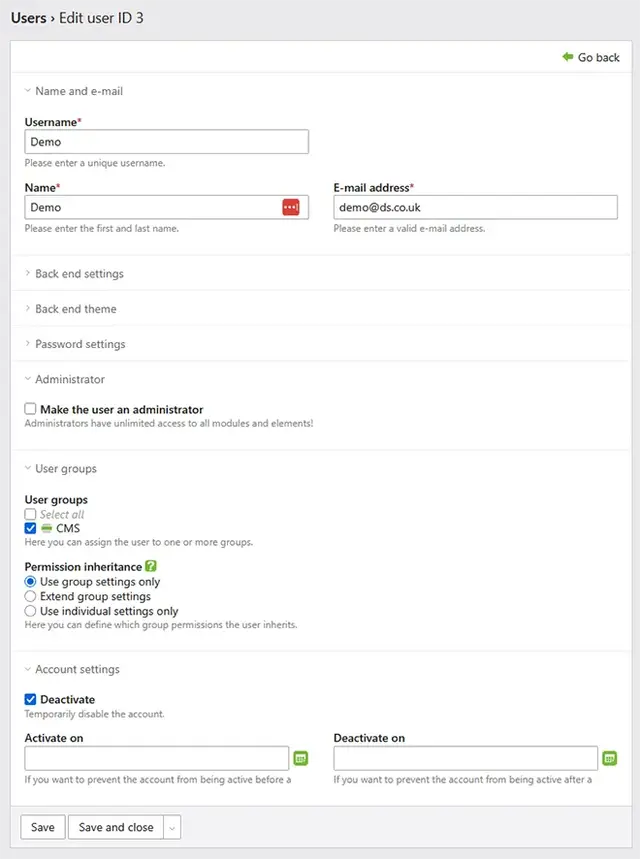
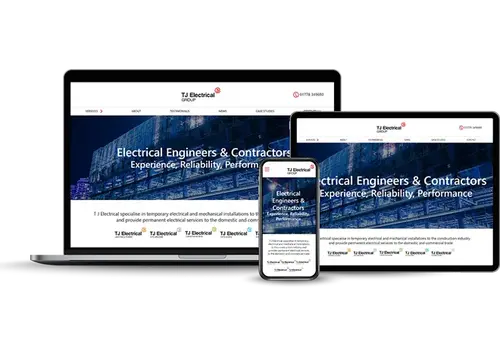
A selection of some of the websites we have designed, programmed, maintain or currently host:


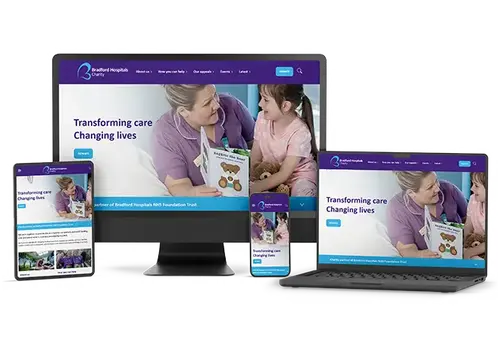
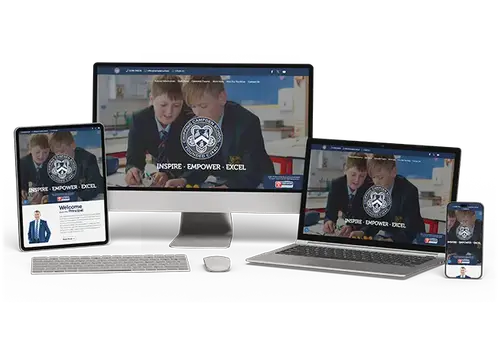



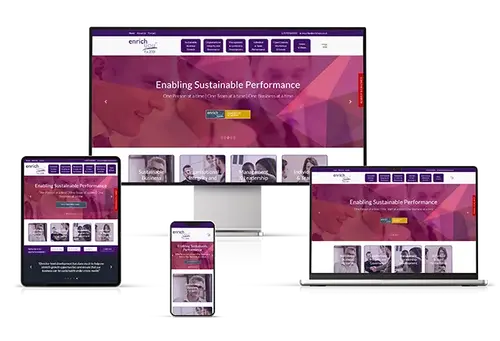


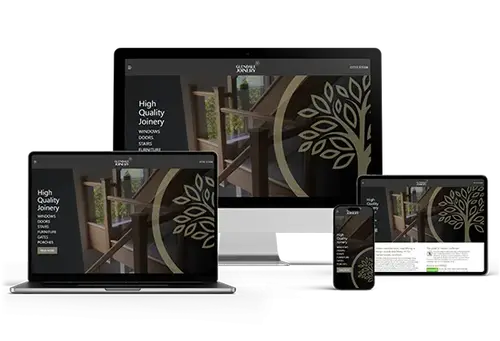



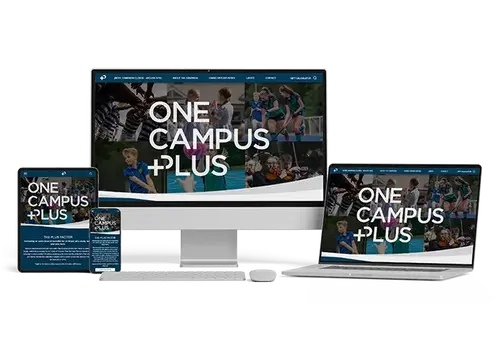
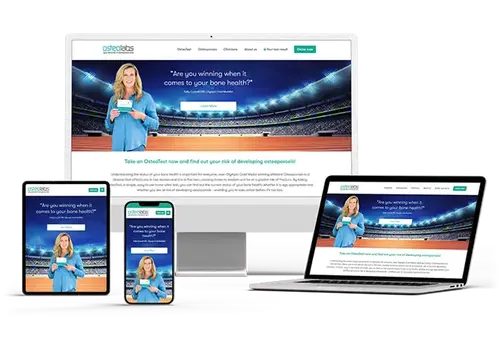


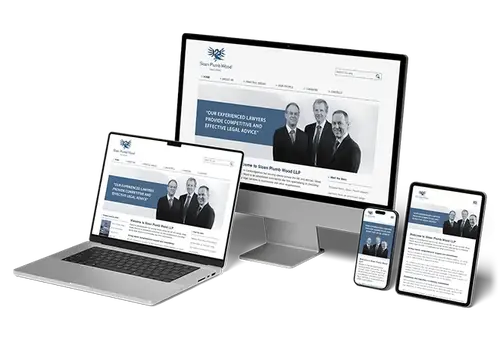
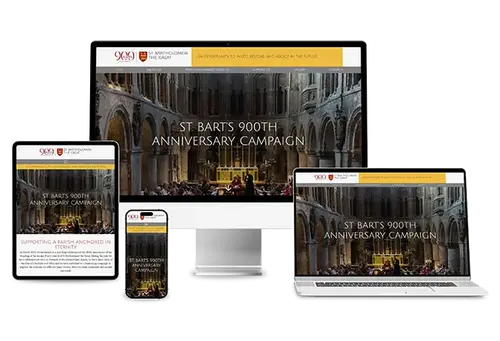




The Custom Application Development Process
Our structured approach keeps delivery clear and predictable, producing user-focused web applications for Peterborough organisations with agreed timelines, costs, and outcomes.
1. Discovery & Direction
We start with focused workshops to understand your business priorities, users, current processes, and technical constraints.
2. Scope & Prototyping
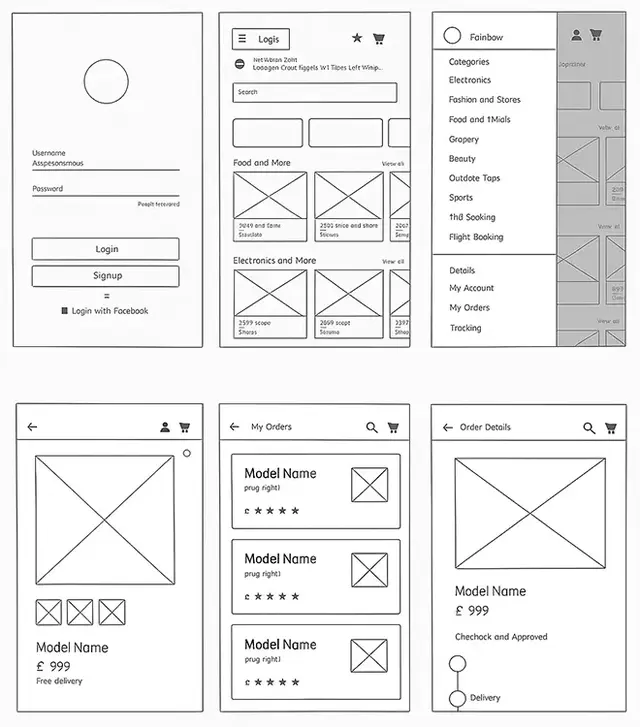
We define features, map workflows, and create wireframes and milestones so everyone has a shared view of what will be built and when.
3. UX and Interface Design
We design clean, accessible screens that reflect your brand and make key tasks faster and easier for real users.
4. Build and Integration
We develop the application architecture, data layer, and full frontend and backend functionality, with security embedded throughout.
5. Testing & Quality Assurance
We test across browsers and devices, validate key journeys, and check performance and security so the application works reliably in day-to-day use.
6. Launch & Deployment
We handle the go-live process, including release planning and checks, aiming for minimal disruption and a smooth handover.
7. Ongoing Improvement & Support
After launch, we provide monitoring, updates, and enhancements to keep the application stable, secure, and aligned with changing needs.
This process helps your Peterborough business get a high-quality application that supports measurable goals and a strong user experience.
Recent Results
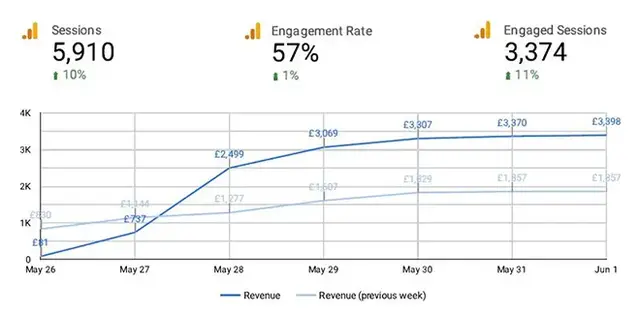
Here’s how our custom web application development has helped organisations across healthcare, education, and technology reduce friction, improve delivery, and achieve measurable outcomes:
Client: Healthcare Service Provider - Peterborough
Problem: A manual booking process led to delays, duplicated admin, and missed appointments.
Solution: Built a custom appointment scheduling and resource management platform with mobile-friendly access for staff on the move.
Result: Faster booking turnaround, fewer admin errors, and stronger patient feedback driven by a smoother experience.
Client: SaaS Business - Peterborough
Problem: Off-the-shelf CRM tools could not match a fast-changing sales process and onboarding requirements.
Solution: Developed a modular CRM tailored to pipeline stages, lead routing, and onboarding workflows, with room to expand as the team grew.
Result: Improved lead-to-customer conversion, clearer reporting, and quicker onboarding from first contact to active account.
Client: Education and Training Provider - Cambridgeshire
Problem: A fragmented enrolment journey caused confusion for learners and extra admin for staff.
Solution: Created a unified online enrolment platform integrated with existing databases, automated confirmations, and clear user journeys.
Result: Higher completion rates for sign-ups, fewer support queries, and better learner satisfaction across key touchpoints.
Across sectors, our custom web applications focus on practical improvements that can be tracked, measured, and built on over time.
Tools & Technology We Use for Custom Web Applications
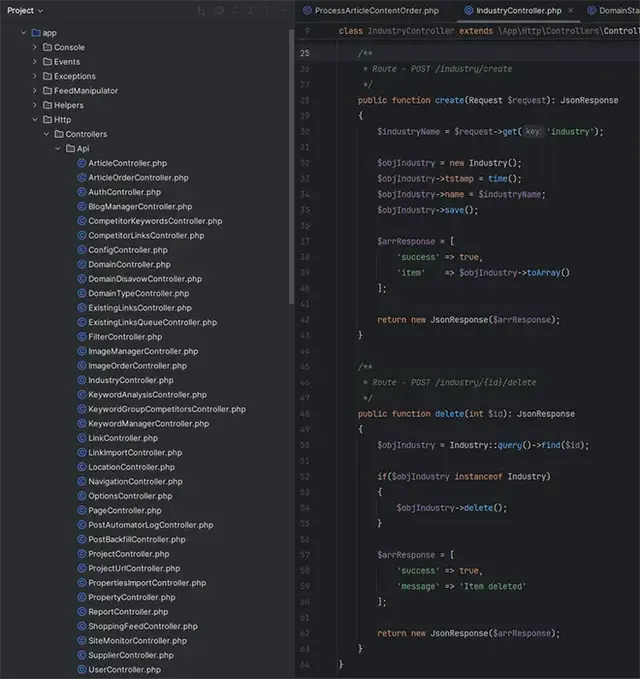
We build fast, reliable custom web applications using a considered mix of modern frameworks, cloud services, and delivery tooling, selected to suit the needs of Peterborough organisations.
Our toolkit includes:
- Laravel and Symfony (PHP)
Proven backend frameworks for building secure, scalable systems with clean architecture and long-term maintainability. - React, Vue and Angular
Modern frontend frameworks for responsive interfaces, smooth interactions, and component-based development. - Node.js
Server-side JavaScript for lightweight services, real-time features, and API-driven applications. - PostgreSQL, MySQL and MongoDB
Flexible database options chosen around your data model, performance requirements, and reporting needs. - AWS, Google Cloud and DigitalOcean
Cloud platforms that support scalability, resilience, and predictable performance as your application grows. - Docker and Kubernetes
Container tooling that improves consistency between environments and supports reliable deployment and scaling. - Cloudflare
Security and performance features such as WAF protection, caching, and edge delivery to keep applications fast and protected. - Figma and Adobe XD
Design and prototyping tools that help us validate journeys early and maintain UI consistency throughout development. - Jira, Trello and Slack
Project tracking and collaboration tools that keep progress visible, tasks organised, and communication clear.
By selecting the right blend of technologies, we deliver custom applications that are secure, maintainable, and built to support sustainable growth.
Industries We Support
Off-the-shelf software can only take you so far - when requirements get more complex, custom web applications provide the control, flexibility, and performance that modern organisations need. At Doublespark, we plan, design, and build bespoke web applications shaped around your processes, users, and goals in Peterborough.
Whether you want to simplify internal workflows, launch a client-facing portal, or replace a slow legacy system, we create secure, scalable applications that remove friction and produce outcomes you can measure. From discovery and specification through to build and release, every decision is made with your priorities in mind.
Our applications are designed for long-term value, with modern frameworks, agile delivery, and responsive interfaces that adapt as your business changes. With integration expertise and ongoing support, we help your platform stay reliable, secure, and ready for what comes next.
-
Professional Services
-
B2B Service Providers
-
Nonprofits & Charities
-
Retail & E-commerce
-
SaaS & Technology Providers
-
Legal & Financial Services
-
Manufacturing & Industrial
-
App & Software Developers
-
Food & Beverage
-
Environmental & Sustainability
-
Public Sector & Government
-
Travel, Tourism & Attractions
Local Custom Web Application Development Services for Peterborough Businesses
Peterborough has a growing business community with a strong mix of logistics, manufacturing, professional services, and ambitious SMEs. At Doublespark, we understand what local organisations need from digital systems and build web applications that help teams work faster, serve customers better, and scale with confidence.
- Supporting Growing Businesses and New Ventures: Flexible platforms that can expand as your team, services, and customer base develop.
- Improving Operations and Logistics: Custom tools for scheduling, stock visibility, job tracking, and workflow management that reduce admin and improve accuracy.
- Strengthening Professional Services: Secure portals, case management, and reporting systems that streamline delivery and improve client experience.
- Helping Retail and Hospitality Perform Better: Booking systems, online ordering, customer accounts, and internal tools built to remove friction and improve service.
Whether you’re a Peterborough-based SME or a larger organisation with regional ambitions, our custom web development services help you build platforms that perform reliably and support long-term growth.
Benefits of Custom Web Application Development
Choosing a custom web application instead of off-the-shelf software gives your Peterborough business clear advantages, helping you scale with fewer constraints, improve efficiency, and deliver a better experience than generic platforms allow.
- Built Around Your Requirements
Features are designed around your workflows, goals, and users, so the system fits the way you operate rather than forcing compromises. - Stronger Long-Term Value
Owning your platform reduces reliance on per-user licences and recurring add-on costs, while enabling improvements to be prioritised based on business impact. - Smoother Integrations
Custom development makes it easier to connect your application with existing tools, databases, and processes, creating a joined-up digital setup. - Growth Without Rebuilds
The platform can evolve as you grow, with room to add new features, automate more tasks, and support more users when needed. - A Clearer Competitive Edge
You can provide a workflow or customer experience that is difficult for competitors to copy when they are limited to generic software. - Greater Control of Data
Data handling, security, and GDPR responsibilities can be implemented to suit your risk profile, industry expectations, and internal policies.
Custom web application development gives you a stronger digital foundation that supports measurable performance improvements and long-term success.
Why Choose Doublespark for Custom Web Application Development?
We do not just build software - we work alongside businesses to plan, develop, and launch solutions that create genuine operational improvements. Here is why clients choose Doublespark:
- Peterborough Focus
We understand the local market and build applications that support growth in Peterborough and beyond. - Collaborative Delivery
We work closely with you throughout discovery, design, build, and launch so the finished product matches real requirements. - Technical Standards You Can Rely On
Our developers build clean, secure, scalable systems with a focus on performance and long-term maintainability. - Agile, Transparent Process
We deliver in iterations, giving you visibility, flexibility, and steady progress without surprises. - Support After Launch
We keep your application stable and secure with monitoring, updates, and enhancements as your needs evolve.
"Doublespark delivered a custom platform that supported real improvements across the business. Communication was clear, the build quality was excellent, and the team stayed focused on outcomes at every stage." - Managing Director, Peterborough-based Technology Firm
At Doublespark, we focus on building solutions that perform in the real world. Let’s create something that makes a measurable difference.

What Our Clients Are Saying
5-Star Google Reviews That Reflect Our Commitment to Excellence
-
2 months ago
I got Gary at DoubleSpark to overhaul my website as it wasn't performing very well. It has now been transformed and performing really well. We have been getting lots of leads from it. DoubleSpark have done a brilliant job. Thank you.
-
3 months ago
I had a great experience with Doublespark Internet Marketing. The team is knowledgeable, professional, and genuinely focused on delivering results. They took the time to understand my business needs and provided clear, effective strategies that made a noticeable difference.
-
6 months ago
I have been with Doublespark since 2012. As a Cambridge SEO company they supported the online shop and the online marketing, helping more clients find and book our services. Gary has always been willing to help with any issues on the website and has been quick to respond when I have asked for any updates or changes to be made to the website. Highly Recommended
-
8 months ago
Great company to work with, on hand with tech queries and very proactive when an very rare issue arises.
-
10 months ago
Doublespark have looked after website maintenance and hosting for osteolabs since 2021. They keep the site running smoothly, deal with updates behind the scenes, and respond quickly whenever we need support.


Website Design News, Trends and Insights Shaping Digital Experience

The Figma Web Design Process
Figma brings clarity to the parts of a website project that often cause friction. Instead of static PDFs and scattered emails, everyone works in a shared space with live designs, pinned comments, and clickable journeys.

How AI Is Redefining Web Design
AI has moved from being a back‑office helper to becoming part of the user experience itself. This long‑form guide explains how AI is influencing website design and development today, with practical examples.
FAQs About Our Peterborough Web Application Development Services
What Does Custom Web Application Development Mean for Peterborough Businesses?
Custom web application development is the process of designing and building browser-based software that fits your organisation’s exact requirements. Instead of squeezing your team into a generic platform, a custom application is shaped around how you work, what your customers need, and where you want the business to go next.
For many Peterborough organisations, off-the-shelf tools work at first, then start to create friction. You may find you are paying for features you never use, stuck with workflows that do not match your processes, or relying on spreadsheets and manual workarounds to plug the gaps. Custom development removes those compromises by building a solution that reflects your real operations from day one.
What Makes a Web Application “Custom”?
A custom web application is built to support a specific set of tasks, users, and outcomes. That might include an internal system for scheduling and job tracking, a customer portal for self-service, a platform to manage stock and deliveries, or a workflow tool that connects departments. Because it runs in a browser, users can access it from different locations and devices without installing software on every machine.
Custom does not mean complicated for the sake of it. The goal is to remove clutter and focus the application on what matters. When every screen, field, and permission level is designed around your team’s reality, you typically see faster adoption and fewer errors.
Why Peterborough Organisations Choose Custom Builds
Peterborough has a wide spread of business types, from professional services and education providers to logistics, manufacturing, and growing tech teams. Many of these organisations share the same pressures: doing more with lean teams, improving service levels, reducing manual admin, and making decisions based on accurate data. Custom applications are often the most practical route when existing software cannot keep up with these demands.
Common reasons include reducing repeated data entry, improving visibility across departments, replacing ageing systems, and creating consistent processes across multiple sites or teams.
How Custom Applications Differ from Off-the-Shelf Software
Pre-built software can be a good starting point when your needs are standard and you are happy to follow the vendor’s approach. The problem is that most businesses are not standard. You may need unusual approval steps, bespoke reporting, integrations with existing databases, or permissions that reflect real job roles. With off-the-shelf tools, you often end up paying more over time through add-ons, per-user licences, and the time spent bending your processes to fit the tool.
With a custom build, you own the roadmap. You decide what gets built, what gets improved, and how data is handled. You can also integrate the application into your wider digital setup so systems share information instead of creating silos.
Examples of Real-World Custom Features
- Role-based access for different departments and teams
- Automated approvals and notifications to reduce chasing
- Dashboards tailored to KPIs that matter to your organisation
- Integrations with finance tools, CRMs, booking systems, and payment providers
- Audit trails and data controls to support GDPR responsibilities
Every element of a custom solution is built specifically to help your Peterborough business succeed in a way generic software simply cannot.
How Long Does a Custom Web Application Project Usually Take?
The timeline for building a custom web application depends on what you are trying to achieve, how complex the workflows are, and how many integrations and user roles are involved. A focused application with a clear scope can be delivered in a matter of weeks, while a larger system that replaces multiple tools may take several months. The best approach is to plan for an initial release that delivers real value quickly, then improve and expand in structured phases.
What Influences the Timeline Most?
The biggest driver is scope. If the application includes multiple user types, complex permissions, payment processing, reporting dashboards, and data migration, it will naturally take longer than a single-purpose tool. Integrations also add time because we must confirm how third-party systems behave, handle edge cases, and build reliable error handling.
Another key factor is decision-making speed. Custom projects move fastest when there is a clear product owner on your side who can confirm priorities, review designs, and provide feedback without long delays. Waiting on approvals, missing content, or unclear requirements can extend timelines more than most organisations expect.
Typical Stages and What Happens in Each
Most custom builds follow a predictable structure, even when delivered in an agile way:
- Discovery and definition - workshops to understand goals, users, workflows, and constraints
- Planning and prototypes - wireframes, user journeys, and a delivery roadmap
- Design - visual design and interface behaviour for key screens
- Development - backend, frontend, database, and integration work
- Testing - functional checks, security review, and performance validation
- Launch - deployment, monitoring setup, and handover
Agile Delivery and Early Value
Rather than waiting until everything is complete, many Peterborough organisations choose to launch an MVP - a minimum viable product. This is a version that covers the core workflow end-to-end, allowing your team to start using the system and confirming priorities with real data. Additional features can then be delivered in short sprints, keeping progress visible and reducing risk.
This approach is especially useful when replacing manual processes. Even a first release that removes spreadsheets, email chasing, and duplicated admin can create immediate benefits, while the product continues to mature.
Keeping the Project on Track
Clear requirements, timely feedback, and a shared definition of success are the essentials. We also recommend agreeing launch criteria early, such as performance targets, browser support, and user acceptance requirements. Where integrations are involved, identifying those systems in the discovery phase avoids unpleasant surprises later.
Proper planning and open communication are essential for meeting your project’s development timeline effectively.
What Affects the Cost of a Custom Web Application?
Custom web application costs vary because each build is shaped around different workflows, user roles, and technical requirements. The most accurate way to estimate cost is to define the scope, understand integrations and data needs, and agree what “done” looks like for the first release. Once that foundation is in place, you can build a budget that reflects the real work involved and avoids surprises.
The Main Cost Drivers
Time is the biggest factor. The more screens, features, roles, and integrations you need, the more design, development, and testing effort is required. Costs also increase when the application needs advanced logic such as complex approval flows, real-time updates, multi-tenant support, or heavy reporting.
Integrations can be a significant driver too. Connecting to CRMs, finance platforms, ERPs, booking tools, or legacy databases often requires additional development and testing to ensure data stays consistent and failures are handled safely.
Design, UX, and Accessibility
Good UX is not decoration. It reduces training time, improves data quality, and makes the system easier to use under pressure. If your application will be used by customers or the public, the design bar is higher because the interface becomes part of your brand experience. Accessibility also matters, particularly for organisations serving the public or working in regulated environments. Building accessibility in from the start is typically more efficient than retrofitting later.
Data Migration and Reporting
If you are moving from spreadsheets or legacy systems, data migration needs careful planning. It may involve cleaning and standardising data, mapping fields, and validating imported records. Reporting requirements can also expand scope quickly. Basic dashboards are straightforward, but deeper reporting, historical trend analysis, and role-based reporting needs more time and testing.
Security and Compliance
Security is part of the build, but the level of controls required can affect cost. Examples include multi-factor authentication, granular permissions, audit trails, encryption requirements, and monitoring. If your organisation has strict governance, we can also support documentation and security reviews to match internal expectations and GDPR responsibilities.
How to Control Budget Without Cutting Value
Many Peterborough businesses choose to start with an MVP that covers the most valuable workflow first. This reduces initial spend while still delivering a working platform. From there, you can prioritise improvements based on real usage, making each phase more targeted and cost-effective.
It also helps to separate “must have” features from “nice to have” features early. When priorities are clear, you avoid paying for work that does not materially improve outcomes.
Choosing an experienced development partner ensures your budget is used wisely to deliver maximum impact.
Which Technologies Might Be Used to Build a Custom Web Application?
Custom web application development draws on a wide range of technologies, and the right stack depends on your goals, your existing systems, and the level of performance and scalability you need. The best approach is not to chase fashionable tools, but to select frameworks and services that are proven, secure, and maintainable for the long term.
Frontend Technologies
The frontend is what users interact with. Modern frameworks such as React, Vue, and Angular make it easier to build fast, responsive interfaces that feel smooth across devices. They are well suited to dashboards, portals, and complex workflows because they support reusable components and clear state management.
For Peterborough organisations, frontend choices are often influenced by the complexity of the interface and the need for accessibility, as well as how quickly we want to iterate on UI improvements after launch.
Backend Technologies
The backend handles business rules, data processing, permissions, and integrations. Common options include Laravel and Symfony for PHP-based builds, or Node.js for JavaScript-driven services and APIs. The backend choice is usually shaped by the type of application, the security requirements, and how the system needs to integrate with other tools.
In many cases, the backend is delivered as an API-first platform so the application can evolve over time, including future mobile apps or partner integrations.
Databases and Data Management
Databases such as PostgreSQL and MySQL are strong choices for structured business data, while MongoDB can be useful for more flexible document-style data models. The database choice should reflect your data relationships, reporting needs, and expected growth in volume. We also consider backup strategy, performance tuning, and how data will be audited and managed.
Cloud Hosting and Delivery
Cloud platforms like AWS, Google Cloud, and DigitalOcean provide scalable hosting and managed services that reduce operational overhead. The best fit depends on your requirements for resilience, data location, and the services you want to use, such as managed databases or container hosting.
For performance and security at the edge, Cloudflare is commonly used to provide WAF protection, caching, and DNS management. This can reduce load on the application and improve reliability under real-world traffic.
DevOps, Deployment, and Collaboration Tools
Tools like Docker help keep environments consistent, reducing the “works on my machine” problem. For larger systems, Kubernetes can support orchestration and scaling. Version control with Git, automated builds, and structured release processes help ensure stable deployment.
On the collaboration side, tools such as Jira, Trello, and Slack support clear tracking and communication throughout delivery.
Partnering with an experienced development team ensures the right tools are used for your unique business needs.
How Secure Can a Custom Web Application Be?
A well-built custom web application can be extremely secure, because security controls are designed around your data, your users, and your risk profile rather than a one-size-fits-all template. The most secure applications treat security as part of the development lifecycle, not a final checklist item before launch.
Security Built In from the Start
Security begins with understanding what the application will store and who will access it. In discovery, we identify sensitive data, user roles, and likely threats. This helps shape authentication, permissions, logging, and data handling rules. For example, an internal tool with a small number of trusted users will have a different security posture than a public-facing portal used by customers.
Core Protective Measures
Most custom applications include a baseline of security practices as standard:
- HTTPS across the application using modern TLS configuration
- Secure authentication with strong password policy and optional multi-factor authentication
- Role-based permissions so users only see what they should
- Input validation and protection against common vulnerabilities (such as injection and cross-site scripting)
- Encrypted data where appropriate, including secrets management for API keys
- Rate limiting and WAF protection where external traffic is involved
Testing, Monitoring, and Updates
Security is not static. Regular dependency updates, vulnerability scanning, and code review reduce the risk of known issues. Testing also matters: we validate authentication flows, permissions boundaries, and error handling so the application fails safely. Monitoring and alerting helps spot unusual behaviour early, such as repeated login attempts or unexpected spikes in traffic.
GDPR and Data Protection Responsibilities
For UK organisations, GDPR is a practical requirement, not just a legal concept. A custom application can support GDPR by implementing data minimisation, clear retention rules, and secure access controls. It can also support subject access requests with structured data retrieval and audit trails. Where appropriate, we can build tools for administrators to manage data exports, deletions, and consent records.
Balancing Security with Usability
Overly strict controls can make an application difficult to use, which often leads to risky workarounds. The right approach is to match security to real risk, then implement it in a way that supports smooth day-to-day work. This is especially important for busy Peterborough teams where the system must be practical under real operational pressure.
Security is not an afterthought - it is integrated into every stage of the development lifecycle.
Can a Custom Web Application Integrate with Our Existing Systems?
Yes. One of the biggest strengths of custom web application development is the ability to connect your application to the tools and platforms you already rely on. Instead of forcing teams to re-enter data across systems, integrations can automate workflows, keep records consistent, and create a joined-up view of operations.
Common Types of Integrations
Integrations typically fall into a few categories:
- API integrations - connecting to CRMs, accounting tools, booking platforms, payment providers, and internal services
- Database connections - pulling or syncing data from legacy databases where APIs do not exist
- Webhooks and event triggers - responding automatically when something changes in another system
- File-based exchange - scheduled imports and exports when systems only support CSV or similar formats
Planning the Integration Properly
Successful integration starts with understanding how data should move and what “truth” means across systems. We define which system is the source of record, how conflicts are handled, and how frequently data needs to sync. We also plan authentication methods, rate limits, and error handling, because integrations must remain reliable under real-world conditions.
If you are integrating with older software, we may need additional steps such as data mapping, transformation rules, and validation checks. This is common when organisations have grown over time and built up different tools in different departments.
Reducing Risk and Avoiding Breakage
Third-party services change. APIs can be updated, fields can be renamed, and authentication methods can evolve. A robust integration layer accounts for this by isolating external connections, adding logging, and providing clear alerts when something fails. Where possible, we also design integrations so they can be updated without rewriting large parts of the application.
Examples of Integration Outcomes
For Peterborough businesses, common integration goals include:
- Automatically creating CRM records from website or portal submissions
- Syncing customer and invoice data with accounting systems
- Connecting job scheduling with notifications and staff availability
- Linking reporting dashboards to operational data without manual exports
Seamless integration with your existing systems enhances efficiency and improves business performance overall.
How Do You Ensure a Custom Web Application Is High Quality?
Quality in a custom web application is the result of disciplined processes, clear standards, and thorough testing throughout delivery. It is not just about “no bugs”, but about reliability, performance, security, usability, and maintainability. A high-quality build should be easy to use, stable under real-world load, and straightforward to improve over time.
Quality Starts in Discovery
Many software issues come from unclear requirements rather than poor coding. We reduce this risk by defining user journeys, success criteria, and edge cases early. If the team agrees what good looks like, we can design and build towards it. For Peterborough organisations, this is especially important when replacing manual processes, where hidden steps and exceptions often exist.
Development Best Practices
During development, quality is supported by consistent standards and review:
- Version control and structured branching to keep releases stable
- Code reviews to improve readability, reduce risk, and share knowledge
- Clear documentation for key decisions, integrations, and processes
- Reusable components and patterns to reduce duplication and errors
These practices make the application easier to maintain, which directly affects long-term value.
Testing and Validation
Testing is layered. Unit tests validate individual components, integration tests validate how parts work together, and end-to-end tests validate key user journeys. Manual testing is also used to check usability, layout behaviour, and real-world edge cases that automated tests may miss. Performance checks confirm that the system responds quickly and remains stable under expected traffic.
Security checks are part of quality too. We test authentication and permissions boundaries, validate input handling, and review dependency risks.
User Acceptance Testing and Real-World Fit
Quality is not complete until real users confirm the application supports real work. We plan UAT around actual tasks, not abstract features. That means testing common workflows, unusual but important edge cases, and the situations that cause delays or errors today. This approach typically leads to fewer problems after launch and higher confidence across the team.
Deployment Discipline
Reliable deployment reduces risk. Using staging environments, structured release steps, and monitoring helps confirm the application behaves as expected after go-live. We also plan for rollbacks and incident response, so the project is protected even when unexpected issues appear.
Rigorous testing and careful development practices are critical to delivering a successful custom application.
Will a Custom Web Application Be Scalable as We Grow?
Scalability means your application can handle growth in users, data volume, and traffic without becoming slow, unstable, or expensive to maintain. A scalable custom web application is not just “bigger servers”, it is a combination of clean architecture, efficient data handling, and infrastructure that can adapt as demand changes.
Designing for Growth Early
Scalability is easiest when considered from the beginning. We design the application with modular components so features can be added without rewriting core functionality. We also structure permissions and data models carefully, because poor early decisions in these areas can create bottlenecks later.
Performance and Data Efficiency
Many performance issues come from inefficient queries and unindexed data. Using the right database structure, indexes, and caching strategies helps keep the application responsive as records grow. For reporting-heavy systems, we may also separate reporting workloads from transactional workloads so dashboards remain fast without slowing core operations.
Infrastructure That Can Expand
Cloud hosting supports scaling by allowing resources to be increased or distributed when required. Where appropriate, we can use containerised deployment, load balancing, and queue systems for background processing. This is useful for tasks like sending emails, processing uploads, generating reports, or syncing with external services.
Edge services such as Cloudflare can also improve scalability by handling caching, security filtering, and traffic management before requests reach your application.
What Growth Looks Like in Practice
For a Peterborough business, growth may mean adding more team members, opening additional locations, launching a new service line, or offering self-service features to customers. A scalable system should make these changes manageable, not disruptive. That is why we plan for expansion points such as new user roles, additional integrations, and higher data throughput.
Testing and Observability
Scalability is easier to manage when you can see what is happening. Monitoring, logging, and performance metrics help identify bottlenecks early, so improvements can be made before users feel the impact. Load testing can also be used to validate that the application performs well under expected peak usage.
A scalable foundation today supports your growth and innovation tomorrow.
What Support and Maintenance Do You Provide After Launch?
Launching a custom web application is an important milestone, but it is not the end of the work. Ongoing support protects your investment, keeps the platform secure, and ensures the application continues to match how your organisation operates as needs evolve. For most Peterborough businesses, post-launch support is where long-term value is protected and expanded.
What Ongoing Support Typically Includes
Support usually covers a combination of proactive and reactive work:
- Security updates for dependencies and frameworks
- Monitoring and alerting to catch issues early
- Bug fixes and incident response if something breaks
- Performance tuning as usage increases
- Backups and recovery planning for resilience
We also support application-level changes such as updating user roles, improving reports, or refining workflows based on feedback.
Planned Improvements and Product Roadmaps
Many organisations discover new opportunities once a system is in real use. That might include automating extra steps, improving reporting, adding new integrations, or launching customer-facing features. We can work with you on a structured roadmap so improvements are prioritised by business impact rather than guesswork.
Keeping Security and Compliance Current
Security expectations change over time. Browsers evolve, libraries receive patches, and new threats appear. Regular maintenance ensures the application stays aligned with current best practice. If you handle personal data, maintenance also supports GDPR responsibilities through controlled access, audit trails where needed, and secure data handling practices.
Support That Fits How You Work
Support can be tailored to your operational reality. Some Peterborough teams want a fixed monthly support plan, while others prefer a retainer for ongoing improvements with agreed response times. The right arrangement depends on how business-critical the application is, how often it changes, and how quickly issues must be addressed.
Consistent post-launch care protects your investment and keeps your application at peak performance.
Why Choose Doublespark for Custom Web Application Development in Peterborough?
Choosing the right development partner is one of the biggest factors in whether a custom web application delivers real outcomes. You need a team that understands business processes, communicates clearly, and builds software that remains reliable long after launch. At Doublespark, we focus on building practical systems that solve real problems for Peterborough organisations and support measurable improvement.
Business-First Thinking
We start with your goals and workflows, not a template. That means we take the time to understand what is slowing your team down, what data you need to make decisions, and what success looks like in the real world. The result is an application designed around outcomes such as reducing admin time, improving visibility, and supporting better customer experiences.
Clear, Collaborative Delivery
Custom software works best when delivery is transparent. We keep priorities visible, provide structured feedback points, and communicate progress in a way that makes it easy to stay aligned. This reduces risk and avoids the common problem of discovering late in the project that something important was misunderstood.
Technical Standards That Support Long-Term Value
We build applications to be maintainable, not fragile. That includes clean architecture, secure coding practices, and disciplined version control. We also design with integrations and future improvements in mind so your platform can evolve rather than being replaced every few years.
Reliable Support After Launch
Many projects fail to deliver value because support is treated as an optional extra. We take ongoing support seriously, helping you keep the platform secure, stable, and aligned with changing needs. Whether you need small improvements, new features, or performance work as usage grows, we stay involved to protect the investment.
A Partner for Growth in Peterborough
Peterborough businesses often need systems that support efficiency, accuracy, and scalability without adding unnecessary complexity. We aim to build applications that fit the way your team works and remove friction from day-to-day delivery, while keeping the foundation strong for the next phase of growth.
Our mission is to turn your digital vision into a custom-built reality that drives lasting business success in Peterborough.
More Of Our Website Services
Serious about growth? Our SEO, PPC, and web services combine proven expertise with modern AI-aware optimisation. Explore what we can do for your business.