UX & UI Design Services in Peterborough
Design intuitive, user-friendly interfaces that support stronger engagement and more enquiries, created specifically for Peterborough organisations and their audiences.
Transform The Online Experience with Expert UX & UI Design
Tell us where users are dropping off, hesitating, or struggling to find what they came for, and we'll redesign the journeys around how Peterborough customers actually behave. UX sits inside our wider Peterborough Web design agency, so design, build, and user experience all pull in the same direction.
Explore Key Sections of This Page
What Is UX & UI Design?
UX (User Experience) and UI (User Interface) design are core disciplines that determine how people in Peterborough and beyond experience your website or application.
UX is concerned with making journeys clear and friction-free, so users can complete tasks without thinking twice. UI focuses on the visuals and interactive details that make the experience feel polished, consistent, and trustworthy.
When UX and UI work together, every tap, click, and scroll feels intentional and easy - improving engagement, building confidence in your brand, and helping more visitors take the next step.
Key Elements of UX & UI Design Include:
- User Research & Personas
Learning how your customers behave, what they need, and what holds them back, so decisions are based on evidence rather than guesswork. - Wireframing & Prototyping
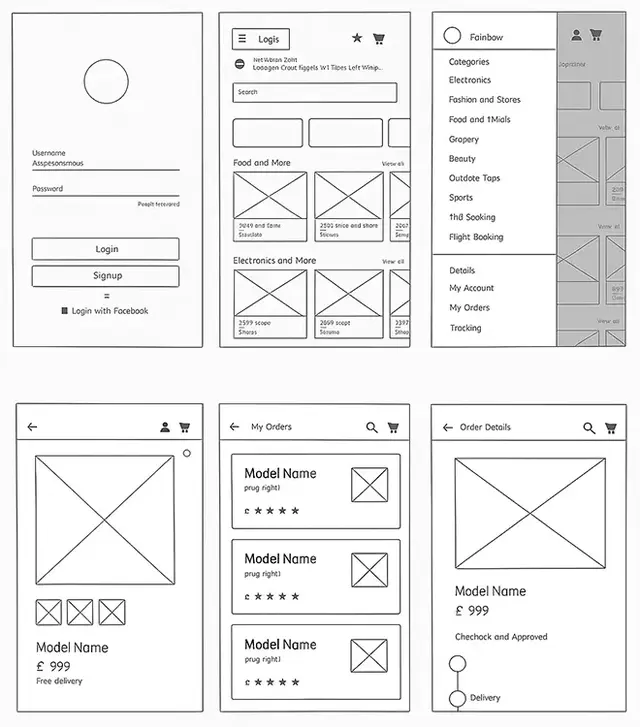
Mapping page layouts and building clickable prototypes to validate ideas early, before time is spent on full build. - Information Architecture
Organising pages and content in a logical structure, so people can find what they need quickly and move through the site confidently. - Visual Interface Design
Creating a consistent look and feel across typography, spacing, colour palettes, and component styles to support readability and brand recognition. - Interaction Design
Designing the micro-interactions (buttons, menus, hover states, animations, and feedback) that make navigation feel natural and responsive. - Usability Testing
Testing with real users to identify confusion, drop-off points, and unnecessary steps, then refining the experience based on what you learn. - Accessibility Compliance
Building experiences that are usable for people of all abilities by following WCAG guidance, including contrast, keyboard navigation, and clear labels. - Conversion Rate Optimisation (CRO)
Improving key journeys such as enquiries, bookings, and purchases by strengthening calls to action, reducing friction, and supporting decision-making.
In short, UX and UI design help create digital experiences that look professional and perform well, turning user satisfaction into stronger loyalty, more enquiries, and better conversion rates.
Why UX & UI Design Matters
First impressions online happen almost instantly - and if the experience feels awkward or unclear, trust can disappear before your message lands.
When Peterborough organisations invest in professional UX and UI design, the benefits are practical and measurable:
- Stronger brand credibility by presenting a polished, consistent experience from the first interaction
- Higher user satisfaction through clear navigation, predictable layouts, and reduced friction
- Improved conversion rates by removing obstacles in key journeys such as enquiries, bookings, or checkouts
- Increased customer loyalty by meeting expectations across devices and making repeat visits effortless
- Reduced bounce rates with faster, clearer pages that help users find what they need quickly
- Greater SEO performance supported by better mobile usability and stronger Core Web Vitals signals
“Users form design impressions in as little as 50 milliseconds, and those first impressions strongly influence perceptions of credibility and usability.”
In a digital-first economy, UX and UI design is not a nice-to-have - it is a key part of building trust, improving engagement, and supporting long-term growth.
Transparent Pricing
We offer flexible web design packages tailored to your needs and goals. Whether you need a full website redesign, a brand-new build, or ongoing design support, we’ll provide a clear, upfront proposal with no hidden costs. Get in touch for a personalised quote.
Our UX & UI Design Services
We provide a complete range of UX and UI design services to help Peterborough businesses improve digital journeys and turn more visits into enquiries and sales.
Mobile-First UX Planning
We design for smaller screens first, then scale up - ensuring your experience works smoothly on mobiles, tablets, and desktop, in line with how people browse and buy today.
Tailored UI Design Systems
We create consistent design systems that match your brand, covering typography, colour use, spacing, and reusable components - making your interface clearer for users and easier to maintain long-term.
User Personas & Journey Mapping
We research your audience and build practical personas and journey maps so the structure, content, and calls to action reflect how real people in your market make decisions.
Usability Testing & Iteration
We test layouts and flows to uncover confusion, friction, and drop-off points, then refine the experience in cycles until journeys feel simple and intuitive.
Accessibility & Inclusive Design
We design with accessibility in mind from the start, aligning with WCAG guidance so your platform is usable for more people without compromising on visual quality.
Wireframing & Prototyping
We build wireframes and clickable prototypes early, helping stakeholders align quickly, reducing rework, and supporting faster, more predictable development.
UX Analytics & Heatmap Insights
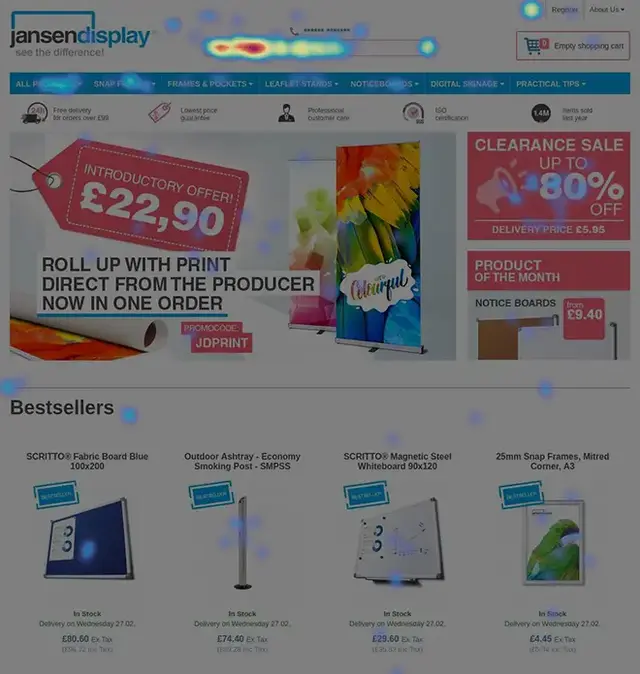
After launch, we review real behaviour through analytics and heatmaps to spot where users hesitate, miss key content, or abandon - then apply targeted improvements.
Conversion Rate Optimisation (CRO)
We use evidence-led UX improvements and clean UI design to strengthen calls to action, reduce unnecessary steps, and improve conversion performance across key pages.
Our UX & UI design services help turn websites and applications into user-friendly digital products that look professional, feel effortless to use, and consistently deliver better outcomes.
Our work
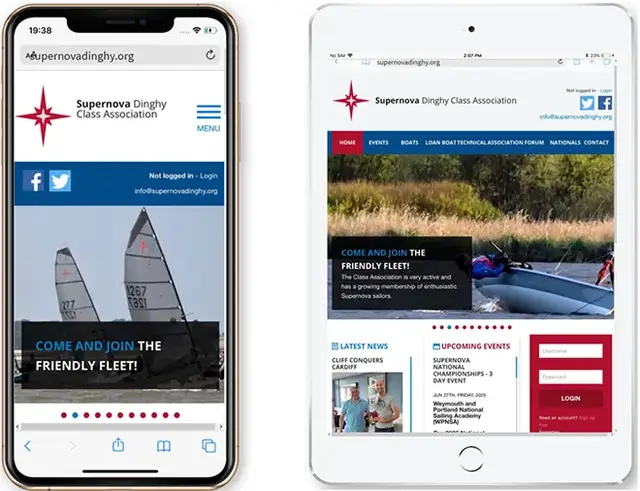
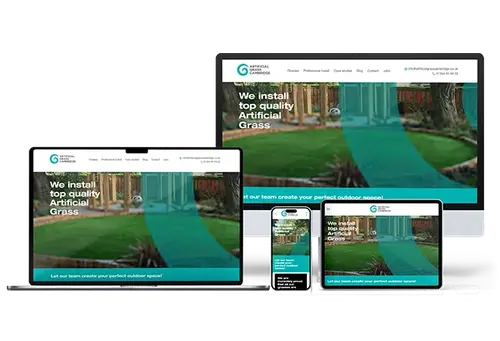
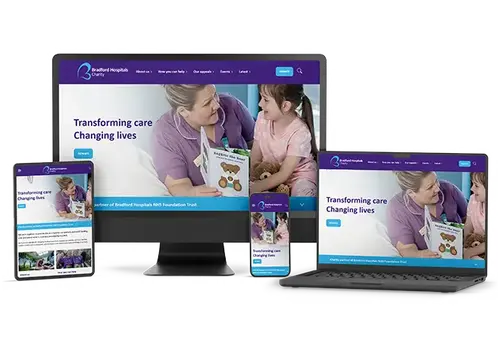
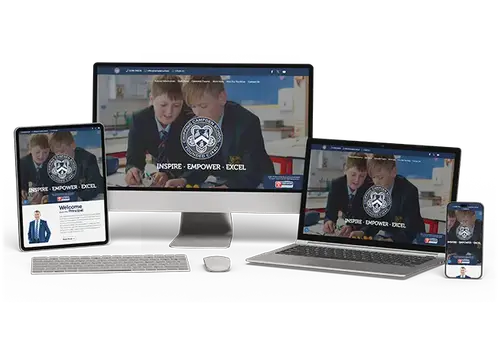
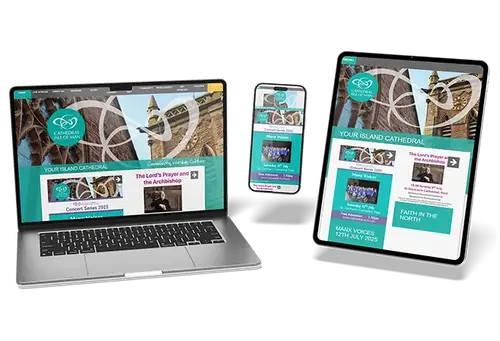
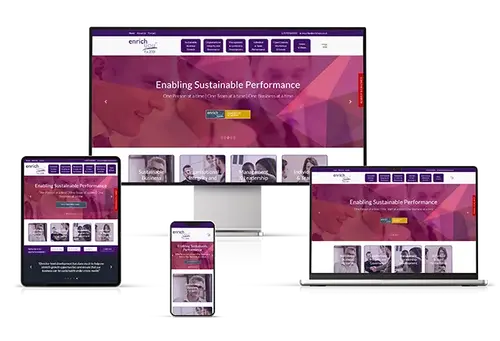
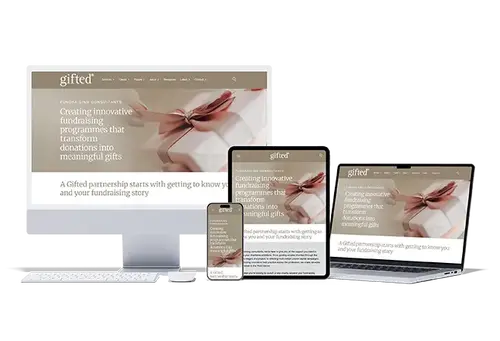
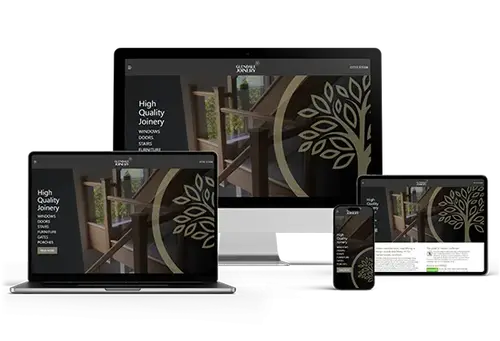
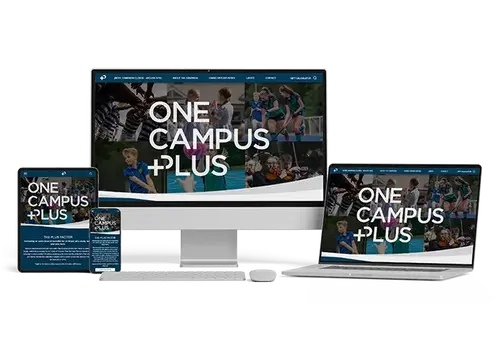
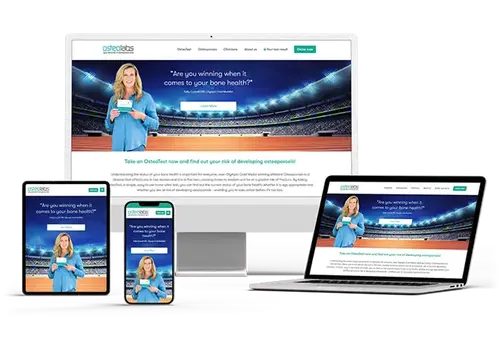
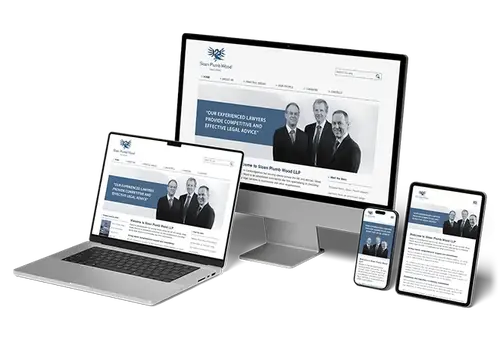
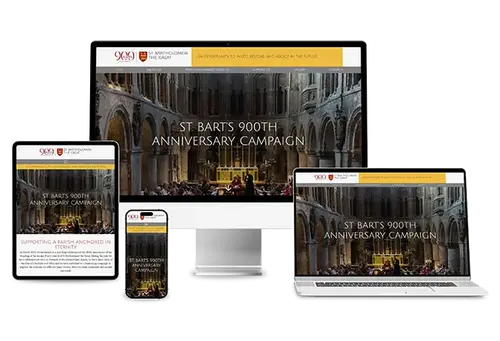
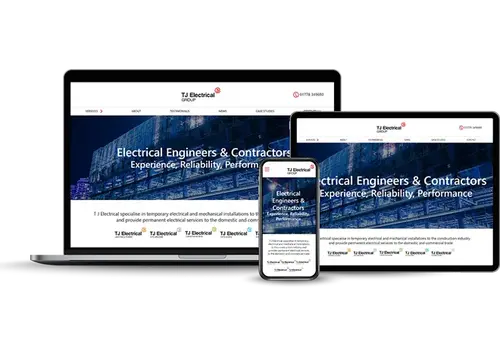
A selection of some of the websites we have designed, programmed, maintain or currently host:














UX & UI Design Process
Our UX & UI design approach follows a clear, proven structure, helping Peterborough organisations balance creativity with commercial goals at every step.
1. Discovery & Research
We start by understanding your objectives, your customers, and your competitive landscape. This includes reviewing user behaviour, analysing competitors, and defining what success looks like - so design decisions are based on evidence, not assumptions.
2. Wireframing & Journey Mapping
Next, we map out key journeys such as enquiries, bookings, or purchases, then build wireframes to shape layout, navigation, and content hierarchy. This stage focuses on clarity and usability, ensuring the experience supports conversion from the ground up.
3. UI Design & Prototyping
Once structure is agreed, we create brand-aligned interface designs and build high-fidelity prototypes. This allows stakeholders to click through key screens, provide feedback early, and confirm the look and feel before development begins.
4. Collaboration With Development
We work closely with your development team to ensure a smooth handover, clear design documentation, and accurate implementation. Our goal is a build that matches the design intent, performs well, and remains maintainable.
5. Testing & Refinement
We test journeys to uncover friction and confusion, then refine layouts, messaging, and interactions. Improvements are guided by usability feedback and performance data, helping your platform feel simpler and more intuitive.
6. Launch & Ongoing Optimisation
After launch, we review real user behaviour and continue improving performance through analysis and iterative updates. Where appropriate, this can include A/B testing and ongoing CRO work to keep results moving in the right direction.
Every stage is collaborative and transparent, helping you launch a digital experience that meets user expectations and supports measurable business outcomes.

Recent Results
Our UX & UI design services in Peterborough focus on building clear, high-performing digital experiences that keep users engaged and support stronger results across websites, platforms, and ecommerce journeys.
Client: Fintech Platform – Peterborough
Problem: Over-complicated navigation, low feature adoption, weak onboarding completion.
Solution: Rebuilt onboarding flows, simplified key journeys, refreshed UI components for consistency and speed.
Result: Active user engagement increased by 64%, onboarding completion improved by 79%.
Client: Ecommerce Retailer – Peterborough
Problem: High checkout drop-off on mobile, unclear delivery and returns messaging.
Solution: Streamlined checkout steps, improved mobile UI hierarchy, added trust cues and clearer purchase reassurance.
Result: Checkout abandonment reduced by 38%, mobile revenue increased by 52%.
Client: Training Platform – Cambridgeshire
Problem: Low repeat usage, users struggling to locate content quickly.
Solution: Improved information architecture, enhanced search and filtering, introduced clearer progress cues and navigation patterns.
Result: Returning user sessions increased by 33%, satisfaction scores improved significantly.
These results show what focused UX and UI work can achieve - simplifying complex workflows, strengthening key touchpoints, and improving performance where it matters. Whether you are launching something new or refining an existing platform, we help turn usability issues into measurable gains.
Tools & Technology We Use for UX & UI Design
We use modern UX and UI tools to design digital experiences that feel intuitive, look professional, and stay adaptable as your Peterborough business grows.
Our toolkit includes:
- Figma, Adobe XD, and Sketch: Industry-standard platforms for wireframing, interface design, and clickable prototypes.
- Maze and Hotjar: Testing and behavioural insight tools that help validate journeys and uncover where users hesitate or drop off.
- InVision and Marvel: Prototyping tools that support stakeholder alignment and faster feedback cycles before development begins.
- Zeplin and Avocode: Collaboration tools that help translate designs into build-ready specifications for accurate implementation.
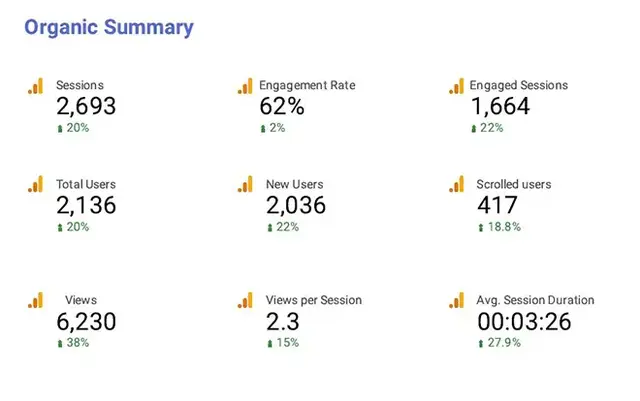
- Google Analytics 4 and Mixpanel: Post-launch tracking and product analytics to measure engagement and identify opportunities for improvement.
- Accessibility Tooling Aligned to WCAG: Helping ensure key pages and components remain usable for people of all abilities.
By combining the right tools with a practical, insight-led design process, we create experiences that engage users, support conversions, and perform reliably over time.
Industries We Support
Great UX and UI design is about more than how a website looks - it influences how people feel, how easily they can get things done, and whether they choose to enquire or buy. Our Peterborough UX and UI design services focus on building clear, user-led experiences that turn everyday digital interactions into measurable business outcomes.
From simplifying navigation for SaaS platforms to refining ecommerce layouts that reduce drop-off and increase completed checkouts, we create interfaces that are both polished and purposeful. Each decision is shaped by research, behavioural insight, and the specific goals of your brand.
Whether you are launching something new or fixing a site that is not performing as it should, our tailored UX and UI design work helps you connect with your audience, remove friction, and improve engagement across every device. We design with intent - creating smooth, satisfying journeys that support real results.
-
Healthcare & Medical
-
Food & Beverage
-
Retail & E-commerce
-
SaaS & Technology Providers
-
Hospitality & Leisure
-
Legal & Financial Services
-
Public Sector & Government
-
Nonprofits & Charities
-
App & Software Developers
-
Travel, Tourism & Attractions
-
Property & Real Estate
-
Wellness, Fitness & Lifestyle
Local UX & UI Design Services in Peterborough
We proudly support organisations across Peterborough with user-centred design that follows best practice while reflecting the expectations of local audiences.
- Boost Local Engagement: Shape journeys around how people in Peterborough browse, compare, and contact businesses online.
- Support Local SEO Performance: Strengthen on-page experience signals with clear structure, mobile usability, and content journeys that match local search intent.
- Community-Focused Trust Signals: Highlight reviews, case studies, accreditations, and local relationships in a way that feels genuine and reassuring to prospective customers.
Our Peterborough UX and UI design services help businesses grow by creating digital experiences that feel relevant, trustworthy, and easy to use for local customers.
Benefits of UX & UI Design
UX and UI design set the standard for how your website or app feels to use - making it easier for people to find what they need, trust what they see, and take action with confidence. For Peterborough organisations, investing in UX and UI creates long-term improvements in satisfaction, loyalty, and performance.
- Increased Conversions
Clear journeys and well-designed interfaces help more users complete key actions, whether that is an enquiry, a booking, a purchase, or a sign-up. - Higher User Satisfaction
Simple navigation, readable layouts, and predictable interactions keep users engaged and leave a positive impression of your brand. - Stronger Brand Credibility
A consistent, professional design system builds trust quickly and helps you stand out in a crowded market. - Better Mobile Performance
Mobile-first design and responsive layouts ensure your experience works properly across every screen size, from phones to large desktops. - Ongoing User Engagement
Regular UX improvements, guided by feedback and real behaviour, keep journeys smooth and help your platform perform well as needs change.
With professional UX and UI design, you create experiences that do more than meet expectations - they remove friction, build stronger connections with your audience, and support long-term growth.
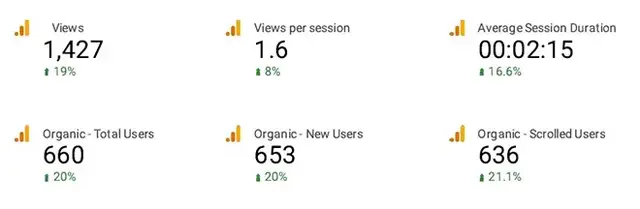
Why Choose Doublespark for UX & UI Design?
At Doublespark, we do more than design screens - we build user-first digital experiences that are practical, intuitive, and focused on measurable business results.
- Peterborough-Led Delivery: We support organisations across Peterborough and the wider area, designing with a clear understanding of local audiences and how they search, browse, and enquire online.
- Insight-Driven UX Decisions: We use research, usability testing, and performance data to shape priorities and improve outcomes based on evidence rather than assumptions.
- Clear, Collaborative Process: You get defined stages, sensible feedback cycles, and hands-on project management, keeping progress steady and stakeholders aligned.
- Continuous Optimisation: Post-launch, we review user behaviour and key journeys, applying CRO improvements and UX refinements to keep performance moving in the right direction.
Choose Doublespark for UX and UI design in Peterborough and build a digital experience that is easier to use, more convincing, and better at converting.

What Our Clients Are Saying
5-Star Google Reviews That Reflect Our Commitment to Excellence
-
2 months ago
I got Gary at DoubleSpark to overhaul my website as it wasn't performing very well. It has now been transformed and performing really well. We have been getting lots of leads from it. DoubleSpark have done a brilliant job. Thank you.
-
3 months ago
I had a great experience with Doublespark Internet Marketing. The team is knowledgeable, professional, and genuinely focused on delivering results. They took the time to understand my business needs and provided clear, effective strategies that made a noticeable difference.
-
5 months ago
I have been with Doublespark since 2012. As a Cambridge SEO company they supported the online shop and the online marketing, helping more clients find and book our services. Gary has always been willing to help with any issues on the website and has been quick to respond when I have asked for any updates or changes to be made to the website. Highly Recommended
-
8 months ago
Great company to work with, on hand with tech queries and very proactive when an very rare issue arises.
-
10 months ago
Doublespark have looked after website maintenance and hosting for osteolabs since 2021. They keep the site running smoothly, deal with updates behind the scenes, and respond quickly whenever we need support.


Website Design News, Trends and Insights Shaping Digital Experience

The Figma Web Design Process
Figma brings clarity to the parts of a website project that often cause friction. Instead of static PDFs and scattered emails, everyone works in a shared space with live designs, pinned comments, and clickable journeys.

How AI Is Redefining Web Design
AI has moved from being a back‑office helper to becoming part of the user experience itself. This long‑form guide explains how AI is influencing website design and development today, with practical examples.
FAQs About Our Peterborough UX and UI Design Services
How Do UX And UI Design Differ, And Why Do You Need Both?
UX and UI are often mentioned together because they work best as a pair, but they solve different problems. If you are investing in a new website, ecommerce store, or web application for your Peterborough business, understanding the distinction helps you make smarter decisions about scope, priorities, and outcomes.
UX Design - The Experience And The Journey
User Experience (UX) design focuses on how someone moves through your site or product to achieve a goal. That goal might be finding a service, booking an appointment, requesting a quote, comparing products, or completing a checkout. UX is concerned with clarity and momentum. It asks questions like: Can users find the right page quickly? Do the steps make sense? Are there obvious dead ends? Is the content arranged in a way that matches how people think?
UX work typically includes understanding your audience, mapping user journeys, planning the structure of pages, and defining how the navigation should work. It also considers practical details such as form length, error handling, search and filtering, and the order information is presented. For many Peterborough organisations, UX is where big wins come from because it removes friction from the paths that lead to enquiries and sales.
UI Design - The Interface And The Visual Language
User Interface (UI) design is about the look and feel of what users see and interact with. This includes typography, spacing, colour use, buttons, menus, icons, cards, and form fields. UI design makes the product feel consistent and trustworthy, and it supports usability by making key elements obvious and readable.
Good UI is not decoration. It is a visual system that helps users scan, understand, and act. For example, a checkout page with clear hierarchy, strong contrast, and predictable controls can feel simpler even if the underlying steps are the same. UI also plays a big role in how modern and credible your brand appears, which matters when users are comparing suppliers locally.
How UX And UI Work Together
UX sets the route. UI builds the road signs. A website can look impressive but still perform badly if journeys are confusing. Equally, a well-planned journey can underperform if the interface is cluttered, inconsistent, or hard to read on mobile. When both disciplines are handled together, you get experiences that feel natural, guide users confidently, and reduce the effort required to complete key actions.
In practical terms, we treat UX and UI as one joined process. We plan the structure and flows first, validate them, then design an interface that makes those flows clear and comfortable to use across devices. This approach is especially important for ecommerce and service websites where small points of confusion can quietly reduce conversions.
UX and UI are different disciplines, but they are most effective when they are designed together - creating websites and applications that feel easy to use, look professional, and support real business results.
What Makes UX And UI Design So Important For Peterborough Businesses?
Whether you serve customers across Peterborough or sell nationwide, your website is often the first serious interaction someone has with your business. UX and UI design shape how quickly that visitor understands what you do, whether they trust you, and how easily they can take the next step.
Trust Is Built Through Clarity
People make quick judgements online. If pages feel disorganised, navigation is unclear, or content is hard to scan on a phone, users can assume the business behind it is the same. A clear interface with consistent styling and sensible layout helps establish credibility straight away. This matters for local service providers, trades, professional firms, and retailers alike, where users may compare several options before contacting anyone.
Better Experiences Reduce Lost Enquiries And Sales
Most underperforming websites do not fail because the offer is bad. They fail because the journey is difficult. Common issues include unclear calls to action, forms that feel like hard work, confusing menus, hidden contact details, and ecommerce pages that do not answer obvious questions. UX and UI improvements remove these barriers so more visitors complete the actions that matter.
For ecommerce, the impact can be immediate: clearer product pages, improved filtering, more reassuring checkout steps, and better mobile usability. For lead generation sites, the gains often come from simpler navigation, clearer service pages, stronger page structure, and better use of layout to guide attention.
Mobile Use Is The Default, Not The Exception
Many Peterborough audiences will view your site on a phone first. If key information is buried, buttons are too small, or layouts feel cramped, users will not persevere. Mobile-first UX and UI make sure the experience is comfortable and readable on smaller screens, then scales up cleanly for desktop users.
Consistency Makes Websites Easier To Use And Easier To Maintain
Design consistency is not just about appearance. When buttons, headings, forms, and page layouts follow predictable patterns, users learn how your site works quickly. It also helps your team make changes over time without the site becoming messy or inconsistent. This is particularly valuable for growing organisations that add new services, new products, or new content regularly.
Strong UX and UI design protects your first impression, makes it easier for users to take action, and helps your website or store perform better day after day.
What Happens During A UX And UI Design Project?
A UX and UI project should feel structured and practical, not vague or purely visual. For Peterborough organisations, the goal is simple: build a website or product that users understand quickly and that supports clear outcomes like enquiries, bookings, or purchases.
Discovery And Goals
We start by understanding what success looks like for you. That includes the actions you want users to take, the audiences you serve, and any constraints such as platform limitations, integrations, or content requirements. If you have existing analytics, user feedback, or customer support themes, we bring that into the process early. We also review competitors and comparable sites to identify opportunities to do things better, not simply copy trends.
Understanding Users And Journeys
Next, we define how different users move through the experience. For a service website, that might include first-time visitors looking for reassurance, return visitors comparing options, and high-intent visitors ready to enquire. For ecommerce, it usually includes browsing, searching, filtering, product evaluation, adding to basket, and checkout. This stage helps prioritise the most important journeys and prevents design work drifting away from what matters.
Wireframes And Structure
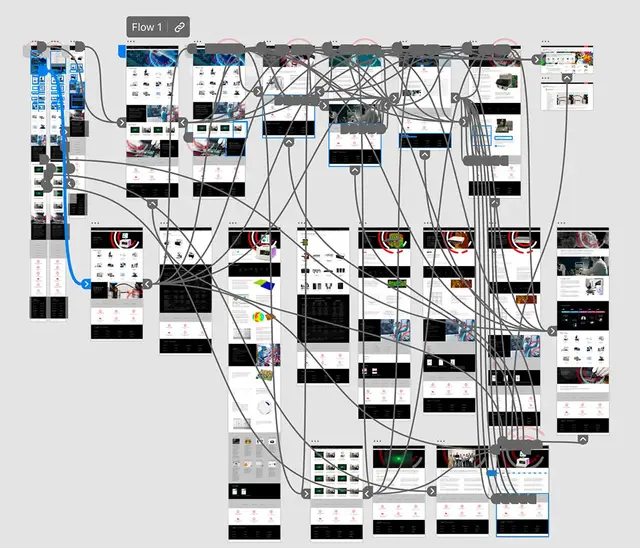
Wireframes map the layout and hierarchy without getting distracted by visual styling. We use them to plan navigation, page sections, content order, and calls to action. This is where we remove confusion, shorten unnecessary steps, and make sure each page has a clear purpose. It is also where information architecture is decided, including menus, category structures, and how content should be grouped.
Interface Design And Prototypes
Once structure is agreed, we design the interface. This includes typography, spacing, colour use, component styling, and interaction patterns. We build prototypes to show how key screens connect and how the experience should feel. Prototypes make feedback more useful because stakeholders can click through flows rather than reviewing static images in isolation.
Handover And Build Support
Design should be buildable. We provide clear specifications and work closely with developers to ensure the final product matches the intent. That includes guidance on responsive behaviour, hover and focus states, and component variations. If the build is handled by your team, we support them with documentation so the result is consistent and accurate.
A well-run UX and UI project moves from research to structure to interface, with clear decisions at each stage - keeping the work focused on outcomes, not opinions.
How Long Does A Typical UX And UI Design Project Take?
Timeframes vary because UX and UI work can range from improving a handful of key templates to designing a full ecommerce store or a complex web platform. The best way to think about timing is to match the process to the amount of change you need and the number of journeys involved.
What Drives The Timeline
The biggest factors are scope and complexity. A small project might involve redesigning a homepage, a service page template, and a contact flow to improve clarity and usability. A larger project could include full information architecture, multiple service sections, a content hub, and a set of conversion landing pages. Ecommerce projects often take longer because they involve product listing behaviours, filtering logic, product page layouts, basket interactions, and checkout design across devices.
Research depth also affects timing. If you need workshops, persona work, journey mapping, and multiple rounds of usability testing, that adds time but usually improves confidence and reduces rework later. Stakeholder availability also matters. Faster projects tend to happen when feedback is consolidated and decisions are made promptly, rather than drifting over many weeks.
Typical Ranges
As a guide, a focused UX and UI refresh for an existing website can often be completed in around 4 to 6 weeks, depending on the number of templates and how quickly feedback is returned. A larger redesign that includes new structure, new page templates, and more extensive prototyping commonly runs 8 to 12 weeks. More complex platform work can extend beyond that, particularly if the product has many user roles or a lot of conditional logic.
How We Keep Projects Moving
We plan milestones so you always know what is being designed and what decisions are needed. We also design in stages, tackling the most important journeys first. This helps keep work aligned with outcomes and reduces the risk of spending time perfecting low-priority pages while high-impact issues remain unresolved.
Where speed matters, we can create an initial prototype early so stakeholders can react to real flows, then refine detail. This approach often shortens the overall cycle because it prevents late-stage surprises.
The right timeline is the one that allows proper planning, clear feedback, and thorough validation - resulting in a design that is ready to build and ready to perform.
How Much Do UX And UI Design Services Cost?
UX and UI pricing is shaped by the work involved, not by a fixed list of pages. Two websites can have the same number of pages but very different levels of complexity depending on how many user journeys they contain, how much redesign is required, and how much validation is needed before build.
What Affects The Cost
Scope is the first driver. A light-touch improvement project might focus on a small set of high-traffic pages and a conversion path such as contact or checkout. A full redesign may include new navigation, new information architecture, and design for many templates and components. Ecommerce work can include catalogue structure, filtering behaviour, product page variations, basket and checkout, account areas, and mobile behaviours, all of which increase effort.
Research and testing also influence cost. If you want workshops, persona building, journey mapping, and usability testing across multiple rounds, that adds time but improves confidence. Brand work can be another factor. If you already have strong brand guidelines, UI design can move faster. If the visual identity needs to be refreshed or formalised into a design system, that becomes a separate chunk of work.
Clear Deliverables And Transparent Quotes
We quote based on what you need to achieve and what is required to get there. That means breaking projects into phases such as discovery, UX planning, wireframes, UI design, prototypes, and handover. It also means agreeing what success looks like, so you are not paying for unnecessary complexity.
For Peterborough businesses, the right investment is usually the one that targets the pages and journeys that influence revenue and lead volume the most. Improving those first often delivers the strongest return because it reduces wasted visits and improves the experience for high-intent users.
Value Beyond The Visuals
Professional UX and UI work is not just a new look. It creates an experience that is easier to navigate, easier to maintain, and less likely to need rework during development. That can save time in build and reduce future fixes. It also helps ensure the site supports what users actually need, which is where results come from.
Pricing depends on scope, complexity, and the depth of research and testing - and the goal is always to deliver designs that are ready to build and ready to perform.
What Deliverables Will I Receive From A UX And UI Design Project?
A good design project does not end with a handful of screenshots. The deliverables should give you clarity, reduce build risk, and make it easy for developers to implement the design accurately. For Peterborough organisations, that usually means a blend of strategy, design assets, and clear documentation.
Strategy And Planning Outputs
Most projects begin with a set of findings that explain what we learned and what we recommend. This might include notes from discovery sessions, insights from user behaviour, and a summary of priority journeys. Where relevant, we produce personas and journey maps to show how different users move through the site and what they need at each stage. We also define information architecture, including navigation structure and page hierarchy.
Wireframes And User Flows
Wireframes provide the blueprint for page layouts and content structure. They show hierarchy, placement of calls to action, and the intended order of information. User flows and diagrams explain how pages connect and how key tasks should be completed, such as making a purchase, requesting a quote, or booking an appointment. This helps stakeholders understand the logic before visual styling is applied.
High-Fidelity UI Designs
You will receive polished interface designs for key templates or screens, typically showing desktop and mobile versions. These designs include typography, spacing, components, and interaction states where needed. For ecommerce, we often design key catalogue templates such as product listing, product detail, basket, and checkout, with attention to mobile usability.
Prototypes And Validation Assets
Interactive prototypes allow you to click through journeys and validate decisions. They are useful for stakeholder alignment and for testing, because people can experience the flow rather than imagining it. Where usability testing is included, we provide a clear summary of findings and recommended changes.
Design Systems And Handover Documentation
If the project requires consistency across many templates, we provide a design system or style guide covering components, spacing, typography rules, colour usage, and interaction behaviour. We also provide handover details so developers can implement accurately, including specifications for responsive behaviour and component variations.
Deliverables are designed to make the build smoother and the outcome stronger - giving you clear plans, polished designs, and the documentation needed for accurate implementation.
Does UX And UI Design Affect Search Visibility And Wider Online Performance?
UX and UI design are primarily about usability and conversion, but they also influence how well a website performs technically and how users behave once they land on your pages. Those factors can affect visibility and overall performance, especially for local Peterborough businesses competing in busy service categories.
Site Structure And Findability
A well-structured site makes it easier for users to find information, but it also makes the site easier to organise and maintain. Clear navigation, logical page hierarchy, and consistent internal linking help ensure important pages are not buried. When users can reach key pages quickly, they are more likely to engage with your content rather than bouncing back to search results.
Speed, Mobile Usability, And Experience Signals
Modern websites are expected to load quickly and behave reliably on mobile. Good UX and UI decisions often support this by reducing clutter, using components consistently, and designing layouts that do not rely on heavy or unnecessary assets. When pages load faster and remain stable while they render, users stay longer and interact more confidently.
Better Landing Experiences Improve Outcomes
If you run promotions, email campaigns, or social activity that sends visitors to your website, the page experience determines whether that traffic turns into enquiries or sales. Clear page structure, strong hierarchy, and obvious calls to action help users understand what to do next. Even small UI refinements can improve the performance of landing pages by reducing confusion and keeping users focused on a single task.
Content Presentation Matters
UI design affects how readable your content is, especially on mobile. If headings, spacing, and typography are inconsistent, users will struggle to scan and absorb information. Clean design improves comprehension, which helps users make decisions. For service pages, that might mean clearer comparisons and better presentation of proof points. For ecommerce, it often means product information that is easier to digest and trust.
While UX and UI design are centred on users, they also support stronger technical performance, clearer site structure, and better visitor behaviour - all of which contribute to improved results online.
Can UX And UI Improvements Increase Enquiries And Online Sales?
Yes. In many cases, UX and UI improvements are the most direct way to increase conversions because they remove friction from the moments where users make decisions. For Peterborough businesses, this can mean more contact form completions, more phone calls, more quote requests, or more completed purchases.
Reducing Friction In Key Journeys
Most conversion issues come down to uncertainty and effort. Uncertainty happens when users cannot find answers to obvious questions, such as pricing, delivery, availability, or next steps. Effort happens when forms are too long, navigation is unclear, or users have to hunt for information. UX design addresses both by simplifying the path and placing the right information at the right time.
UI Clarity Helps Users Act
UI design supports conversions by making key elements obvious. Clear button styling, readable typography, sensible spacing, and strong hierarchy reduce cognitive load. When a page is easy to scan, users make decisions faster. Consistent interface patterns also build confidence because users feel the site is reliable and well put together.
Ecommerce Conversion Examples
For ecommerce, conversion gains often come from clearer product listing pages, stronger filtering, better product detail layout, and a checkout that feels short and reassuring. Trust cues such as clear delivery information, returns messaging, and secure payment indicators are also part of the experience. Small improvements such as showing progress through checkout steps or reducing form fields can have an outsized impact.
Lead Generation Conversion Examples
For service businesses, common improvements include clearer service page structure, stronger calls to action, more visible contact routes, and forms designed for mobile completion. We also look at how users move between pages, whether supporting content is helping or distracting, and whether key proof points are visible at the moment they matter.
Evidence-Led Iteration
Where data is available, we use behaviour insights such as page drop-off, click patterns, and user testing feedback to identify what is holding users back. This makes improvements targeted rather than speculative.
Improving UX and UI makes it easier for users to take action - which is why it so often leads to higher enquiry rates, stronger ecommerce performance, and better overall conversion results.
How Do You Design For Accessibility And Inclusive Use?
Accessibility is a key part of quality web design. It ensures your website or application can be used by as many people as possible, including those who rely on assistive technologies or have different ways of interacting with content. For Peterborough organisations, accessibility is also a practical way to improve usability for everyone, not just a small segment of users.
Accessibility Starts With Structure
Good accessibility begins with clear structure: logical headings, predictable navigation, and forms that are properly labelled. When pages are organised well, users can understand where they are and what to do next. This benefits screen reader users, keyboard-only users, and mobile users alike.
Visual Design Choices Matter
UI decisions can either support or block accessibility. We pay attention to contrast, text sizing, spacing, and focus states so interactive elements are easy to identify. We also avoid relying on colour alone to communicate meaning. For example, error messages should not be indicated only by red text, but also by clear language and appropriate visual cues.
Keyboard Navigation And Interaction Patterns
Many users navigate without a mouse. Accessible design ensures users can move through menus, forms, and interactive components using a keyboard. It also ensures focus indicators are visible and the tab order follows a sensible flow. Interaction patterns should be consistent so users are not forced to relearn how controls work from page to page.
Testing And Validation
We use a mix of automated checks and manual review to identify issues early. Automated tools can catch common problems, but real accessibility comes from understanding how users interact with components and whether the experience is usable in practice. Where appropriate, we test key templates and flows and provide recommendations for improving compliance and comfort.
Accessible design is better design - it improves clarity, increases usability, and helps ensure your website works for more people across more devices and situations.
Why Choose Doublespark For UX And UI Design In Peterborough?
Choosing a design partner is not just about taste. It is about process, clarity, and whether the work will translate into a better website or product in the real world. For Peterborough businesses, you need a team that understands how to balance user needs with practical build considerations and commercial goals.
Design That Is Built For Real Outcomes
We focus on the journeys that matter. That means designing experiences that help users find answers, trust your business, and take action. We do not design pages in isolation. We design connected flows, from entry point to completion, whether that completion is a purchase, an enquiry, or a booking.
Structured Delivery And Clear Collaboration
Our process is straightforward: discovery, UX planning, wireframes, interface design, prototypes, and handover. You get clear milestones and practical feedback stages so decisions are made at the right time. This keeps projects moving and prevents late changes that disrupt build schedules.
Build-Friendly Design And Consistent Systems
We design with implementation in mind. That includes reusable components, consistent patterns, and documentation that supports accurate build. For ecommerce and complex sites, this approach reduces future maintenance headaches because changes can be made without breaking consistency.
Local Understanding Without Generic Templates
Peterborough audiences are diverse, spanning local services, manufacturing, logistics, education, retail, and professional sectors. We consider how your audience searches for information, what proof points they need, and how to present your offer clearly. The result is a design that feels relevant and purposeful rather than templated.
If you want UX and UI design that is clear, user-led, and ready to build, Doublespark provides a structured approach that helps Peterborough organisations create digital experiences that perform.
More Of Our Website Services
Serious about growth? Our SEO, PPC, and web services combine proven expertise with modern AI-aware optimisation. Explore what we can do for your business.