Keyword Research That
Targets the Searches
Worth Winning in
Peterborough
A good website still underperforms if the keywords behind it are guesswork. We find how Peterborough customers really search, judge the intent, and prioritise the terms most likely to bring enquiries.
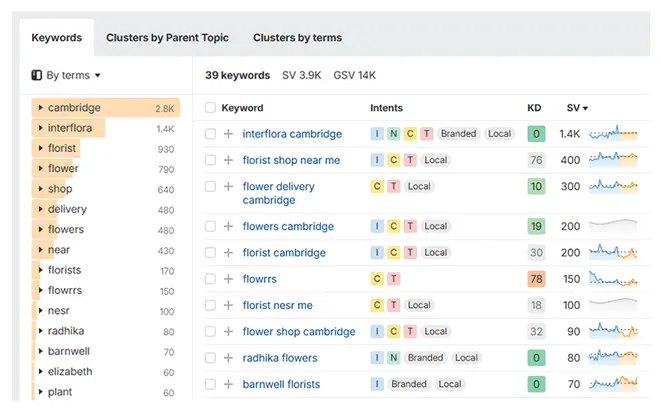
Turn Search Demand Into Leads With Detailed Keyword Research
Tell us the services and areas you most want to be found for, and we'll map the high-intent searches worth targeting and where each one should sit on your site. It's delivered by the same senior team behind our work as an SEO Company Peterborough, so your keyword plan feeds straight into content and rankings that grow.
Explore Key Sections of This Page
What is Keyword Research?
Keyword research is how we identify the exact terms people use when they search for your services online, then turn that language into a plan your website can realistically rank for.
Instead of relying on assumptions, we look at how customers in Peterborough and the surrounding area phrase their searches, what they expect to find, and which topics are worth targeting based on value and competitiveness.
What A Good Keyword Strategy Covers
- Search Demand - Estimating interest levels and filtering out keywords that will not deliver meaningful enquiries
- Intent Signals - Separating research terms from high-intent searches where people are ready to call, visit, or buy
- Ranking Realism - Assessing how difficult each opportunity is and what it would take to compete
- Long-Tail Opportunities - Finding specific phrases that bring in more qualified traffic with clearer needs
- Competitor Coverage - Reviewing the businesses currently winning visibility and spotting angles they have missed
- Content Opportunities - Highlighting gaps where your site can answer questions that are not being served well
- Results Page Features - Identifying routes into map results, rich snippets, FAQs, and other enhanced placements
Why Keyword Research Sits At The Heart Of SEO
Every strong SEO campaign starts with a clear picture of what your audience is searching for and why. Keyword research guides what you publish, how you structure pages, which topics you prioritise, and how you connect content to commercial outcomes. It also helps you avoid wasting time on terms that look attractive but rarely convert.
When you base your SEO on real search behaviour, you make smarter decisions, build content that matches intent, and improve your chances of winning steady, high-quality traffic from Peterborough and across the UK.
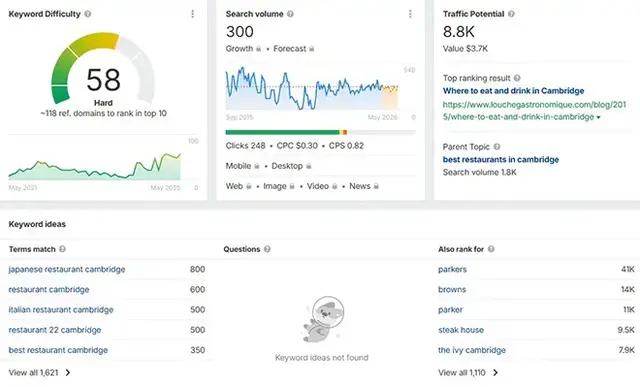
Why Keyword Research Matters
If you are not working from accurate keyword data, SEO becomes trial and error.
A clear keyword strategy gives your content direction, helps you match what people actually want, and improves the chances of turning visits into enquiries and sales in Peterborough.
- Stronger visibility for the searches that matter to your business
- More relevant visitors because pages match real intent, not assumptions
- Better conversion rates by targeting terms used by people closer to a decision
- Clearer content planning based on genuine demand and practical priorities
- Less wasted effort by avoiding irrelevant topics and unrealistic, ultra-competitive keywords
“Doing keyword research and understanding where your blog or website sweet spot is — that’s what gives you rankability.”
When your keyword choices are evidence-led, your SEO becomes more focused, more efficient, and far easier to measure.
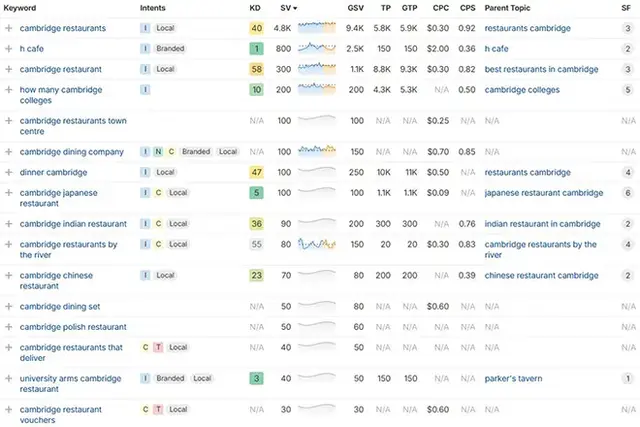
Our Keyword Research Services
We deliver a full keyword research and planning service that pinpoints what to target, where to use it, and how to compete for visibility in Peterborough and across the UK.
Keyword Audit And Opportunity Review
We assess your existing keyword footprint to spot what is already working, where rankings are stalling, and which high-value searches you are currently missing.
Intent-Led Page Targeting
We match keywords to intent so each page serves a clear purpose - awareness terms for discovery, comparison searches for consideration, and high-intent phrases for enquiries and sales.
Long-Tail And Local Phrase Discovery
We uncover specific searches your competitors often ignore, including service-plus-location variations and niche questions that bring in more qualified visitors.
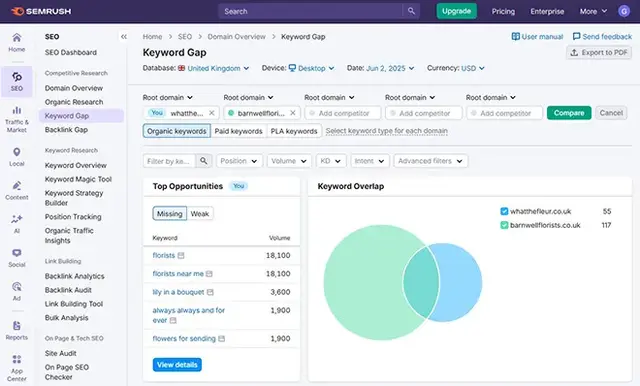
Competitor Keyword Benchmarking
We analyse businesses competing for the same searches in your space, identify what is driving their traffic, and isolate realistic gaps where you can win ground.
Keyword Grouping And Topic Planning
We cluster related terms into themes so your content is structured around topics, not single keywords, supporting better internal linking and stronger relevance across key services.
National And Regional Targeting
If you serve customers beyond Peterborough, we build a keyword set that reflects wider UK demand while protecting local relevance, avoiding overlap and duplication across pages.
Content Gap Analysis
We compare your site against demand and competitor coverage to highlight missing pages, missing sections, and unanswered questions that are holding back organic growth.
PPC Keyword Alignment
Where paid search is part of the mix, we use SEO insights to shape ad group themes and landing page focus, prioritising commercial intent and reducing wasted spend.
SEO Content Roadmap
We turn research into an actionable plan for landing pages, supporting content, and ongoing optimisation, prioritised by impact and mapped to the customer journey.
Everything we produce is designed to be usable - clear targets, clear page recommendations, and a strategy that helps you attract the right visitors and turn them into measurable outcomes over the long term.
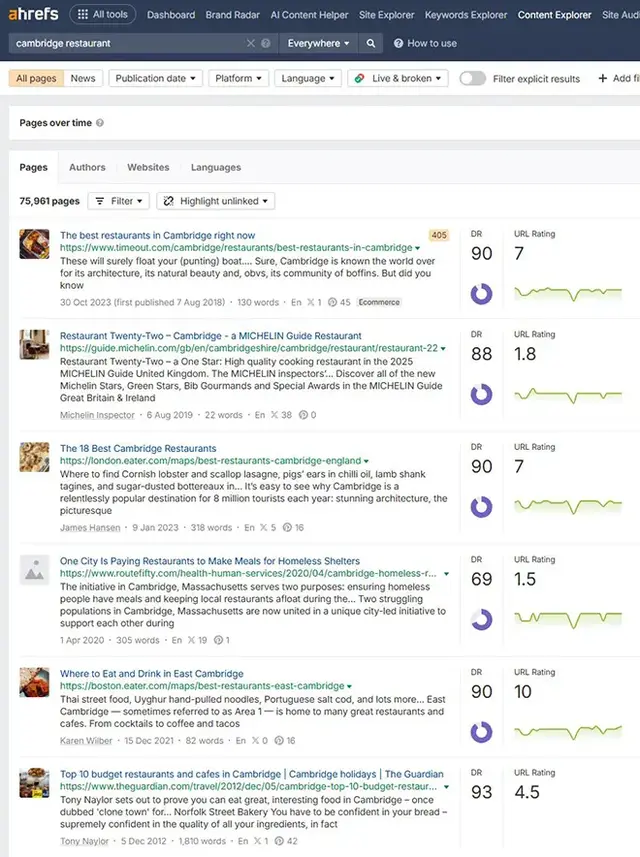
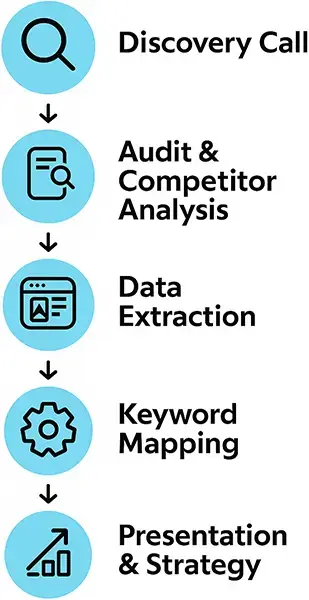
Our Keyword Research Process
Our process is designed to produce keyword insights you can actually use, with clear priorities, page targets, and a practical plan for growth in Peterborough and beyond.
-
Discovery And Goal Setting
We start by getting a clear view of what success looks like for your business, who you want to attract, what you currently rank for, and which services or products matter most commercially.
-
Site Review And Competitor Benchmarking
We assess your current visibility and content coverage, then benchmark against competitors that are winning the searches you care about, highlighting gaps, overlap, and quick wins.
-
Keyword Dataset Build
We pull keyword data from multiple sources to capture demand, seasonality, competitiveness, and results page features, then filter it down to the terms most likely to deliver meaningful outcomes.
-
Intent-Led Keyword Mapping
We map selected terms to the right pages based on intent, spotting where a page needs strengthening, where two pages are competing, and where new content would unlock additional traffic.
-
Report, Priorities, And Next Steps
You receive a structured set of recommendations that show what to target, why it matters, and what to do next across SEO, content, and PPC if relevant.
From Insight To Implementation
Keyword research only delivers value when it changes what you publish and how your site is structured. The real advantage comes from understanding why someone searches in a particular way and building pages that answer that intent better than what is already ranking.
At Doublespark, we treat keyword research as the start of the work, not the end of it.
Once the research is complete, we support implementation with clear page-level guidance. That can include mapping keywords to existing landing pages, producing content briefs for new opportunities, improving titles and headings, strengthening internal linking between related topics, and refining site structure so search engines and users can find the right information quickly.
The outcome is a plan you can act on, tied to your commercial priorities rather than vanity metrics.
Whether you want to generate more enquiries from businesses around Peterborough, grow visibility across the UK, or build out new service areas, our approach ensures the research feeds directly into ongoing decision-making. It is not intended to sit in a spreadsheet unused. Done properly, keyword strategy becomes a living part of your marketing - guiding content creation, landing page improvements, and campaign focus as search demand shifts.
Put the right targets in place and your SEO has a clear direction - and we can help you turn that direction into sustained results.
Recent Results
Keyword research only matters if it translates into outcomes. Here are examples of how targeted keyword strategy has helped organisations in Peterborough and beyond generate measurable growth:
Client: Regional Law Firm - Peterborough
Problem: Weak visibility for high-intent legal searches in a crowded local market
Solution: We rebuilt the keyword set around local intent, expanded practice-area coverage, and targeted long-tail enquiries with service-led pages and supporting FAQs
Result: Organic traffic rose by 63% and the firm secured first-page positions for multiple high-value legal searches in and around Peterborough.
Client: National Ecommerce Retailer - Peterborough
Problem: Keyword targeting was inconsistent across a large catalogue, with too many categories competing for the same terms
Solution: We created a clean keyword map, grouped terms by buying intent, and restructured category content to match how customers search and compare products
Result: Non-branded organic traffic increased by 125% and over 180 priority keywords improved in position.
Client: UK SaaS Provider - Peterborough
Problem: Low traction for niche B2B searches, with limited relevance signals and weak content depth
Solution: We built an intent-led keyword framework, created topic clusters around core use cases, and produced long-form pages designed to answer decision-stage questions
Result: Search visibility improved across priority terms, leading to increased qualified traffic and a lift in demo enquiries.
If you want more visibility from the searches that drive revenue, we can uncover the keyword opportunities for your business and turn them into a plan that delivers growth in Peterborough and across the UK.
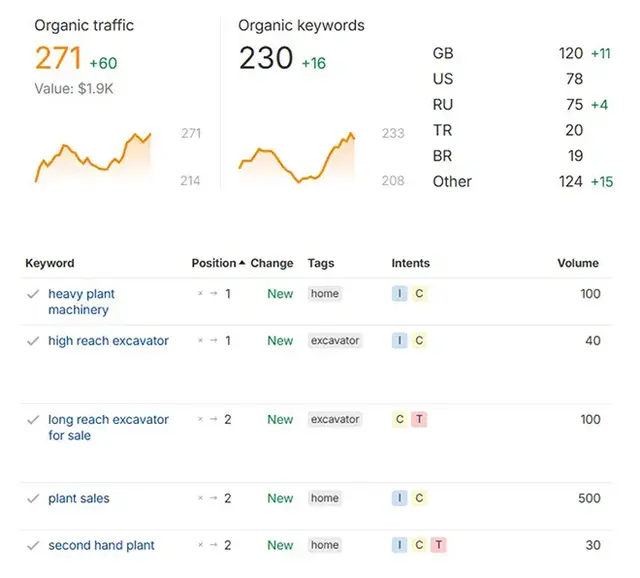
Tools & Technology We Use for Keyword Research
We use a mix of trusted SEO platforms and first-party data to uncover keyword opportunities that are genuinely worth targeting for businesses in Peterborough.
Our keyword research stack typically includes:
SEMrush, Ahrefs And Moz
Competitor benchmarking, keyword difficulty signals, SERP analysis, and gap discovery to highlight where you can win visibility.
Google Keyword Planner And Google Trends
Search demand estimates, seasonal shifts, and rising topics, helping us prioritise keywords that align with changing interest across the UK.
AnswerThePublic And AlsoAsked
Question-based research and long-tail ideas that reflect how people phrase searches, supporting content that captures early-stage and comparison intent.
Google Search Console
Insights from your own site data, including the queries already driving impressions, pages that are close to breaking through, and quick optimisation opportunities.
SurferSEO And Clearscope
Content guidance based on what is already ranking, helping shape page structure, topic coverage, and supporting terms without losing clarity for readers.
Keyword Cupid And Frase
Keyword grouping, topic planning, and research workflows that speed up content preparation and improve consistency across related pages.
Tools provide the data, but the value comes from interpretation. We combine these insights with hands-on analysis to produce a keyword strategy that improves visibility, attracts the right visitors, and supports measurable growth.
Industries We Support
Accurate keyword research is not a nice-to-have. It is the difference between targeting searches that bring enquiries and chasing terms that look impressive but do not convert.
Our keyword research service helps Peterborough businesses focus on the phrases that match real intent, so your pages attract visitors who are more likely to stay, engage, and take action. Whether you sell online, serve local customers, or market B2B services, we identify the terms that reflect how your audience searches and what they need at each stage of the journey.
By combining competitor benchmarking with local insight, we produce a keyword plan that is built to perform and built to deliver outcomes. Ranking matters, but the goal is bigger than positions. It is about making sure your business appears at the right moment for the right searches, then turning that visibility into leads, sales, and long-term growth.
-
Wellness, Fitness & Lifestyle
-
Retail & E-commerce
-
B2B Service Providers
-
SaaS & Technology Providers
-
Manufacturing & Industrial
-
Public Sector & Government
-
Property & Real Estate
-
Nonprofits & Charities
-
Environmental & Sustainability
-
Beauty & Cosmetics
-
App & Software Developers
-
Travel, Tourism & Attractions
Local Keyword Research for Peterborough
Local search is fiercely competitive, and Peterborough is no exception. With the right keyword research, your business can stand out in the results and attract people who are actively looking for what you offer.
We work closely with Peterborough organisations to understand how local customers search, then build a keyword strategy that reflects real behaviour, not assumptions.
-
Peterborough Search Demand And Seasonal Patterns
We identify local phrases, trends, and seasonal spikes, helping you publish and optimise content that matches what people are searching for across Peterborough and the surrounding areas.
-
Local Competitor Keyword Benchmarking
We review the businesses currently showing up for your priority searches, uncovering where they are strong, where they are vulnerable, and where you can gain an advantage.
-
Keyword Targeting For Location And Service Pages
We map location-led searches to the right pages so each service has a clear target, the site avoids overlap, and Google can confidently rank the most relevant page for each query.
-
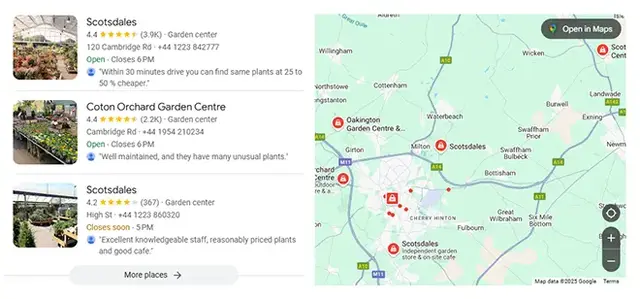
Google Business Profile Keyword Guidance
We advise on how to reflect real search language across your profile and supporting content, improving the signals that help you appear more often in local map results.
-
A Local Strategy Designed For Long-Term Growth
We prioritise keywords that bring enquiries, then build a plan that can be expanded over time, strengthening visibility and consistency rather than chasing short-term spikes.
With locally-focused keyword insight at the centre of your SEO, you can connect with Peterborough customers more reliably, drive higher-quality traffic, and turn visibility into sustained growth.
Benefits of Keyword Research
Accurate keyword research leads to measurable improvements in SEO and commercial performance:
- More Relevant Visitors: Bring in people already searching for the services or products you offer
- Stronger Content Focus: Create pages that answer real questions and match what Google is rewarding
- Improved Conversion Rates: Align each page with intent so more visits turn into enquiries, calls, or sales
- More Consistent Rankings: Build topical authority by targeting keyword themes, not isolated terms
- Better Return On Investment: Reduce wasted time and spend across content creation and PPC by targeting what is most likely to deliver results
In short, keyword research gives your SEO clear direction and better efficiency. It is not just about moving up the rankings. It is about reaching the right audience, meeting their expectations, and turning visibility into measurable growth.
Why Choose Doublespark for Keyword Research?
With nearly two decades focused on SEO in Peterborough, we deliver keyword research that goes beyond lists and gives you clearer priorities, stronger targeting, and results you can measure.
Here’s why organisations in Peterborough choose Doublespark:
- Operating Since 2005: A long track record across a wide range of industries and business models
- Specialist SEO Thinking: Analysts who understand both search performance and commercial intent
- Proven Tooling And Process: Data from leading platforms, interpreted with hands-on analysis rather than automation alone
- Bespoke Strategy Every Time: Research built around your market, margins, and goals, not generic templates
- Clear, Usable Outputs: Straightforward reporting with page-level recommendations and next steps
“Doublespark helped us understand exactly how people were searching for our services and what we needed to change. It made our SEO finally feel focused.” – Local Business, Peterborough
Work with Doublespark and you get keyword research that turns search behaviour into decisions you can act on, supporting long-term visibility, stronger traffic quality, and meaningful growth.

What Our Clients Are Saying
5-Star Google Reviews That Reflect Our Commitment to Excellence
-
2 months ago
I have been with Doublespark since 2012. As a Cambridge SEO company they supported the online shop and the online marketing, helping more clients find and book our services. Gary has always been willing to help with any issues on the website and has been quick to respond when I have asked for any updates or changes to be made to the website. Highly Recommended
-
4 months ago
Great company to work with, on hand with tech queries and very proactive when an very rare issue arises.
-
6 months ago
Doublespark have looked after website maintenance and hosting for osteolabs since 2021. They keep the site running smoothly, deal with updates behind the scenes, and respond quickly whenever we need support.
-
8 months ago
most excellent people - helpful, knowledgeable and efficient.
-
9 months ago
Gary and the team at Doublespark are brilliant, we've worked together on a lot of very different digital marketing projects over a good many years. Always good results, always a good experience.


SEO Insights: Strategies, Trends and Tactics to Boost Organic Visibility

10 Search Strategies From BrightonSEO 2026
Ten things we brought back from brightonSEO 2026, from AI citation share to the conversion basics that still pay.

Optimising for Generative AI & Answer Engines
Discover how to optimise your SEO for AI Overviews and answer engines. Learn to adapt your content for generative results, build topical authority, and keep your brand visible in Google’s evolving search experience.
FAQs About Our Keyword Research Services
How Does Keyword Research Power SEO Results For Peterborough Businesses?
What Keyword Research Actually Means
Keyword research is the work of finding out how real people search. Every day, customers in Peterborough type questions, problems, and buying phrases into Google when they need a service, want to compare options, or are ready to enquire. Keyword research turns that behaviour into usable information by collecting and organising those search terms, then assessing what they suggest about intent and demand.
It is not limited to single words. Most commercial searches are longer phrases that include a service, a location, and a qualifier such as “near me”, “best”, “cost”, “open now”, or “for small businesses”. For local firms, those modifiers are often the difference between generic browsing traffic and visits that convert into calls and quote requests.
Why SEO Needs Keywords To Be Evidence-Led
Search engines can only rank your pages for terms they understand your site is relevant to. If your content does not reflect the language your audience uses, it becomes harder for Google to match your pages to searches. A keyword strategy is how you make sure your pages cover the right topics, use the wording customers recognise, and answer the intent behind each query.
For example, someone searching “accountant Peterborough” is looking for a shortlist of firms, while someone searching “how much does an accountant cost for a limited company” wants guidance before they pick a provider. Treating those as the same search leads to content that misses the mark. Keyword research separates those intents so your site can serve both audiences with the right pages.
The Practical Benefits You See In Search Performance
Done properly, keyword research improves visibility because it helps you target opportunities you can realistically compete for. It also improves traffic quality, because the pages are mapped to what people are trying to achieve, not just to high search volumes. That is how you reduce bounces, increase time on site, and drive more enquiries from organic search.
Keyword research also influences decisions beyond copy. It can highlight where you need a dedicated service page, where a location page is justified, and where a single page should be expanded into a small cluster of supporting content. It can uncover gaps where competitors are ranking simply because they have created a page that you do not currently have.
Why It Matters Even More In Peterborough
Peterborough sits in a competitive region where businesses often serve customers across the city and surrounding areas. That means you may need to rank for both local intent and wider UK searches. Keyword research helps you decide when to lead with “Peterborough” and when to target broader terms, without creating overlapping pages that compete with each other.
It also supports local visibility signals, such as aligning page topics to your Google Business Profile categories and the kinds of searches that trigger map results. If you want to show up when someone searches for a service “near me” in Peterborough, your site needs clear, consistent relevance for that service and location.
Turning Keywords Into A Plan, Not A Spreadsheet
The final value of keyword research is strategic clarity. You end up with a short list of priority terms, a map of which pages should target them, and a sensible order of work. That might start with quick wins such as improving pages already close to page one, then move into building new content that captures missed demand.
In short, keyword research is the foundation of SEO because it connects your website to how people actually search. Without it, optimisation becomes guesswork. With it, your SEO becomes focused, measurable, and built to attract the right kind of traffic for a Peterborough business.
What Does Doublespark's Keyword Research Process Look Like In Practice?
Starting With Your Goals And Market
Our keyword research starts with context. Before we pull any data, we look at what you sell, who you want to reach, and what success means commercially. A Peterborough trades business may need more calls from local searches, while a B2B firm might care more about enquiries from specific job titles across the UK. Those differences shape the keyword set and the way we prioritise opportunities.
We also review your current visibility. If you already rank on page two for valuable searches, the fastest growth often comes from strengthening those pages rather than creating new ones from scratch. If you have strong brand demand but weak non-brand visibility, the focus changes again.
Site Review And Competitor Benchmarking
Next, we review your website structure, existing landing pages, and how content is organised. This tells us what you can support now and where the gaps are. We then benchmark you against competitors that appear for your target searches, including local businesses in and around Peterborough and national players if they are present in the results.
Competitor analysis is not about copying. It is about understanding what Google is rewarding in your niche: the kinds of pages ranking, the depth of content, and the themes that keep showing up across top results. That helps us spot opportunities where you can win with a clearer page, a better angle, or a more complete topic hub.
Building The Keyword Dataset
We gather keyword ideas and performance data from multiple sources, including platforms such as SEMrush and Ahrefs, your own Google Search Console data, and question-led tools that reveal how people search in natural language. We look at search demand, competitiveness, and trends, but we are careful not to chase volume for the sake of it. A lower-volume keyword with clear commercial intent is often worth far more than a high-volume term that rarely converts.
We also review results pages directly. The SERP tells you what Google believes the intent is. If the top results are guides and explainer pages, a sales page is unlikely to rank. If the SERP is full of service pages, a blog post will struggle. That check prevents wasted effort.
Intent-Led Mapping And Content Recommendations
Once we have a clean dataset, we group keywords by theme and intent. Informational searches need helpful content and strong internal links to services. Commercial investigation searches need comparison, proof, and clear next steps. Transactional searches need focused landing pages built to convert.
We then map keyword groups to your pages. Where a page already exists, we recommend how to strengthen it. Where no suitable page exists, we outline what should be created and why. For local businesses, we pay close attention to location intent so you can rank in Peterborough without creating thin, duplicated pages.
Reporting That Is Built For Action
The output is a prioritised plan rather than a long list. You receive keyword clusters, mapped page targets, and clear recommendations on what to do next. That may include title and heading guidance, internal linking improvements, new page suggestions, and a content roadmap that fits your capacity.
Our goal is simple: turn search data into decisions you can implement, so keyword research leads directly to stronger visibility, more relevant traffic, and more enquiries.
Which Keyword Types Should A Peterborough Website Target For Better Results?
Mixing High-Reach Terms With High-Intent Searches
A strong keyword strategy usually combines two kinds of opportunity. The first is higher-reach phrases that describe a service or product category in broad terms. These can bring volume and build brand visibility. The second is high-intent, specific searches that may have lower volume but a clearer path to conversion. For many Peterborough businesses, the second group is where enquiries are won.
We aim for balance. Broad terms can be competitive, so they often need strong pages and supporting content. Specific terms can be easier to rank for, and they also help you capture customers who know what they want.
Short-Tail And Long-Tail Keywords
Short-tail keywords are typically one to three words, such as “kitchen fitter” or “IT support”. They attract lots of searches, but the intent can be mixed and the competition is usually strong. Long-tail keywords are longer, more descriptive phrases such as “kitchen fitter in Peterborough for small extensions” or “IT support for charities in the wider Peterborough area”. These often convert better because the searcher has a defined need.
Long-tail does not mean low value. In many service sectors, long-tail searches represent the majority of real enquiries, especially when they include qualifiers like urgency, price, specialism, or location.
Intent Categories That Shape The Right Page
We group keywords by what the searcher is trying to achieve. Informational searches involve learning, such as “how does underfloor heating work” or “what is a managed IT service”. Commercial investigation searches involve comparison, such as “best solicitor for conveyancing” or “PPC agency costs”. Transactional searches indicate action, such as “book MOT Peterborough” or “emergency electrician near me”. Navigational searches are brand-led, where someone is trying to reach a particular business, brand page, or login area.
This categorisation matters because it affects page type. Informational queries often suit guides and FAQs. Transactional queries need focused service pages with clear calls to action. Trying to rank a sales page for a research query usually leads to poor engagement.
Location-Led Keywords For Local Visibility
For local SEO, we target phrases that include Peterborough and nearby areas, along with “near me” style searches. We do this carefully, avoiding thin pages that repeat the same content for every location. Instead, we identify where location pages are genuinely justified and where a single strong service page, supported by your Google Business Profile and on-page signals, is the better approach.
Location-led keywords also include neighbourhood and surrounding-town modifiers. Depending on your service area, that could cover places such as Hampton, Werrington, Bretton, Yaxley, Whittlesey, Stamford, Oundle, and Market Deeping. The right mix depends on where you can realistically serve and what the search demand looks like.
Brand, Product, And Problem Keywords
Not all valuable keywords describe a service directly. People also search by brand names, product models, common problems, and outcomes. A clinic might see demand around symptoms and treatments. A retailer might see demand around product features and comparisons. A B2B firm might see demand around frameworks, compliance requirements, or job-to-be-done language.
By targeting a broad set of keyword types, your site can attract customers across the full journey, from first research to final decision, while keeping content focused and purposeful.
How Do We Judge Keyword Difficulty And Decide What Is Worth Targeting?
Difficulty Is Not A Single Number
Keyword difficulty is often shown as a score in SEO tools, but the reality is more nuanced. Two keywords with the same “difficulty” can behave very differently in the real search results. That is why we treat scores as indicators, not answers. The job is to understand what you would need to do to compete for a term, and whether that effort makes sense for your business in Peterborough.
Difficulty is influenced by factors such as the authority of the sites currently ranking, the type and quality of content on page one, how well those pages match intent, and how entrenched the results are. A term dominated by major national brands is usually harder than a term where the results include smaller local firms and mixed-quality pages.
How We Assess The Competition In The SERP
We look at the search results themselves and ask practical questions. Are the top results service pages, guides, or local listings? Are they clearly written and well structured, or are they thin and outdated? Do they have strong backlink profiles? Are there map results, featured snippets, “People also ask” boxes, or shopping results that change what a click looks like?
For a Peterborough business, the presence of local map results can be a major factor. If the query triggers a map pack, it may be possible to win visibility through a combination of on-page relevance and Google Business Profile strength, even if the organic results are competitive.
Balancing Effort, Value, And Likelihood Of Conversion
Opportunity is not just about volume. We prioritise keywords based on potential value. That includes commercial intent, the typical lead quality those searches bring, and how well the term aligns with what you actually want to sell. A keyword that attracts the wrong audience can drain resources, even if it ranks well.
We also consider where you are starting from. If your site is already gaining impressions for a keyword, it may be a quick win to improve the existing page and strengthen internal links. If you have no presence at all and the results are dominated by highly authoritative sites, we may recommend a staged approach rather than forcing a direct push for that head term.
In those cases, we may choose a stepping-stone approach: target longer-tail variants and supporting topics first, build topical authority, and then compete for the broader term once the site has earned relevance and trust.
Using A Clear Prioritisation Framework
We usually group targets into three practical buckets. Quick wins are terms where you are close to page one or where the SERP quality is weak, so improvements can have an impact quickly. Mid-term targets are terms that need new content or stronger supporting signals, but are achievable with steady work. Long-term targets are high-value terms that require sustained improvement in content quality, internal linking, and authority.
We also separate “must-have” terms, which describe core revenue drivers, from “supporting” terms, which help build visibility across the wider topic. This keeps your SEO focused on what matters commercially.
What You Get At The End
Rather than a single difficulty score, you get a reasoned set of recommendations: what to target first, what to leave for later, and why. That roadmap makes it easier to plan content, allocate budget, and measure progress. Most importantly, it helps you focus your effort on keywords that are both realistic to win and valuable for generating business in Peterborough.
When Should You Refresh Your Keyword Strategy And Why Does Timing Matter?
Keyword Research Is Not A One-Off Exercise
Search behaviour changes, competitors change, and your business changes. That is why keyword research should be treated as a living part of your SEO strategy, not something you do once and file away. A Peterborough business might add a new service line, expand its service area, or shift focus towards higher-margin work. If your keyword plan does not reflect those changes, your website will drift away from what you actually want to win.
Even if your offer stays the same, the way people search can shift. New terminology emerges, Google changes the layout of results, and customer expectations evolve. Refreshing your research keeps your targeting aligned with reality.
A Sensible Review Cadence For Most Businesses
For many organisations, a structured review every six months is a good baseline. That cadence is frequent enough to catch meaningful changes without creating constant churn. For faster-moving sectors, such as ecommerce, SaaS, or businesses with regular promotions, quarterly reviews may be more appropriate. If you run seasonal campaigns, a pre-season review is also valuable, because you want content and landing pages prepared before demand peaks.
There are also specific triggers that should prompt a refresh. Launching a new product line, opening a new location, rebranding, changing pricing, or restructuring the website can all affect what you should target and how pages should be mapped. Waiting six months after a major change can mean missed opportunities.
Using Performance Data To Decide What Needs Attention
We use Google Search Console to understand what your site is already being shown for, where you are close to page one, and which pages are losing ground. If impressions are rising but clicks are not, it can indicate that your titles and descriptions are not aligned with intent, or that the SERP has changed and is drawing clicks elsewhere. If rankings are stable but conversions are falling, it may suggest that you are attracting the wrong intent and need to adjust targeting.
We also watch for keyword cannibalisation, where multiple pages compete for the same term. This often happens as sites grow and new content is added. A refresh helps you tidy up mapping so each key keyword theme has a clear home.
Competitors And Google Do Not Stand Still
Local competition in Peterborough can shift quickly. A new competitor might enter the market, an established firm might invest heavily in content, or a national brand might start targeting your area more directly. Regular keyword reviews help you spot these shifts early and decide how to respond, whether that is strengthening your service pages, creating new supporting content, or improving internal linking to consolidate authority.
Google algorithm updates can also change what it rewards. Sometimes the shift is subtle, but sometimes the results pages for a topic look very different after an update. Refreshing your research and reviewing SERPs helps you make sure your content still matches what Google sees as most relevant.
The Outcome Of Updating Regularly
A refreshed keyword strategy keeps your SEO aligned with current demand, avoids wasted work, and makes planning easier. It gives you clear priorities based on what is changing now, not what was true last year. Most importantly, it helps you maintain momentum by continually finding new opportunities while protecting the rankings and traffic you have already earned.
Can You Help Us Apply Keyword Research Across Our Website Properly?
Keyword Research Has To Be Implemented To Pay Off
Yes. Keyword research creates clarity, but the gains arrive when the site is updated to reflect those findings. If the research sits in a document and nothing changes on the website, rankings rarely move. Our approach is to help you translate keyword insight into practical updates across pages, templates, and content workflows, so the work results in measurable improvement.
On-Page Updates That Usually Make The Biggest Difference
Implementation often starts with the basics: making sure each important page has a clear topic focus and communicates that focus to search engines and users. That includes updating title tags, meta descriptions, headings, and the main body copy so it matches intent without sounding forced. We also review internal linking so related pages support each other, rather than competing or operating in isolation.
We pay close attention to where keywords sit naturally. A page that answers a specific question will often need supporting sections, examples, and FAQs, not repeated phrases. This helps you rank while also improving engagement and conversion rate, which matters if you are targeting local customers in Peterborough.
Page Mapping, Cannibalisation, And Site Structure
One of the most valuable implementation steps is keyword-to-page mapping. We confirm which page should target each theme and then strengthen that page accordingly. Where multiple pages are targeting the same terms, we recommend how to consolidate, re-angle, or re-structure content so each page has a distinct role. This avoids cannibalisation and helps Google understand which page to rank.
We also identify where new pages are justified. That might be a dedicated service page, a comparison page, or a supporting guide that captures research intent and links through to your commercial pages. For Peterborough businesses, this can include carefully planned location intent, handled in a way that avoids thin, duplicated templates.
Working With Your CMS And Your Team
We can support implementation whether you manage the site in-house or work with a developer. Many of our clients use systems such as Contao, and we provide recommendations that fit how your CMS handles titles, modules, URL structure, and templates. If you operate an ecommerce catalogue, we also consider category structure, filters, internal links, and product copy patterns so keyword targeting stays consistent at scale.
Where a developer is involved, we can collaborate on technical and structural actions that support keyword targets. That can include navigation improvements, internal linking patterns, schema markup recommendations, and creating templates that make it easier to add optimised content in a consistent way.
Content Planning And Briefs That Make Implementation Faster
We do not just point to keywords and leave you to figure out what to write. We can turn research into content briefs with suggested headings, angle, supporting questions, and internal links. That makes it easier for your team or copywriters to create pages that match intent and are built to rank.
We can also help prioritise what to implement first. Some changes are quick wins, such as improving pages already ranking well but underperforming on clicks. Others are medium-term improvements, such as building out a supporting content cluster. Implementation becomes manageable when it is prioritised properly.
What Success Looks Like
The goal is not to “add keywords” to a site. The goal is to make every important page more relevant to the searches that matter, and to make the site easier for both Google and users to navigate. When keyword research is implemented properly, you see better rankings, more qualified traffic, and stronger conversion performance. That is why we treat implementation as a core part of the service, not an optional extra.
How Can Keyword Research Improve Google Ads And Other Paid Search Campaigns?
Why Paid Search Still Needs Proper Keyword Work
Keyword research is just as valuable for paid search as it is for SEO. In Google Ads, the keywords you target determine when your ads appear, how relevant they seem to the searcher, and how much you pay for each click. If you choose keywords based only on volume, you often end up buying expensive clicks that do not convert. A research-led strategy helps you focus budget on searches with clearer commercial intent.
For businesses in Peterborough, this is especially important because local intent can dramatically change performance. Someone searching “near me” or adding “Peterborough” may be ready to call today, while broader terms may reflect early-stage research.
Finding High-Intent Terms And Reducing Wasted Spend
Our research identifies the language people use when they are close to taking action. That includes service-plus-location phrases, problem-led searches, price and availability modifiers, and terms that indicate urgency. These keywords often deliver stronger conversion rates and a lower cost per lead because they match what the user wants and what you provide.
We also use keyword research to build better negative keyword lists. Excluding irrelevant searches is one of the fastest ways to improve profitability. If you are a premium provider, you may want to exclude bargain-hunting terms. If you do not offer a particular service variation, you can exclude it rather than paying for clicks that will never convert.
Campaign Structure That Improves Quality Score
Google rewards relevance. When your keywords, ads, and landing pages align tightly, Quality Score improves, which can reduce cost per click and increase impression share. Keyword clustering helps you build campaigns where each ad group focuses on a clear theme, making it easier to write specific ad copy and send traffic to the most relevant page.
This structure also makes reporting clearer. When each ad group has a defined intent, you can see quickly what is working, what needs testing, and where budget should be shifted.
Landing Page Alignment And Conversion Rate Gains
Keyword research is also a landing page tool. If the keyword implies a need for price information, the landing page should address pricing or provide a clear route to a quote. If the keyword implies comparison, the page should include proof, differentiators, and answers to common objections. If the keyword is urgent, the page should make contact options obvious and fast.
For local campaigns, this often means building landing pages that reference the service area properly, include local trust signals, and create a frictionless journey from click to enquiry. The better the match between keyword intent and landing page content, the higher your conversion rate tends to be.
Using Paid Data To Support SEO And Vice Versa
There is also a strong crossover between paid and organic search. Paid campaigns can validate which keywords convert before you invest heavily in content. Likewise, SEO data can reveal opportunities where you can reduce ad spend by ranking organically for terms that already perform well. When both channels share the same keyword framework, you get better consistency and more efficient marketing.
Ongoing Optimisation
Keyword research is not a single setup step in paid search. We monitor search term reports, conversion data, and landing page performance to refine targeting over time. That keeps your campaigns aligned with real user behaviour, helps you adapt to competitor activity, and ensures your spend stays focused on profitable demand.
Do You Offer Keyword Research Specifically For Local SEO In Peterborough?
Local Keyword Research Is A Core Part Of The Work
Yes. Local keyword research is one of the most common reasons businesses come to us, because local intent behaves differently to national search. In Peterborough, customers often add a location, use “near me”, or search by neighbourhood. They may also search for convenience factors such as “open now”, “same day”, or “emergency”. A local strategy has to capture those patterns and translate them into pages and profile signals that Google can trust.
Understanding How Local Search Results Are Formed
Local visibility is influenced by more than just your website. For many searches, Google shows a map pack before the organic results. That map pack is driven by relevance, distance, and prominence, and your Google Business Profile plays a major role. Keyword research helps you improve relevance signals across both the site and the profile by aligning categories, services, content, and supporting pages with the searches that matter.
We also look at whether a query triggers local results at all. Some searches are clearly local, while others are not. Knowing the difference helps you avoid building location pages for queries that are unlikely to produce local outcomes.
Building A Peterborough Keyword Set That Reflects Real Demand
We research the service-plus-location phrases that customers use in Peterborough, as well as the variations they search with. That includes common modifiers such as “cost”, “best”, “reviews”, “company”, “near me”, and “in Peterborough”. We also consider demand in nearby areas you genuinely serve, which may include neighbourhoods such as Hampton, Werrington, and Bretton, as well as surrounding towns and villages where relevant.
Crucially, we do not assume every location needs its own page. Where a dedicated location page is justified, we recommend what it should contain to be useful and distinctive. Where it is not justified, we focus on strengthening service pages and local signals rather than creating thin content.
Local Competitor Analysis And Opportunity Gaps
Local competitor analysis is different to national benchmarking. We review who is appearing in the map pack and on page one for your main searches, then assess what they are doing well and where they are weak. Sometimes the opportunity is a missing service page. Sometimes it is a lack of helpful content answering key questions. Sometimes it is inconsistent local signals across listings, citations, and the website.
Keyword research helps you find those gaps and prioritise the changes most likely to move the needle, rather than copying what competitors publish.
NAP Consistency, Schema, And Supporting Content
Local SEO is strengthened when your business details are consistent. While keyword research focuses on targeting, it also supports decisions about page structure and data. We recommend how to keep Name, Address, and Phone details consistent, and we often suggest schema markup that reinforces what your business is, where you are located, and which services you provide.
We also use keyword insight to plan supporting content that builds local authority, such as FAQs that reflect how Peterborough customers ask questions, and guides that link naturally to your core service pages.
What You Achieve With A Local Keyword Strategy
The goal is not to rank for every possible location phrase. The goal is to appear consistently for the searches that generate calls, enquiries, and bookings. With properly researched local keywords, your website and business profile align with real demand, helping you win more visibility in Peterborough and turn that visibility into measurable growth.
How Does Keyword Research Shape A Content Strategy That Actually Performs?
Content Works Best When It Starts With Demand
Many websites publish content based on internal ideas, assumptions about what customers want, or whatever a competitor has posted recently. The problem is that those choices do not always match real search demand. Keyword research replaces guesswork with evidence. It shows what people in Peterborough and across the UK are actively searching for, how they phrase those searches, and what they expect to find.
Once you understand that demand, you can build content that has a clear purpose: attract the right audience, answer their questions, and guide them towards the next step.
Choosing The Right Content Types For Each Intent
A content strategy normally includes a mix of page types. Service pages target transactional intent and should convert. Guides and FAQs target informational intent and help you attract early-stage visitors. Comparison and “cost” pages target commercial investigation intent and often drive high-quality leads because the searcher is close to making a decision.
Keyword research helps you decide which page type fits each opportunity. If the SERP is dominated by guides, you need a guide. If it is dominated by service pages, you need a service page. This alignment improves your chances of ranking and improves engagement once users arrive.
Turning Keywords Into Themes, Not Isolated Targets
Google does not reward pages that only target a single phrase. It rewards pages that cover a topic comprehensively and clearly. That is why we cluster related keywords into themes and build content around those themes. For example, a single service may have a main keyword, several close variants, common questions, and related problems people search for. Treating those as one topic helps your page rank for a wider set of queries and keeps content naturally written.
Topic clustering also supports internal linking. When you build a small hub of related content, pages reinforce each other. A guide can link to a service page. A service page can link to supporting FAQs. This structure helps users and helps search engines understand your authority.
Planning A Content Calendar That Is Practical
A keyword-driven content plan should be realistic. Instead of publishing lots of low-impact posts, you prioritise content that supports your commercial goals. We usually recommend starting with content that targets high-intent searches, such as service pages, “cost” queries, and comparison topics. Then you expand into supporting content that captures early-stage traffic and feeds your core pages with internal links.
For Peterborough businesses, we also consider local intent. Some content should be written with local relevance in mind, especially where users add location modifiers or look for local proof and reassurance.
Content Gap Analysis And Competitor Weaknesses
Keyword research also uncovers what you are missing. If competitors rank for topics you do not cover, you may be losing visibility by default. We identify those content gaps and decide which ones are worth filling based on intent, competition, and commercial fit. Sometimes the best opportunity is not a brand-new topic, but improving an existing page that is underperforming because it does not answer the questions users have.
Measuring And Refining Over Time
Once content is published, we use performance data to refine. That includes monitoring impressions and clicks in Google Search Console, reviewing rankings for priority keyword clusters, and assessing whether the traffic converts. If a page attracts visitors but does not generate enquiries, it may be targeting the wrong intent or missing information users need before they take action.
In short, keyword research supports content strategy by giving you the right topics, the right angles, and the right structure. It helps you publish less noise and more content that earns visibility, supports conversions, and builds long-term organic growth.
Which Sectors Do We Provide Keyword Research For In Peterborough And Across The UK?
Keyword Research Works In Any Industry, But The Approach Changes
We provide keyword research for a wide range of sectors, because the underlying principle is the same: understand how customers search and build pages that match intent. What changes is the language people use, the shape of the search results, the buying cycle, and the compliance or trust requirements within the industry. A strategy that works for an ecommerce catalogue will not look the same as a strategy for a law firm, a medical practice, or a B2B software provider.
Our job is to adapt the research to your market, not to force a template onto it.
Common Industries We Support
In and around Peterborough, we frequently work with service businesses and professional firms that rely on enquiries. That can include legal services, accountancy, financial advice, recruitment, property services, and specialist consultancy. We also support trades and home services, where local intent is key, and where “near me”, urgency, and availability modifiers are common drivers of conversions.
We also work with ecommerce retailers, from small product ranges to large catalogues with hundreds of categories. In those cases, the keyword challenge is often structure and consistency: ensuring categories, sub-categories, and product pages target the right themes without overlapping and without producing thin, duplicated content. For retailers, keyword research is closely linked to information architecture and internal linking.
B2B organisations are another major area. This includes SaaS, manufacturing, engineering, logistics, and business services. B2B search often involves longer decision cycles and more research-led queries, so keyword research typically emphasises problem-led content, use cases, comparisons, and proof. The goal is to attract the right audience early, then support conversion when they are ready to engage.
Local And National Targeting Within The Same Industry
Many Peterborough businesses serve both local and wider markets. A training provider might deliver courses locally and online. A specialist supplier might serve the region but also ship across the UK. Keyword research helps you separate those intents cleanly, so local pages do not compete with national pages, and the site makes sense to users in both contexts.
We also take into account how searchers phrase location. Some sectors use “Peterborough” heavily, while others rely more on “near me” or on broader regional terms. We base decisions on data, not assumptions.
Handling Specialist Language And Compliance
Some industries require careful language. Healthcare, finance, and legal sectors often have compliance considerations, and the terminology customers use can differ from the technical terms used internally. Keyword research helps you bridge that gap by mapping everyday language to accurate, compliant messaging. It also helps you spot queries where providing clear guidance builds trust and improves conversion, such as “cost”, “process”, and “eligibility” searches.
What Matters Most Is Fit And Intent
Regardless of industry, the most important part of keyword research is selecting terms that match what you deliver and what the searcher wants. We prioritise intent, commercial value, and realism, then build a keyword plan that your website can support through the right pages and content structure.
If you operate in Peterborough or serve customers nationally, we can tailor a keyword research programme to your sector, your audience, and your goals, and turn it into a practical roadmap for SEO and content growth.
More Of Our SEO Services
Serious about growth? Our SEO, PPC and web services are built to deliver. Explore what we can do for your business.