Ecommerce SEO Agency
Built to Grow
Peterborough Online Stores
An attractive shop only sells when buyers can find it. We tune product pages, category structure and technical foundations so more Peterborough shoppers reach you and more visits become orders.
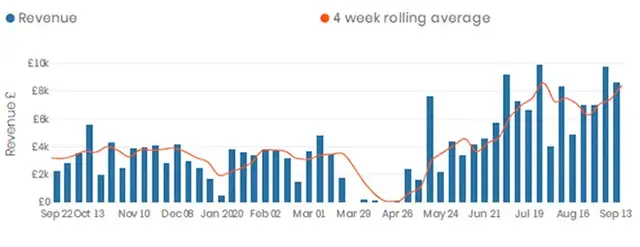
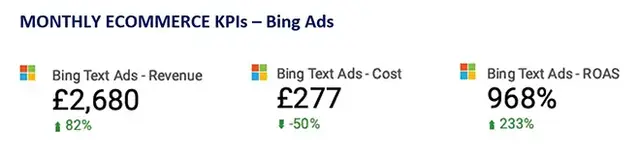
Real Results: Revenue Growth
https://www.xxxxxxxxxxxxxments.co.uk
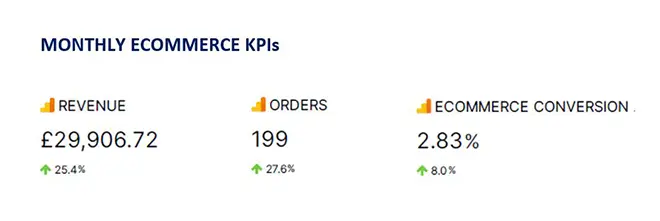
Actual client performance snapshot - real growth, not empty promises
Grow Online Sales With Ecommerce SEO in Peterborough
Tell us which products and categories you most want to rank, and we'll tune the content, structure and technical setup that turns shoppers into orders. It's delivered by the same senior team behind our work as an SEO Company Peterborough, so your store's organic growth is built on solid SEO foundations.
Explore Key Sections of This Page
What is Ecommerce SEO?
Ecommerce SEO is the work of improving an online shop so it appears more often and more prominently in Google for searches that lead to sales.
For Peterborough businesses, that means making sure your products, collections, and brand pages show up when local and UK customers are actively looking to buy.
Compared to general SEO, Ecommerce SEO leans heavily into purchase intent, with a sharper focus on product discovery, better on-site performance, and stronger conversion rates alongside long-term organic growth.
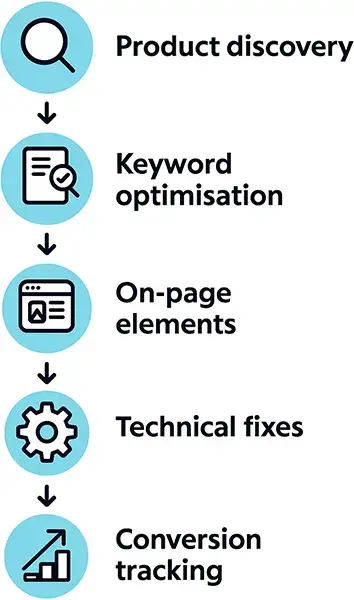
Key Areas Of Ecommerce SEO Include:
- Product page optimisation – Search-led product titles, meta information, persuasive descriptions, and properly structured image alt text
- Collections and navigation control – Clean category URLs, sensible filters, and faceted navigation that search engines can crawl without creating index bloat
- Store structure – A scalable hierarchy that helps Google index the right pages and helps customers reach bestsellers quickly
- Technical SEO – Speed, mobile usability, and stability improvements aligned with Core Web Vitals and modern ecommerce expectations
- Structured data – Product schema for price, stock status, ratings, and key attributes to help listings stand out in search results
- Internal linking – Planned links that push authority towards priority ranges, seasonal categories, and high-margin products
- Duplicate content control – Canonicals, parameter rules, and sensible indexing decisions for large catalogues and near-duplicate variations
- Conversion-first copy – SEO copywriting that is built to rank but written to sell, with clear benefits, trust signals, and next steps
Done properly, Ecommerce SEO is not about chasing traffic for its own sake. It is about attracting the right shoppers and removing friction from the buying journey. By aligning your product content, site structure, and technical foundations with how people search and shop, your Peterborough store earns more visibility, wins more clicks, and converts more customers over time.
Why Ecommerce SEO Matters
For most online shops, search is one of the biggest drivers of new customers, but without solid SEO your product pages can sit out of sight.
By investing in Ecommerce SEO for your Peterborough business, you can expect:
- Greater exposure for products across Google and other search platforms
- Improved positions for buying-focused keywords and specific long-tail searches
- More organic visits from shoppers who are ready to purchase
- Better conversion performance through quicker, smoother, easier-to-use pages
- Stronger long-term value than relying on paid ads alone
- More resilience during algorithm changes thanks to a clean, technically sound setup
“Did you know that 43% of all ecommerce traffic originates from Google’s organic search results?”
If Ecommerce SEO is not in place, you are almost certainly leaving sales on the table and handing visibility to competitors.
Our Peterborough Ecommerce SEO Services
We build Ecommerce SEO plans around the platform your store runs on, so the fixes and opportunities match the way your CMS actually behaves.
Peterborough retailers use a wide mix of ecommerce systems, and these are the ones we support most often:
- Shopify – Quick to launch, easy to manage, and well suited to growth when collections, apps, and themes are handled correctly.
- WooCommerce – Flexible and highly customisable, with strong SEO potential when plugins, hosting, and templates are properly configured.
- Magento (Adobe Commerce) – Built for larger, more complex catalogues where crawl management, layered navigation, and performance matter.
- BigCommerce – Strong built-in selling features with plenty of scope for technical and category-led optimisation.
- Wix – A straightforward builder that can work well for smaller catalogues when content structure and templates are used wisely.
- Squarespace – Design-led stores that benefit from tight on-page optimisation and careful control of indexable pages.
Whether you need a one-off audit or ongoing optimisation, our Ecommerce SEO covers the full set of improvements a store needs to compete and keep growing.
Our Ecommerce SEO Services By Platform
Every platform has its own quirks, limitations, and strengths. We tailor the work to what will move the needle for your store, so rankings improve and the traffic you attract is more likely to convert.
Platform-Focused SEO Audits
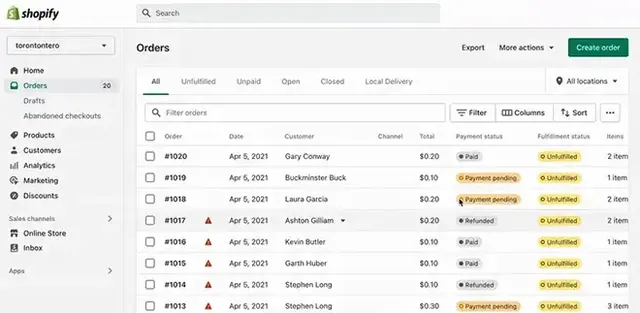
We run deep audits with platform-specific checks. That could mean reviewing Shopify collection setups and app impact, checking WooCommerce theme and plugin behaviour, or diagnosing Magento navigation and indexation issues. You get a prioritised action plan that is realistic, measurable, and mapped to commercial outcomes.
Speed & Core Web Vitals Improvements
- Shopify & BigCommerce: Reduce theme overhead, trim unnecessary apps, compress and modernise media, and improve template efficiency.
- WooCommerce: Improve server response, optimise database and caching, reduce render-blocking scripts, and tighten plugin performance.
- Magento: Strengthen caching strategy, optimise asset delivery, and improve page rendering so key pages hit stronger LCP and INP results.
- Wix & Squarespace: Work within platform constraints to streamline media, refine layouts, and apply best-practice performance settings.
Mobile SEO Built Around Your Store Setup
- Shopify: Mobile-first template checks, app impact reviews, and checkout journey testing on real devices.
- WooCommerce: Responsive behaviour audits, mobile navigation refinement, and friction checks across product and basket steps.
- Magento: Mobile performance diagnostics, template improvements, and careful handling of mobile UX across layered categories.
- Wix/Squarespace: Guidance on mobile layouts, content presentation, and reducing page weight where editing options are limited.
Navigation & Category Optimisation
- Shopify: Strengthen collection strategy, improve how products are surfaced, and keep category structure clean for crawling and discovery.
- WooCommerce: Refine category and tag strategy, reduce thin or duplicate archives, and improve internal paths to key ranges.
- Magento: Control faceted navigation, manage crawl paths, and ensure canonical and indexing rules protect category performance.
- BigCommerce: Improve category and brand page architecture, limit parameter-based duplication, and strengthen internal linking across ranges.
Product Page SEO
- Shopify: Improve titles, meta data, product descriptions, and structured data outputs so products earn more qualified clicks.
- WooCommerce: Configure ecommerce-focused SEO settings, improve template outputs, and ensure schema is accurate and consistent.
- Magento: Improve metadata generation, manage variant duplication, and ensure product pages are consistently indexable and fast.
- Wix/Squarespace: Focus on strong product copy, clean headings, and structured data options that fit what the platform allows.
Duplicate Content Control By Platform
- Shopify: Reduce duplicate product URL variations and strengthen canonicals so the right version ranks.
- WooCommerce: Prevent archive bloat from tags, filters, and pagination using clear index rules and cleaner internal linking.
- Magento: Handle filter-driven duplication with indexation controls, canonicals, and sensible URL strategy.
- BigCommerce/Wix: Improve canonical signals and sitemap accuracy to keep repetition under control as catalogues grow.
Structured Data Implementation
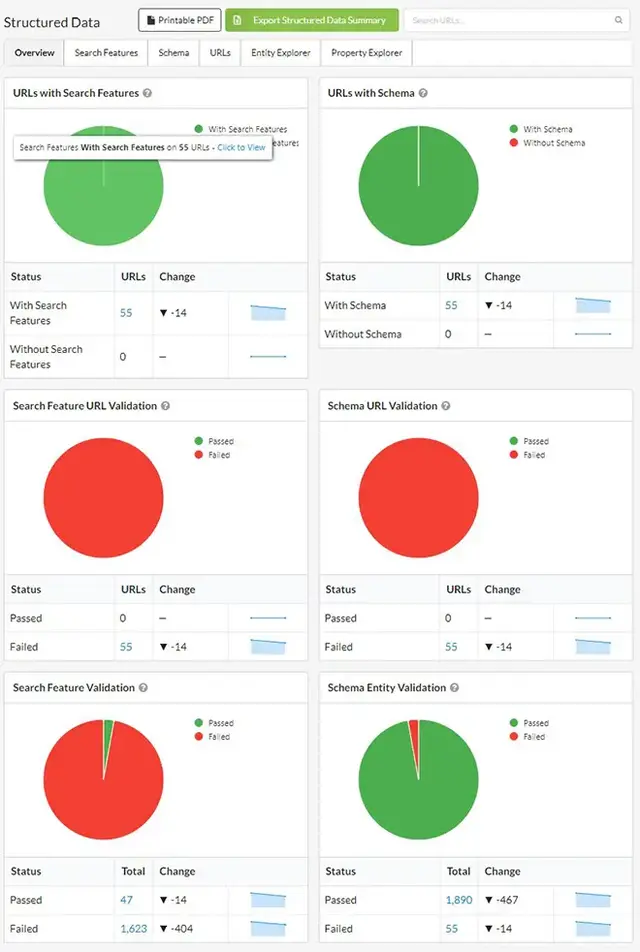
- Shopify & WooCommerce: Configure or customise schema so Product, Offer, Review, and availability data is correct and eligible for rich results.
- Magento: Implement JSON-LD via theme or extension, then validate and monitor at scale across catalogue templates.
- BigCommerce: Enhance built-in structured data outputs and tighten attribute consistency for cleaner search features.
- Wix/Squarespace: Add JSON-LD where supported and ensure key product data is represented accurately.
On-Site Search & Merchandising SEO
- Shopify & BigCommerce: Improve internal search relevance, track search behaviour, and use insights to guide SEO priorities.
- WooCommerce: Implement search tooling that supports query tracking and then improve product visibility based on what shoppers actually type.
- Magento: Ensure search is configured correctly, monitor no-result queries, and use that data to build better landing pages.
- Wix/Squarespace: Improve discoverability through clearer taxonomy, better product naming, and tighter category organisation.
Internal Linking & Authority Flow
- WooCommerce: Improve crawl depth with stronger related-product logic, category hubs, and contextual internal links.
How Our Ecommerce SEO Process Works
Here’s how we help Peterborough ecommerce businesses grow organic revenue in a structured, repeatable way:
-
Kick-Off And Context
We start by understanding your products, margins, audience, platform setup, and what growth looks like for you, whether that is local demand in Peterborough or UK-wide sales.
-
Full Ecommerce SEO Audit
We review your store from top to bottom, using tools such as Screaming Frog, Sitebulb, and Google Search Console to identify what is blocking visibility and what will unlock faster gains.
-
Prioritised Action Plan
You receive a clear roadmap that sets out what to fix first, what to build next, and how each task supports rankings, traffic quality, and conversion performance.
-
Implementation Support
We either carry out the work directly or work alongside your developers and content team, making sure changes are delivered properly and without disrupting trading.
-
QA, Measurement And Benchmarking
We validate improvements through crawls, performance checks, and before-and-after benchmarks so you can see what changed and what impact it is having.
-
Ongoing Optimisation
SEO is never a one-time task for ecommerce. We keep improving category coverage, product performance, internal linking, and technical health so your store stays competitive as your catalogue and market evolve.
This approach keeps everything transparent and measurable. From the first audit through to ongoing refinement, we stay hands-on and accountable, making sure your ecommerce site remains visible in search, easy to use, and built to convert for the long term.
Recent Results
These Ecommerce SEO case studies highlight how our Peterborough-focused approach helps online retailers improve rankings, attract higher-intent traffic, and increase sales.
Client: Outdoor Clothing Ecommerce Brand - Peterborough
Problem: Products not appearing for specific buying searches and variant-led queries
Solution: Product and collection optimisation, structured data, internal linking upgrades, category hierarchy improvements
Result: +73% organic sessions and +52% organic revenue in 16 weeks
Client: Home and Garden Retailer - Cambridgeshire
Problem: Slow mobile experience and drop-offs during the basket and checkout journey
Solution: Core Web Vitals improvements, image and script optimisation, UX fixes, refreshed SEO category content
Result: +38% organic traffic, -19% cart abandonment, +14% online sales
Client: Health and Beauty Ecommerce Store - Peterborough
Problem: Inconsistent metadata and weak index coverage across key product ranges
Solution: Metadata templates, sitemap clean-up, canonical improvements, strengthened internal linking and schema validation
Result: +59% impressions, +44% organic clicks, +22% increase in online orders
Whether the priority is technical performance, cleaner category structure, or stronger product targeting, our Ecommerce SEO work is built around outcomes that matter to Peterborough retailers - more visibility, more qualified visitors, and more revenue.
Tools & Technology We Use for Peterborough Ecommerce SEO
We pair hands-on ecommerce know-how with trusted SEO platforms so Peterborough retailers can see clear, trackable progress.
Our toolkit typically includes:
Screaming Frog & Sitebulb
Store crawls, product and category auditing, internal linking analysis, and structure reviews to uncover technical blockers.
Google Search Console & GA4
Query and landing page performance, indexing coverage, ecommerce tracking, and conversion measurement to connect SEO work to revenue.
Ahrefs, SEMrush & Majestic
Keyword research, competitor comparisons, backlink analysis, and authority benchmarking to identify where growth is most achievable.
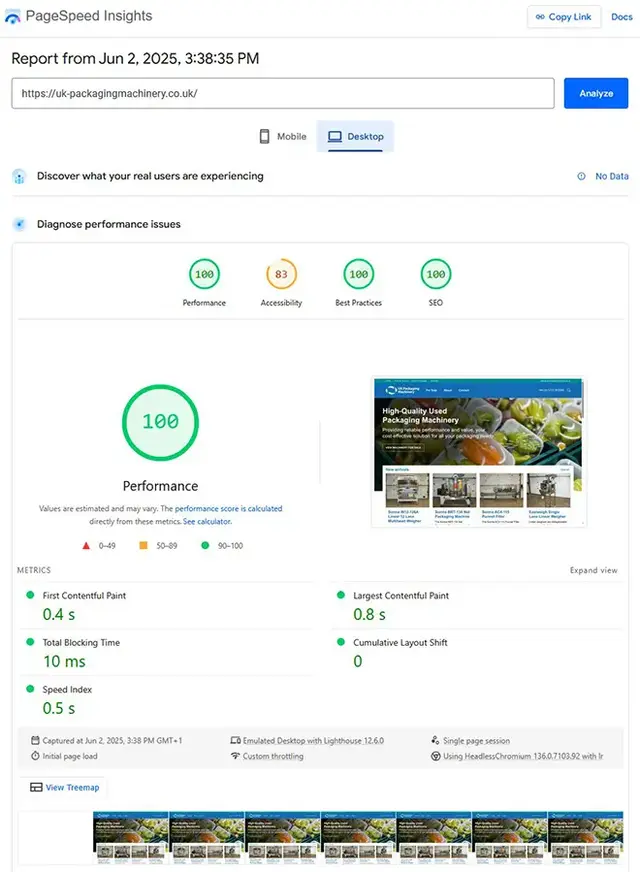
PageSpeed Insights & Lighthouse
Performance diagnostics and Core Web Vitals checks, with practical recommendations to improve load speed and usability.
CDN, Caching & Image Optimisation Tools
Used to reduce page weight, improve delivery of media assets, and help key pages load faster for both mobile users and search engines.
Schema Testing Tools
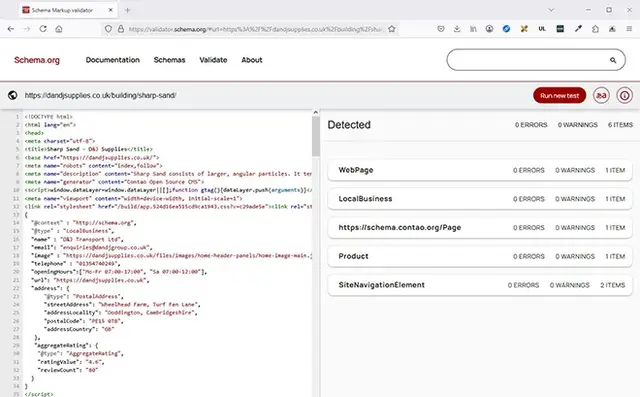
Validation and debugging for Product, Offer, and Review structured data so your listings can qualify for richer search features.
Custom Dashboards & Reporting
Clear reporting that shows what has been done, what changed, and how rankings, traffic quality, and sales are moving over time.
Combined with a practical ecommerce strategy, these tools help us keep your store technically healthy, easier to find, and positioned for sustainable organic growth in Peterborough and beyond.
Industries We Support
An ecommerce site that is properly optimised is no longer a nice-to-have - it is a key part of predictable sales growth. Our Ecommerce SEO services ensure your products, collections, and brand pages are built in a way that Google can understand, shoppers can navigate, and buyers can act on quickly.
We focus on what improves both visibility and performance: cleaner structure, faster pages, stronger messaging, and a smoother journey from search result to checkout. That helps reduce pogo-sticking and drop-offs, earns better click-through rates, and increases conversion rates across mobile, tablet, and desktop.
Whether you run a fast-growing Shopify store, a WooCommerce shop that needs more control, or a Magento catalogue with complex navigation, our approach adapts to your platform, your market, and how customers in and around Peterborough search for what you sell. With technical improvements, structured data, and conversion-led content working together, your store becomes easier to find, harder to beat, and built for sustainable organic growth.
-
Wellness, Fitness & Lifestyle
-
Healthcare & Medical
-
Hospitality & Leisure
-
Manufacturing & Industrial
-
Food & Beverage
-
Beauty & Cosmetics
-
Retail & E-commerce
-
Education & Training
-
SaaS & Technology Providers
-
Franchise Businesses
-
Professional Services
-
Local Trades & Services
Local Ecommerce SEO for Peterborough
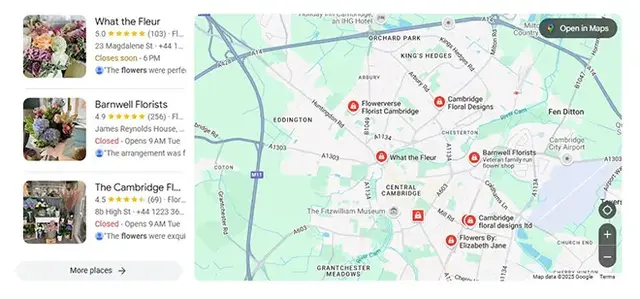
We also support Peterborough ecommerce businesses that want stronger local visibility, especially for click-and-collect, local delivery, and showroom-led searches.
- Building and improving Peterborough-focused landing pages that target local demand without creating thin, duplicated content
- Improving NAP consistency across your website, key directories, and customer touchpoints
- Adding Local Business structured data so search engines can better understand your business details and service area
- Optimising for local collection and delivery searches, including service messaging and location signals that increase trust
- Connecting your Google Business Profile with your store so your products and pages support local discovery
Whether you operate a local click-and-collect setup in Peterborough or run a UK-wide ecommerce brand with a base in the city, we make sure your site is set up to compete in local search as well as organic ecommerce results.
Benefits of Ecommerce SEO
Investing in Ecommerce SEO delivers lasting improvements
across the results that matter most:
- More Revenue - Better-targeted organic visitors are more likely to buy, lifting overall sales
- Greater Product Exposure - Stronger visibility for competitive terms as well as specific, high-intent searches
- Lower Acquisition Costs - Reduced dependence on paid ads as organic performance becomes more reliable
- Faster, Smoother Shopping - Performance improvements help customers browse and checkout with less friction
- Stronger Brand Trust - Consistent visibility builds credibility, especially for Peterborough businesses competing with larger names
- More Resilience - A clean technical foundation and sensible structure helps protect performance during algorithm changes
By prioritising visibility, conversion efficiency, and technical quality, our Ecommerce SEO helps online stores grow in a sustainable way. Whether your goal is to expand product reach, reduce ongoing acquisition costs, or build a stronger brand presence, we focus on improvements that keep delivering over time.
Why Choose Doublespark for Peterborough Ecommerce SEO?
We’re Peterborough’s ecommerce SEO specialists - trusted by brands that want measurable growth, not one-size-fits-all suggestions.
- SEO since 2005 - Long-term search experience, with ecommerce expertise built through years of real trading environments
- Platform know-how - Confident across Shopify, WooCommerce, Magento, and bespoke ecommerce setups
- Performance-led decisions - We prioritise work using real data, focusing on what improves revenue and margin, not vanity metrics
- Clear reporting - You can see what we have done, what is planned next, and how results are trending
- Results you can point to - Demonstrable wins across a range of ecommerce categories, backed by client outcomes
“Doublespark made a noticeable difference to our organic sales. We saw stronger visibility, better quality traffic, and a clear uplift in orders, with support that felt genuinely proactive.”
Working with Doublespark means partnering with a team that understands ecommerce commercially as well as technically. We bring together strong technical foundations, smarter content, and a focus on buyer intent to grow your store’s visibility and sales in a way you can measure.

What Our Clients Are Saying
5-Star Google Reviews That Reflect Our Commitment to Excellence
-
2 months ago
I have been with Doublespark since 2012. As a Cambridge SEO company they supported the online shop and the online marketing, helping more clients find and book our services. Gary has always been willing to help with any issues on the website and has been quick to respond when I have asked for any updates or changes to be made to the website. Highly Recommended
-
4 months ago
Great company to work with, on hand with tech queries and very proactive when an very rare issue arises.
-
6 months ago
Doublespark have looked after website maintenance and hosting for osteolabs since 2021. They keep the site running smoothly, deal with updates behind the scenes, and respond quickly whenever we need support.
-
8 months ago
most excellent people - helpful, knowledgeable and efficient.
-
9 months ago
Gary and the team at Doublespark are brilliant, we've worked together on a lot of very different digital marketing projects over a good many years. Always good results, always a good experience.


SEO Insights: Strategies, Trends and Tactics to Boost Organic Visibility

10 Search Strategies From BrightonSEO 2026
Ten things we brought back from brightonSEO 2026, from AI citation share to the conversion basics that still pay.

Optimising for Generative AI & Answer Engines
Discover how to optimise your SEO for AI Overviews and answer engines. Learn to adapt your content for generative results, build topical authority, and keep your brand visible in Google’s evolving search experience.
FAQs About Our Peterborough Ecommerce SEO Services
What Does Ecommerce SEO Involve, And How Is It Different From Standard SEO?
Ecommerce SEO is the work of improving an online shop so that product, category, and brand pages appear more often (and more prominently) in Google for searches that lead to purchases. Instead of relying on ads to be seen, Ecommerce SEO helps your store earn visibility naturally, which can lower acquisition costs and create a steady pipeline of buyers.
Traditional SEO is often built around service pages and informational content. It might prioritise blog articles, guides, and thought leadership that answers research questions. Ecommerce SEO still uses content, but it is usually centred on commercial intent, product discovery, and removing friction between a search result and a completed order. For Peterborough retailers competing with bigger brands, getting the technical foundations right can be the difference between being found and being overlooked.
How Ecommerce SEO Differs In Practice
The biggest difference is that an online shop is driven by templates, inventory, and user journeys. A small service website may have dozens of pages. A store can have thousands, and those pages change constantly due to stock, pricing, variants, and seasonal ranges. That creates unique SEO challenges that do not exist on most brochure sites.
- Product And Category Pages Come First: Ecommerce SEO focuses heavily on product titles, descriptions, imagery, structured data, and category content so that commercial pages can rank for buying queries. These pages also need to persuade shoppers once they arrive, not just attract a click.
- Scale And Indexing Matter More: A growing catalogue can create crawl waste, thin pages, and duplicate URLs. Ecommerce SEO spends a lot of time making sure search engines reach the right pages, ignore low value duplicates, and index what you actually want customers to find.
- Keyword Research Is Intent Led: Instead of targeting broad informational queries, ecommerce keyword work is built around product types, attributes, use cases, and modifiers such as size, colour, material, and compatibility. The goal is to match how people search when they are ready to buy.
- Technical Detail Has A Bigger Impact: Filters, sorting, pagination, and variant handling can create thousands of URL combinations. Without a clear strategy, those pages can dilute relevance and waste crawl budget. Ecommerce SEO includes stronger controls around canonicals, internal linking, and indexing rules.
Why This Matters For Peterborough Ecommerce
In and around Peterborough, many ecommerce businesses are balancing local demand (click and collect, local delivery, showroom traffic) with wider UK sales. Ecommerce SEO supports both by making the catalogue easier to discover while also strengthening trust signals such as clear delivery information, returns, reviews, and accurate structured data.
If your products are not visible for the searches that drive revenue, you are forced to lean more heavily on paid ads. A strong Ecommerce SEO strategy helps you win more of that demand organically, improve the quality of traffic arriving on your site, and keep growth compounding over time.
When Should I Expect Ecommerce SEO To Start Paying Off?
The timeline for Ecommerce SEO depends on how your store is currently built, how competitive your niche is, and how quickly improvements can be implemented. For most ecommerce sites, meaningful progress is usually seen within 6 to 12 months, but that does not mean nothing happens before then. Good campaigns create early movement, then build momentum as more of the catalogue becomes visible.
For a Peterborough business, competition can vary massively. Some product areas are dominated by national retailers and marketplaces, while others have room for specialist stores to win. The key is to separate quick technical gains from longer-term authority growth, and to track the right signals along the way.
What Early Progress Often Looks Like
In the first few weeks, the focus is normally on fixing issues that stop search engines from crawling and indexing properly. That could include broken internal links, redirect chains, slow templates, poor canonicalisation, or pages being blocked unintentionally.
- Technical Fixes: Improving crawl paths, resolving indexation problems, and cleaning up duplicate URLs can lead to faster discovery of key pages.
- Metadata And Template Improvements: Updating titles, headings, and internal linking rules can quickly strengthen relevance for a set of priority products or categories.
Mid-Stage Growth
Over the next few months, improvements tend to become more consistent. Category pages start to rank for broader commercial terms, product pages pick up long-tail searches, and internal linking helps distribute authority more effectively. You may also see richer results in search (where eligible) once structured data is improved and validated.
- Broader Keyword Coverage: More pages begin to appear for product attributes and specific buying searches.
- Steadier Organic Traffic: Traffic increases month by month when the underlying structure is sound and the catalogue is well targeted.
Long-Term Outcomes
From six months onward, the compounding effect becomes clearer. As your store builds trust, earns more links and mentions, and continues improving content quality, rankings become harder for competitors to dislodge. This is where SEO often starts to reduce reliance on paid ads, because more revenue is generated through organic discovery.
- Stronger Authority: Better link equity and stronger brand signals support more competitive category terms.
- Higher Conversion Contribution: More of your highest intent searches are captured organically, which typically improves profitability.
SEO should be treated as an ongoing investment, especially for ecommerce where products, inventory, and competitors change constantly. The fastest wins come from removing technical barriers, but the strongest results come from consistent improvement across structure, content, and performance.
Which Ecommerce Platform Gives The Best SEO Potential?
There is no single ecommerce platform that automatically wins at SEO, because performance depends on how the store is configured, how clean the theme is, and how well content and structure are managed. That said, some platforms make it easier to control key SEO elements, while others can introduce limitations that you need to plan around.
For Peterborough retailers, the best platform is usually the one that fits your operations and budget while still allowing you to implement strong technical foundations, scalable category structures, and persuasive product content.
Common Platforms And What They Are Good At
- Shopify: A strong choice for many stores because it is stable, quick to launch, and generally performs well when apps are kept under control. SEO success often comes down to good collection strategy, clean themes, and avoiding unnecessary app bloat.
- WooCommerce: Offers greater flexibility and can be excellent for stores that combine ecommerce with content marketing. The trade-off is that performance and stability rely more heavily on hosting, plugin choices, and maintenance.
- Magento (Adobe Commerce): Built for larger catalogues and complex requirements, with deep control over technical SEO when properly implemented. It typically needs developer support and careful performance management.
- BigCommerce: A capable platform with strong built-in selling features. With good category structure and careful control of parameter URLs, it can perform very well in organic search.
What Matters More Than The Platform Name
SEO outcomes are usually determined by fundamentals that apply across all systems. A fast store with a clear hierarchy and strong content will outperform a slow store with thin pages, even if the slow store is on a platform that is considered more SEO friendly.
- Speed And Template Quality: Heavy themes and excessive scripts can harm performance and user experience.
- Index Control: Your platform needs a sensible approach to filters, pagination, variants, and duplicate URLs.
- Content Flexibility: The ability to add helpful category copy, guides, and internal links makes a difference in competitive spaces.
- Technical Access: Some stores require custom solutions for structured data, redirects, and sitemap rules.
At Doublespark, we adapt the strategy to your platform rather than forcing a generic checklist. Whether you are running a lean Shopify store in Peterborough or managing a larger catalogue on Magento, the goal remains the same: a clean structure that ranks well, pages that load quickly, and content that converts.
What Do You Review In A Full Ecommerce SEO Audit?
An Ecommerce SEO audit is a detailed health check of your online shop. It looks at the technical setup, the way pages are structured, and how well your product and category content matches buyer intent. The objective is not to produce a long list of issues. It is to identify what is holding performance back, what will create the fastest gains, and what needs to be fixed to support long-term growth.
For Peterborough ecommerce businesses, audits often uncover a mix of technical barriers and content gaps. Many stores have strong products but lose visibility due to slow templates, duplicate URLs created by filters, or category pages that do not communicate relevance clearly to search engines.
Core Areas We Assess
- Technical SEO: Crawlability, indexation, site speed, mobile usability, sitemap quality, robots rules, redirect behaviour, canonical tags, and error patterns. This is the foundation that determines whether Google can find and trust your catalogue.
- On-Page SEO: Titles, meta descriptions, headings, product copy quality, image alt attributes, and page template consistency. We look for mismatches between what people search for and what your pages actually communicate.
- Site Architecture: Navigation, category hierarchy, internal linking routes, breadcrumbs, and crawl depth. A strong structure helps shoppers find products quickly and helps search engines understand which pages matter most.
- Schema Markup: Review of Product, Offer, Review, Breadcrumb, and relevant organisation signals. Where appropriate, structured data can support richer presentation in search results and improve click-through rates.
- Duplicate Content Risks: Variants, pagination, sorting, and filter URLs can create repetition at scale. We identify where duplication is created and recommend controls that protect rankings rather than splitting relevance across similar pages.
Off-Page And Market Review
- Backlink Profile: We assess link quality, relevance, and risk, and flag any patterns that could hold the domain back.
- Competitor Gap Analysis: We compare your visibility and link footprint against key competitors to identify where you are underrepresented and where quick wins may exist.
- Brand Signals: We review third-party citations, reviews, and brand presence that can influence trust for shoppers and search engines.
What You Get At The End
A good audit is actionable. We deliver a prioritised plan with clear next steps, separating quick wins from larger technical projects. You will typically receive a technical backlog, a content improvement plan for categories and products, and guidance on tracking so the impact can be measured properly.
Whether your store targets local buyers in Peterborough or ships nationally, the audit is aligned to commercial priorities, not just rankings. The aim is to build a catalogue that is easier to find, easier to trust, and more likely to convert.
How Can Ecommerce SEO Improve Conversion Rates As Well As Traffic?
Ecommerce SEO is often seen as a traffic channel, but strong SEO work can also increase conversion rates because it improves relevance, speed, trust, and the overall shopping journey. When the right people land on the right page and the experience is smooth, more visits turn into orders.
For Peterborough stores, conversion improvements can come from both technical refinements and clearer messaging. Many shoppers bounce not because they dislike the product, but because the page loads slowly, the information they need is missing, or the page does not match what they expected after clicking a search result.
Where SEO Supports Conversions
- Better User Experience: Faster pages and cleaner mobile layouts reduce frustration and drop-offs. Improvements to navigation, internal linking, and page templates can help shoppers find what they need without getting lost.
- More Relevant Visitors: Targeting transactional searches attracts people who are already close to buying. That usually converts better than broad, research-led traffic.
- Improved Trust Signals: When your listings look credible (and your pages back that up), shoppers are more likely to buy. This can include clearer delivery and returns information, stronger product details, and eligibility for rich search features where appropriate.
- Stronger Snippet Messaging: Better titles and meta descriptions can improve click-through rate, but they also set expectations. When the page matches the promise of the snippet, engagement improves and bounces reduce.
Product And Category Content That Helps People Decide
SEO copy for ecommerce is not about padding pages with keywords. It is about answering buyer questions quickly: what the product is, who it is for, what problem it solves, and what makes it a good choice. Useful details such as sizing information, compatibility notes, care instructions, and comparison guidance can improve both rankings and conversions because the content is genuinely helpful.
Measuring Conversion Impact
We track performance beyond rankings. That includes landing page conversion rate, revenue from organic sessions, add-to-basket behaviour, and where shoppers drop off. This helps identify whether the issue is traffic quality, page experience, or the journey to checkout.
The outcome is not just more visitors. It is more revenue from the visitors you already earn, and a store that performs better for both search engines and shoppers.
Can Product Variants And Filters Be Optimised Without Creating Duplicate Content?
Yes, but it needs a clear strategy. Variants (such as size or colour options) and faceted navigation (filters for brand, price, material, and more) can generate large numbers of near-duplicate pages. If search engines crawl and index all of them, relevance can be diluted and crawl budget can be wasted on URLs that do not deserve to rank.
This is a common issue for ecommerce sites serving Peterborough and the wider UK, particularly when catalogue growth outpaces the original site structure. The solution is not to remove filters. It is to control how those URLs are created, crawled, and indexed, while still keeping the shopping experience strong.
Approaches We Commonly Use
- Canonical Tags: Canonicals help search engines understand which page is the primary version when multiple URLs show similar content. Used correctly, they protect the main category or product URL from being split across variants and parameter versions.
- Noindex Rules: Where filtered pages add little unique value, noindex can prevent them from appearing in search results while still allowing shoppers to use filters on-site.
- Parameter Control: Many platforms create query-string URLs for sorting and filtering. We review which parameters should be crawlable, which should be blocked, and which should be ignored, depending on how the store is built.
- Consolidated Variant Handling: For many products, keeping variants on a single URL avoids splitting signals across multiple pages. This can also help reviews, internal links, and content build authority on one page.
When Filter Pages Should Be Indexable
Some filtered combinations have real search demand. For example, a popular product type with a high-volume attribute might justify its own landing page. In those cases, the approach is different: the page needs unique content, a stable URL, internal links, and a clear role in the category hierarchy. The goal is to create a small number of high-value landing pages, not thousands of thin duplicates.
Platform Considerations
Different platforms behave differently. Shopify can create duplicate paths depending on how products are linked through collections. WooCommerce often produces parameter variations through filters and sorting. Magento can generate large volumes of layered navigation URLs. The audit determines where duplication is coming from, then we apply the right controls for that platform.
Handled properly, variants and filters can improve user experience without harming SEO. The store stays easy to shop, while search engines focus their attention on the pages that actually drive revenue.
What Metrics Matter Most When Measuring Ecommerce SEO Performance?
Ecommerce SEO success is not measured by rankings alone. Rankings are useful, but the real objective is commercial performance: qualified traffic, stronger engagement, and increased revenue. We focus on a set of metrics that show whether SEO is contributing to growth, not just visibility.
For Peterborough businesses, this is especially important because performance can look different depending on whether you are pushing nationwide delivery, local click and collect, or a mix of both. Good reporting separates those strands so you can see what is driving sales.
Core Metrics We Track
- Organic Traffic: How many users arrive via search engines, and which landing pages attract them.
- Search Visibility: Impressions and click data from Google Search Console, showing whether you are appearing more often for relevant searches.
- Keyword Coverage: Not just head terms, but long-tail product queries that often convert well and compound over time.
- Click-Through Rate (CTR): Whether your listings earn clicks when they appear, which is influenced by metadata quality and eligibility for rich results.
- Conversion Rate: The percentage of organic visitors who buy, along with add-to-basket behaviour and checkout completion where tracking allows.
- Revenue From Organic Search: Ecommerce tracking data that connects SEO performance to sales, not just sessions.
Supporting Technical Signals
Technical metrics help explain why performance is changing. We monitor crawl errors, index coverage, page speed trends, and template health across product and category pages. If conversions dip, these signals often reveal whether the cause is experience, tracking, or traffic quality.
Turning Data Into Decisions
Good measurement is only useful if it informs action. That means highlighting which categories are growing, which products are underperforming, and where new opportunities exist. We also annotate key changes, such as major template updates or new ranges, so performance can be understood in context.
Ultimately, success is clear when the store earns more high-intent visibility, attracts better shoppers, and generates more revenue from organic search month after month.
Do You Offer Ongoing Ecommerce SEO, Or Is It A One-Off Service?
Yes, we provide ongoing Ecommerce SEO support, and for most online shops it is the best way to achieve lasting results. Ecommerce sites are not static. Products change, categories expand, seasonal ranges come and go, and platform updates can alter templates without warning. If SEO is treated as a one-off task, performance often stalls or gradually declines as the site evolves.
Ongoing SEO is especially valuable for Peterborough retailers who want steady growth without relying entirely on paid ads. It creates a structured way to keep improving the catalogue, strengthening visibility, and protecting technical health as the store scales.
What Ongoing Support Typically Includes
- Regular Technical Checks: Scheduled crawls, index coverage reviews, and monitoring for new errors, broken links, redirect issues, and template changes.
- Search Trend Monitoring: Keeping an eye on changing search behaviour, emerging queries, and shifting demand across categories.
- Product And Category Optimisation: Improving new products as they launch, strengthening underperforming categories, and refining internal linking to priority ranges.
- Content Development: Creating or improving supporting content that helps categories rank, answers buyer questions, and supports conversion.
- Reporting And Strategy Reviews: Regular performance reporting with clear actions, so the roadmap stays aligned to commercial goals.
- Support During Changes: Guidance during migrations, re-platforming, large catalogue updates, or major site releases so organic visibility is protected.
Why Ongoing SEO Works Better For Ecommerce
Many improvements take time to settle because search engines need to recrawl and reassess the site. Ongoing work also allows you to build authority naturally, expand keyword coverage, and keep refining the experience that drives conversions. Instead of a burst of activity followed by silence, the store improves continuously, which is how organic growth compounds.
That ongoing approach keeps your ecommerce site technically reliable, easier to discover, and more competitive over the long term.
Can Ecommerce SEO And Paid Advertising Work Better Together?
Yes. SEO and paid advertising can be integrated so both channels perform better. SEO builds long-term visibility and reduces reliance on paid traffic over time, while PPC can provide immediate demand capture and fast data on what converts. When the two are aligned, you can make smarter decisions about content, landing pages, and budget allocation.
For Peterborough ecommerce businesses, this joined-up approach is useful when you are scaling a catalogue, launching new ranges, or testing new audiences. Paid campaigns can highlight which product types and messages drive sales, and SEO can then build sustainable visibility around those insights.
Where Integration Delivers Value
- Keyword Insights: PPC performance often reveals which searches convert best. That data can help prioritise SEO work around categories and products that drive revenue.
- Improved Landing Pages: SEO-led landing pages are typically more helpful and structured, which can also improve paid performance by increasing relevance and conversion rate.
- More SERP Real Estate: Appearing in both paid and organic results can increase trust and improve overall click share, particularly for competitive product terms.
- Cost Efficiency Over Time: As organic visibility grows, you can reduce spend on terms where SEO is strong, and redirect budget to new product launches or more competitive areas.
Practical Ways We Align The Two
We commonly share search query data across teams, use paid performance to validate category priorities, and ensure key landing pages are built to serve both channels properly. We also look at attribution carefully, because ecommerce journeys often include multiple touchpoints before purchase.
SEO and PPC do not need to compete for attention. When planned together, they can increase visibility, improve conversion performance, and make your overall marketing investment work harder.
How Do You Improve Core Web Vitals For Ecommerce Stores?
Core Web Vitals are performance signals that reflect how users experience your site, especially on mobile. For ecommerce, performance is not just an SEO concern. Slow, unresponsive pages and unstable layouts can reduce trust and increase abandonment, which directly impacts revenue.
Because ecommerce sites rely on images, scripts, apps, and dynamic elements, they often struggle with performance without careful optimisation. For Peterborough stores competing in busy search results, improving page experience helps both rankings and conversions.
What We Focus On
- Load Performance: Ensuring key content appears quickly, especially on category and product pages where imagery is heavy.
- Responsiveness: Reducing delays between user actions and page response, which is critical for filters, add-to-basket, and checkout steps.
- Visual Stability: Preventing unexpected layout shifts caused by images without dimensions, late-loading banners, or third-party scripts.
Our Optimisation Process
- Performance Audits: We benchmark key templates (home, category, product, basket, checkout) using industry tools, then prioritise changes based on impact and feasibility.
- Image Optimisation: Compressing images, serving modern formats where possible, implementing lazy loading appropriately, and removing oversized media that delays rendering.
- Script And CSS Cleanup: Reducing unused JavaScript, controlling third-party tags, and streamlining CSS to improve load and prevent instability.
- Server And Caching Improvements: Improving response times through better caching, efficient delivery of static assets, and platform-appropriate configuration.
- Font And Asset Handling: Making sure fonts and key assets load in a way that avoids delayed rendering and layout jumps.
Platform Specific Considerations
Different platforms create different bottlenecks. Some Shopify stores need app reductions and theme improvements. WooCommerce sites may require hosting, caching, and plugin performance work. Magento stores often benefit from careful caching strategy and template optimisation. The audit identifies the real cause, then we apply the fixes that make sense for that setup.
By improving performance and stability, you create a smoother shopping experience. That supports stronger engagement, higher conversion rates, and a store that is easier for search engines to trust over the long term.
More Of Our SEO Services
Serious about growth? Our SEO, PPC and web services are built to deliver. Explore what we can do for your business.