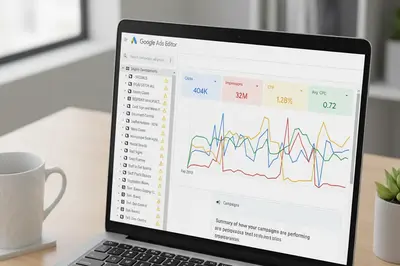
Landing Page Design Services in Peterborough
Launch conversion-focused, user-friendly landing pages that turn Peterborough visitors into enquiries and sales, built by specialists who understand local audiences and competitive markets.
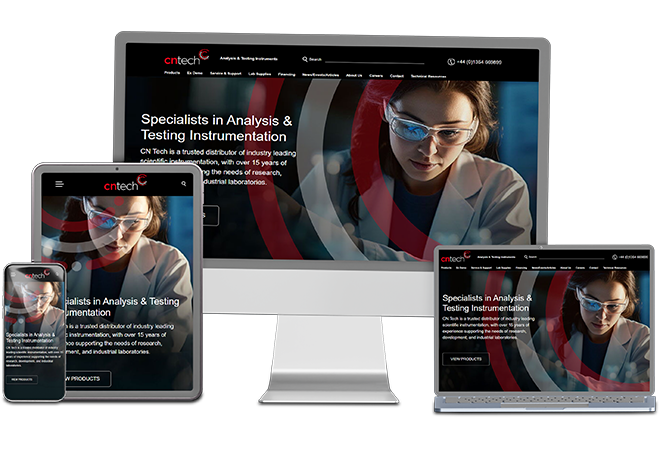
Stop Paying for Clicks That Never Convert
Tell us which campaigns aren't paying back, and we'll redesign the landing pages around the offer, the audience, and the one action you actually want. Landing pages sit inside our wider Peterborough Web design agency, so the page works with the rest of your site rather than against it.
Explore Key Sections of This Page
What Is Landing Page Design?
Landing page design is one of the biggest factors in turning clicks into customers, and it often makes the difference between a campaign that breaks even and one that delivers consistent growth.
Unlike a full website, a landing page is built for focus. It centres on a single outcome - generating leads, selling a specific product, promoting an event, or encouraging sign-ups - with every element supporting that one action.
Put simply, professional landing page design makes each visit work harder, improving results from your existing traffic and helping Peterborough businesses get more value from every marketing pound.
Key Benefits of Landing Page Design:
- Better Conversion Rates
Increase enquiries, bookings, and sales with messaging and layouts designed to drive action - Reduced Cost Per Lead
Improve performance from your ads and campaigns by converting more of the people you already reach - Greater Customer Confidence
Build trust fast with clear structure, strong credibility signals, and a professional finish - Stronger Brand Impression
Deliver a consistent look and tone that makes your business feel established and reliable - Continuous Improvement Through Testing
Refine headlines, calls to action, and page sections using real data to lift results over time
Fact: HubSpot research found that businesses with 10 to 15 landing pages can generate around 55% more leads than those with fewer pages.
Effective landing page design is not a nice-to-have - it is the foundation for improving campaign performance and building sustainable growth.
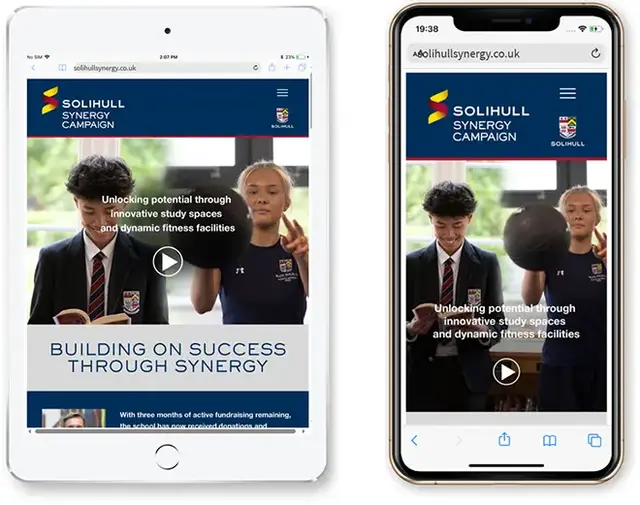
Why Landing Page Design Matters
Landing page design is critical for turning Peterborough traffic into real leads and sales, and it often has the biggest impact on whether a campaign performs or stalls.
Unlike a full website, a landing page is deliberately focused on one objective - whether that is capturing enquiries, promoting a specific service, selling a product, or driving sign ups.
Done properly, a landing page makes every visit count by reducing distractions, improving clarity, and helping you get stronger results from the same marketing spend.
Key Benefits of Landing Page Design:
- Higher Conversion Rates
Generate more enquiries and sales with focused layouts, clear calls to action, and persuasive content - Lower Acquisition Costs
Improve efficiency by converting more of the clicks you already pay for, helping your budget go further - Enhanced User Trust
Build confidence with professional design, straightforward messaging, and credibility cues that reduce hesitation - Improved Brand Perception
Create a consistent experience that makes your business feel reliable, established, and easy to buy from - Data-Driven Optimisation
Test and refine page elements over time to steadily increase performance as you learn what works best
“A landing page is designed for a single focused objective, helping guide visitors towards one clear action.”
Effective landing page design is not just a nice extra - it is the foundation for improving campaign performance and building sustainable growth.
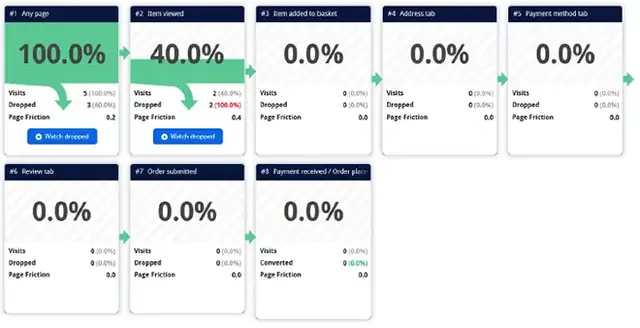
Transparent Pricing
We offer flexible web design packages tailored to your needs and goals. Whether you need a full website redesign, a brand-new build, or ongoing design support, we’ll provide a clear, upfront proposal with no hidden costs. Get in touch for a personalised quote.
Our Landing Page Design Services
We deliver a complete range of landing page design services built to help Peterborough businesses generate more leads, enquiries, and sales online.
Mobile-First Landing Page Design
We design pages that load quickly and look spot on across mobiles, tablets, and desktops, with mobile usability treated as the priority.
Custom Visual Design & Branding
Every layout is tailored to your brand, combining strong visuals with a clean structure that keeps attention on the offer.
Strategic User Journey Mapping
We plan the page flow from first glance to final click, removing friction and guiding visitors towards one clear action.
Conversion Rate Optimisation (CRO)
Using data-led CRO principles, we refine headlines, sections, and calls to action to improve performance and reduce drop off.
Fast Load Times & SEO-Friendly Builds
We build for speed and search visibility, helping lower bounce rates and supporting organic discovery where relevant.
A/B Testing & Analytics Integration
We configure tracking and testing so you can measure what matters, compare variations, and keep improving results over time.
Lead Capture & CRM Integration
We connect forms and lead capture to your CRM or marketing platform, helping you respond faster and nurture leads properly.
UX Writing & Persuasive Copy
We create clear, benefit-led copy that matches user intent and makes the next step obvious without overcomplicating the message.
Our landing page services turn interest into action, helping Peterborough businesses see measurable growth from their campaigns.
Our work
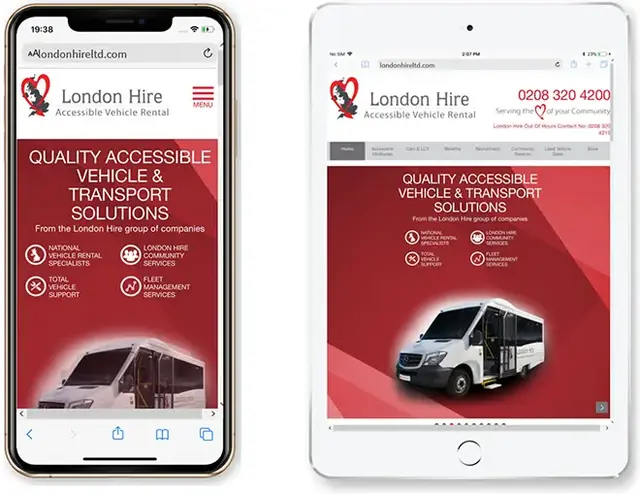
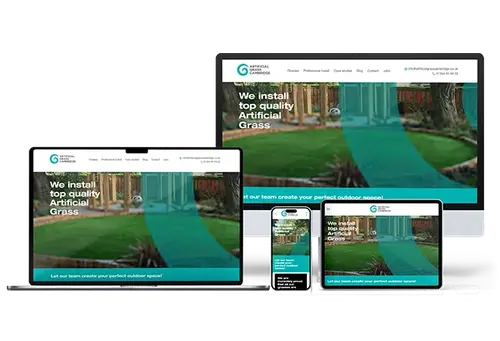
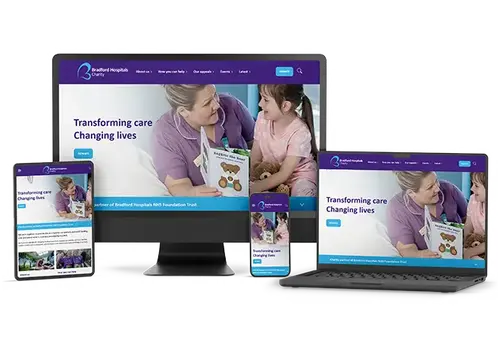
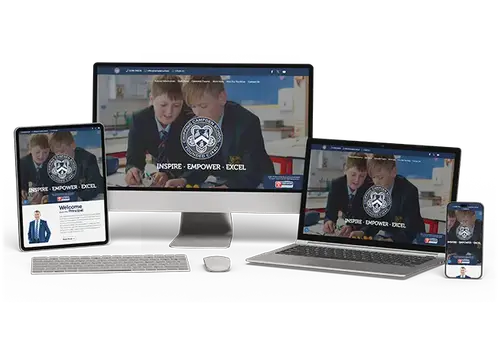
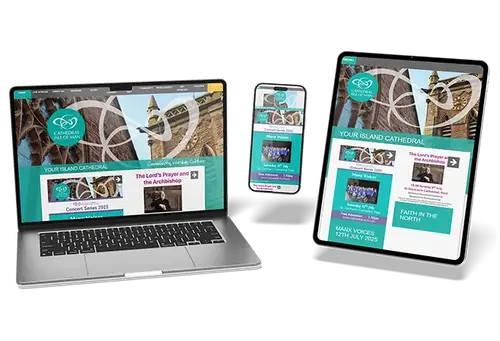
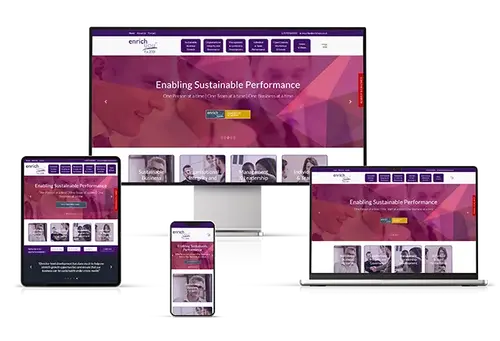
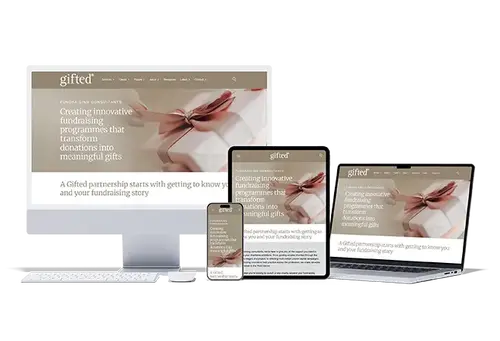
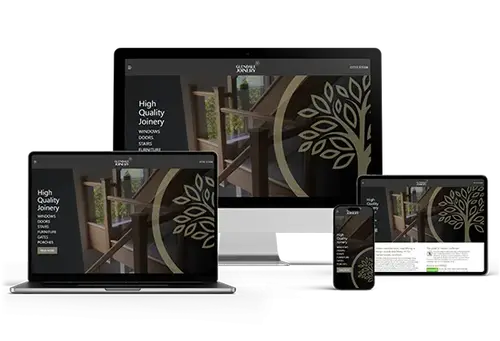
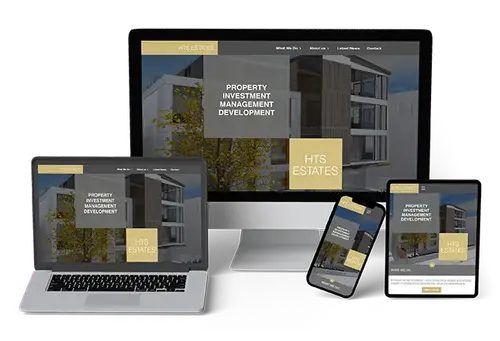
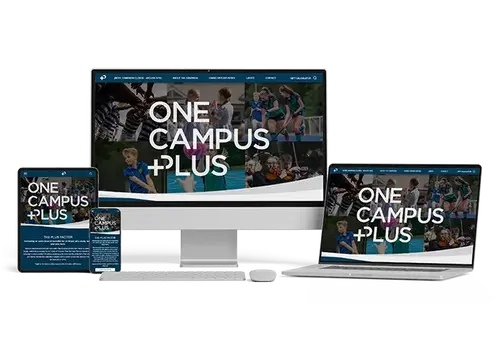
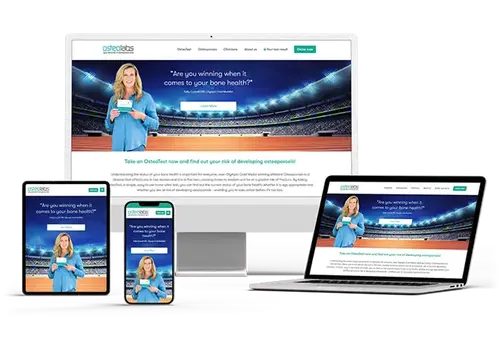
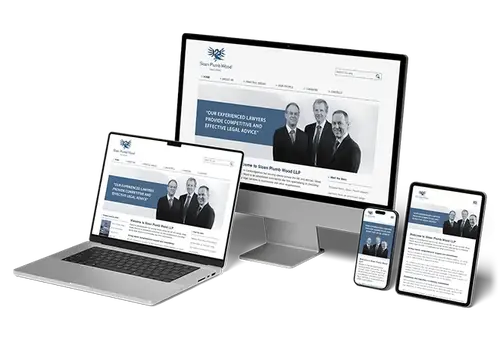
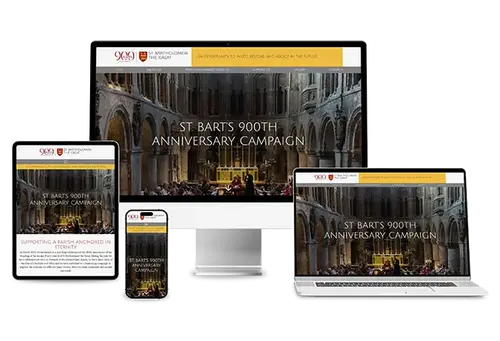
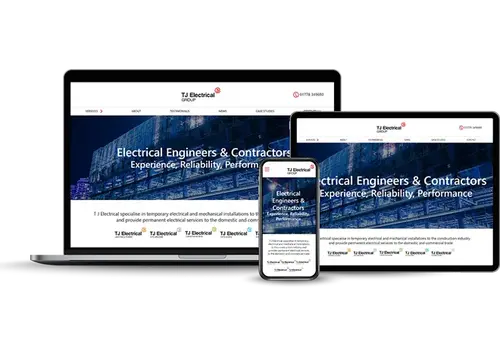
A selection of some of the websites we have designed, programmed, maintain or currently host:













The Landing Page Design Process
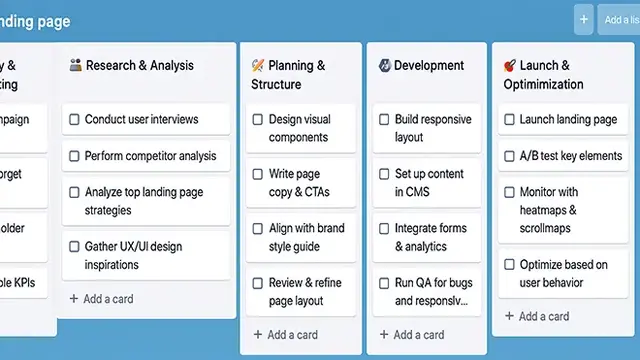
Our structured landing page design process is built to deliver strong results for Peterborough businesses - combining clear strategy with high-quality creative.
-
Discovery & Goal Setting
We begin by getting clarity on your offer, target audience, and what success looks like, whether that is leads, bookings, calls, or sales.
-
Audience Insight & Local Competitor Review
We look at how your customers search and decide, then assess what competitors in and around Peterborough are doing so your page stands out for the right reasons.
-
Wireframing & Journey Planning
We map the structure before any build begins, planning each section, proof point, and call to action to keep the user moving towards one clear next step.
-
Visual Design & Persuasive Copy
We design the page and write the messaging together, making sure the layout supports the copy and the copy matches real user intent.
-
Build & Integrations
We develop a fast, reliable landing page and connect forms, tracking, and tools like analytics or your CRM so every enquiry is captured correctly.
-
QA, Launch & Ongoing Optimisation
We test across devices and browsers, launch with tracking in place, and then refine based on performance data to keep improving conversion rate over time.
Our process means every detail - from the headline through to the final call to action - is designed to remove friction and increase conversions.
Recent Results
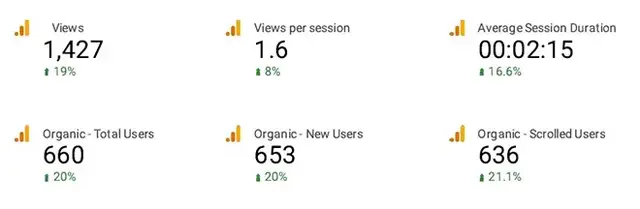
Our landing page design services in Peterborough are built around one outcome - turning visitors into customers through clear messaging, purposeful design, and conversion-led UX.
Client: Peterborough SaaS Startup
Problem: Strong traffic, weak demo requests from paid campaigns.
Solution: Created focused product landing pages with tighter message matching, clearer proof points, and simplified forms.
Result: Demo enquiries increased by 71% within 90 days.
Client: Peterborough Online Retailer
Problem: High drop off on seasonal promotion pages.
Solution: Rebuilt landing pages with faster load times, stronger product hierarchy, and more prominent calls to action.
Result: Bounce rate reduced by 46%, with revenue from the campaign up 58%.
Client: Peterborough Professional Services Firm
Problem: Low uptake for consultation bookings from social and search ads.
Solution: Designed service specific landing pages with clearer benefits, trust signals, and booking focused UX.
Result: Booking completions increased by 109% compared to the previous campaign.
From lead generation and bookings through to ecommerce sales, our Peterborough landing page designs are engineered to perform. Every layout is shaped around user intent, strong calls to action, and proven UX patterns, so your campaigns deliver the results they should.
Tools & Technology We Use for Landing Page Design
We do not just design landing pages that look great - we build them on a modern tech stack to maximise speed, usability, and conversion performance for Peterborough campaigns.
Our toolkit includes:
- Figma, Adobe XD & Sketch
Tools for wireframing, prototyping, and high-fidelity UI design so the page structure is validated before build - Unbounce, Instapage & Leadpages
Dedicated landing page platforms for fast deployment, flexible layouts, and campaign specific testing - Google Analytics 4 & Hotjar
Tracking and behaviour insights such as funnels, heatmaps, and session recordings to identify friction - VWO & Optimizely
A/B testing platforms that support structured experimentation and continuous improvement - CRM Integrations: HubSpot, Salesforce & Mailchimp
Lead capture and nurturing integrations so every enquiry is recorded, routed, and followed up properly
By combining the right tools with practical conversion expertise, we create high-performance landing pages that keep improving as your campaigns scale.
Industries We Support
Landing pages are where digital campaigns succeed or fail. At Doublespark, we design high-performance landing pages for Peterborough businesses that turn clicks into customers through smart structure, persuasive messaging, and conversion-led UX.
Whether you need a lead generation page for a local service, a booking focused page for enquiries, or a product landing page to support an ecommerce push, we tailor every build around your audience and the action you want them to take. We bring together clear layout, responsive design, and testing-led refinement to improve engagement and deliver measurable results.
From campaign specific pages to evergreen assets that support long-term growth, every landing page we create is built to convert. With a strong content hierarchy, fast load times, and user-first design choices, we help you capture attention quickly and guide visitors smoothly towards your call to action.
-
Healthcare & Medical
-
Hospitality & Leisure
-
Nonprofits & Charities
-
Education & Training
-
Construction & Skilled Trades
-
App & Software Developers
-
Entertainment & Media
-
Beauty & Cosmetics
-
B2B Service Providers
-
Legal & Financial Services
-
Manufacturing & Industrial
-
Wellness, Fitness & Lifestyle
Local Landing Page Design Services in Peterborough
We support Peterborough organisations with local landing page strategies designed to improve engagement, enquiries, and growth across the area:
- Local Audience Focus: Align the messaging, offers, and page structure with what Peterborough customers are actually looking for.
- Peterborough-Focused SEO: Optimise for local search intent and service area visibility, helping the right people find you at the right time.
- Regional Trust Signals: Reinforce credibility with reviews, case studies, and proof points that feel relevant to local buyers.
Our Peterborough-first landing pages help you stand out locally, build trust faster, and convert more campaign traffic into real enquiries.
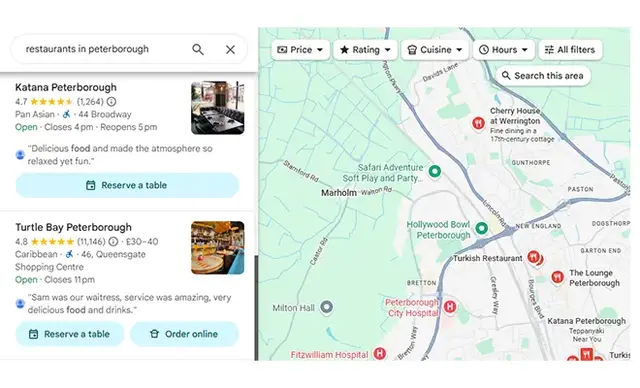
Benefits of Professional Landing Page Design
Landing page design is not just about how a page looks - it is about generating measurable results for your business.
A well-built landing page delivers long-term benefits that improve the performance of your digital marketing:
- More Leads and Sales
Conversion-focused pages increase enquiries, sign ups, bookings, and purchases by keeping the offer clear and the next step simple - Better Marketing ROI
Optimised landing pages help you get more value from every advertising pound by converting a higher share of your traffic - Enhanced User Experience
Clean layouts and logical flow reduce friction, helping visitors stay engaged and complete the action you want - Brand Growth and Authority
Professional design and confident messaging build trust quickly, making your business feel credible and easy to choose - Agility and Scalability
Create repeatable page templates that can be adapted for new campaigns, offers, and audiences without rebuilding from the ground up
With expertly designed landing pages, you can capture more attention, build lasting trust, and convert more of your traffic into real revenue.
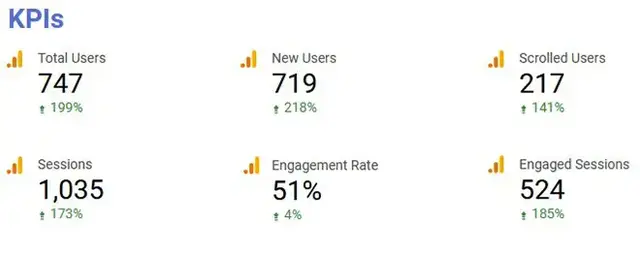
Why Choose Doublespark for Landing Page Design?
At Doublespark, we create more than attractive pages - we build high-converting landing pages backed by research, data, and years of hands-on digital experience.
- 20+ Years of Experience
Supporting businesses in Peterborough and across the UK with proven digital expertise - Performance-First Approach
Every decision is guided by user insight, CRO best practice, and reliable tracking so improvements are based on evidence, not guesswork - Agile Collaboration
Clear timelines, straightforward communication, and practical feedback loops that keep projects moving without delays - Post-Launch Optimisation
Ongoing review and refinement so landing pages continue to improve as your campaigns develop - Tailored Landing Page Strategies
Every landing page is designed around your audience, goals, and brand - never a generic template approach
“Since working with Doublespark, our landing pages have performed far better than previous campaigns, with higher conversion rates and a noticeably lower cost per lead.” - Peterborough Client
Choose Doublespark for landing pages that look professional and perform consistently, helping your campaigns generate stronger results over the long term.

What Our Clients Are Saying
5-Star Google Reviews That Reflect Our Commitment to Excellence
-
2 months ago
I got Gary at DoubleSpark to overhaul my website as it wasn't performing very well. It has now been transformed and performing really well. We have been getting lots of leads from it. DoubleSpark have done a brilliant job. Thank you.
-
3 months ago
I had a great experience with Doublespark Internet Marketing. The team is knowledgeable, professional, and genuinely focused on delivering results. They took the time to understand my business needs and provided clear, effective strategies that made a noticeable difference.
-
5 months ago
I have been with Doublespark since 2012. As a Cambridge SEO company they supported the online shop and the online marketing, helping more clients find and book our services. Gary has always been willing to help with any issues on the website and has been quick to respond when I have asked for any updates or changes to be made to the website. Highly Recommended
-
8 months ago
Great company to work with, on hand with tech queries and very proactive when an very rare issue arises.
-
9 months ago
Doublespark have looked after website maintenance and hosting for osteolabs since 2021. They keep the site running smoothly, deal with updates behind the scenes, and respond quickly whenever we need support.


Website Design News, Trends and Insights Shaping Digital Experience
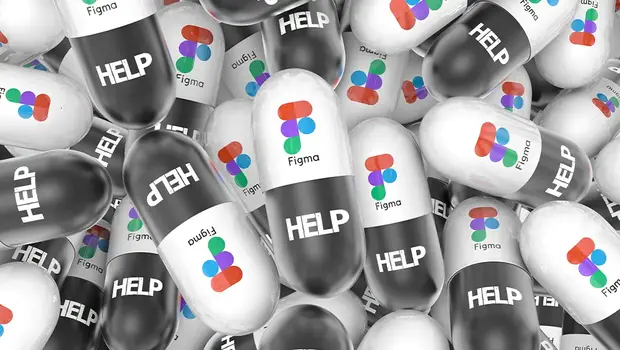
The Figma Web Design Process
Figma brings clarity to the parts of a website project that often cause friction. Instead of static PDFs and scattered emails, everyone works in a shared space with live designs, pinned comments, and clickable journeys.

How AI Is Redefining Web Design
AI has moved from being a back‑office helper to becoming part of the user experience itself. This long‑form guide explains how AI is influencing website design and development today, with practical examples.
FAQs About Our Peterborough Landing Page Design Services
What Makes a Landing Page Different From a Standard Website Page?
Landing pages and standard website pages both matter, but they are built for different outcomes. A typical website page helps visitors explore, learn about your business, and move between sections. A landing page is built for one action, such as an enquiry, a booking, a download, or a purchase. For Peterborough businesses running campaigns, using the right page type can have a direct impact on conversion rate, lead quality, and how far your budget goes.
One Goal, One Route
A website page often serves several purposes at once. It may introduce a service, link to related pages, and encourage deeper browsing. A landing page does the opposite. It narrows attention to a single goal and shapes the page around that goal. The headline, supporting sections, and call to action all reinforce the same decision, with fewer competing links and less visual noise. This is especially important when the visitor is in a hurry and just wants an answer.
Built to Match the Click
Landing pages are commonly used with paid search, paid social, email, and partner promotions. Because the traffic source is known, the page can mirror the promise that brought someone there. If a visitor clicks an advert for “plastering in Peterborough”, the page should confirm that service, that location, and that next step immediately. Strong message match reduces uncertainty, reassures the visitor they are in the right place, and keeps them moving towards the call to action.
Reduced Distractions, Not Reduced Trust
On a full website, navigation menus and footers are helpful. On a landing page, they can pull people away before they convert. Many landing pages remove the main menu or keep it minimal, then replace it with information that helps someone decide. That might be reviews, accreditations, quick answers to common questions, and a short explanation of what happens after they get in touch. The page is still transparent, it is just focused.
Different Structure and Copy
Landing pages are written to be scanned. They tend to use short paragraphs, clear section headers, and benefit-led content that addresses the visitor’s intent. They also handle objections early, such as pricing uncertainty, availability, service coverage, or delivery timeframes. Forms are typically shorter than on a general contact page, and the copy around the form explains why you are asking for details and what the visitor gets in return.
Designed for Measurement and Improvement
Landing pages are easier to optimise because success is defined in one number. You can track conversions, form starts, drop-off, and the cost of each enquiry. That makes it straightforward to run tests on headlines, calls to action, layouts, and form length, then keep the winning version. A standard website page can be improved too, but it is harder to measure because visitors often take many different routes.
Used properly, your website builds trust over time, while landing pages turn campaign intent into measurable outcomes.
A landing page’s focus and message match are what turn campaign traffic into genuine leads and sales.
Why Do Peterborough Campaigns Need Mobile-First Landing Pages?
Mobile-first landing page design matters because it reflects how people actually browse. Many visitors will arrive from a phone after a quick search, a social advert, or a link shared in a message. If the page is hard to read, slow to load, or fiddly to use, they leave and the campaign pays for a click that never had a chance. Designing for mobile first keeps the experience smooth for the majority of visitors and improves results across every channel.
Mobile Intent Is Often High Intent
Phone visitors are often closer to taking action. They may be looking for a nearby service, checking availability, comparing prices, or trying to call quickly. In Peterborough, that can include people searching while commuting, shopping, or waiting between appointments. A landing page should make the next step obvious, with a clear call to action that works well on a small screen, such as tap to call, request a quote, or book a time slot.
Built for Calls, Forms, and Quick Decisions
Mobile-first pages account for real behaviour. People tap, scroll, and skim. They want reassurance fast, then an easy action. That means click-to-call buttons, short forms with sensible fields, and clear confirmation messaging after submission. It also means keeping key details, such as service area, opening hours, and response times, visible without forcing the user to hunt through menus.
Speed and Layout Drive Trust
Mobile users notice delays. If the page takes too long to load, images jump around, or text is cramped, it feels unreliable. Mobile-first design prioritises fast load times, stable layout, and readable typography. That reduces bounce rate and helps the visitor stay long enough to understand the offer. Small changes like compressing images, limiting heavy scripts, and keeping the hero section clean can have a big impact on performance.
Thumb-Friendly Interaction Removes Friction
Desktop pages often rely on hover effects, tiny links, and multi-column layouts that do not translate well to a phone. Mobile-first landing pages use larger tap targets, single-column structure, and spacing that makes forms easier to complete. They also consider practical details such as auto-fill, input types for phone numbers, and fewer required fields. The goal is to help someone complete the form without zooming, scrolling sideways, or making repeated corrections.
Search Visibility Is Tied to Mobile Experience
Google evaluates pages with mobile users in mind. Poor performance on mobile can hurt visibility and make paid traffic more expensive by lowering landing page experience signals. Even if your main goal is conversions, mobile-first improvements support SEO and paid campaigns at the same time. A faster, more usable page gives stronger engagement signals and a better experience for visitors arriving from local searches.
Mobile-First Does Not Mean Mobile-Only
Designing for mobile first does not ignore desktop visitors. It means you build the core experience for small screens, then enhance it for larger screens. The result is usually cleaner on desktop too, with clearer hierarchy and fewer distractions. This approach also simplifies testing and optimisation because the page has a consistent structure across devices.
A mobile-first landing page captures attention quickly, removes friction, and converts more of your campaign traffic into enquiries.
How Can A/B Testing Improve the Results of a Landing Page?
Launching a landing page is the starting line, not the finish. Even a well-designed page contains assumptions about what visitors care about, what they will click, and what will persuade them to act. A/B testing replaces those assumptions with evidence. By comparing two versions of the same page, you can learn what actually improves conversions for your Peterborough audience, then apply those lessons across future campaigns.
What A/B Testing Looks Like in Practice
In a simple A/B test, you create two versions of a landing page and change one meaningful element. That might be a headline, a call to action, a form length, a hero image, or the order of sections. Traffic is split between the versions and performance is measured against a clear goal, such as form submissions, phone calls, or purchases. The version that produces more conversions at a similar traffic level becomes the new baseline.
It Removes Guesswork From Design Decisions
Teams often argue over personal preference, but preference does not pay the bills. Testing helps you make decisions based on behaviour. For example, a Peterborough trades business might find that “Get a quote today” performs better than “Contact us”, or that adding a response time promise increases form completion. Small changes can have a measurable impact, especially when you are paying for every click.
Incremental Gains Add Up
The biggest benefit of testing is consistency. A single test might improve conversion rate by a small amount, but repeated tests compound over time. Improving a page from 3% to 3.6% may not sound dramatic, but across thousands of visitors it can mean dozens of extra leads with the same spend. That creates a better return from paid media and a stronger pipeline without increasing budget.
Common Elements Worth Testing
High-impact tests often focus on clarity and friction. Headlines and subheadlines affect relevance and trust. Calls to action affect motivation. Forms affect effort. Proof elements such as testimonials, guarantees, or certifications affect confidence. Layout affects scanability. You can also test practical elements such as click-to-call placement on mobile, the visibility of pricing information, and whether a short FAQ section reduces hesitation.
Avoiding Common Testing Traps
Testing is most useful when it is disciplined. Do not end a test early just because one version looks ahead for a day or two. Avoid changing traffic sources mid-test, because different audiences behave differently. Keep one clear change per test wherever possible, and make sure you have enough conversions to trust the result. Where volume is low, you can still test, but focus on bigger changes, such as page structure or form length, rather than tiny colour tweaks.
Good Testing Requires Good Data
Testing only works if measurement is reliable. That means tracking conversions accurately and ensuring analytics and ad platforms are aligned. A structured approach uses a hypothesis, defines success, and records the outcome so future pages can benefit from what you learned.
Data-led A/B testing turns landing pages into improving assets that deliver better results month after month.
Which Elements Make a Landing Page More Likely to Convert?
Landing pages come in different styles, but high-performing pages tend to follow the same fundamentals. The goal is to answer the visitor’s questions quickly, remove hesitation, and make the next step feel easy. For Peterborough campaigns, that means clarity first, then credibility, then a simple path to action.
A Clear Value Proposition at the Top
Your headline should tell the visitor what you do and why it matters in plain language. The supporting subheading can add context, such as who the offer is for, the outcome you deliver, or the area you serve. If the visitor has to work to understand the offer, they will often leave and click a competitor instead.
Strong Visual Hierarchy and Scanability
Most visitors scan before they read. A good landing page uses clear section headers, short paragraphs, and simple layout so the main points stand out. One strong hero image or graphic can support the message, but it should not slow the page or distract from the call to action. Mobile-friendly structure is essential, because many visitors will be on a phone.
A Single, Obvious Call to Action
Every page needs a next step. That might be a form, a booking button, a phone call, or an add-to-basket action. The call to action should be visible early and repeated in sensible places as the visitor scrolls. The microcopy around it matters too, because it explains what happens next and reduces anxiety, such as “We will reply within one working day” or “No obligation quote”.
Trust Signals That Reduce Risk
People rarely convert on design alone. They convert when they feel confident. Trust signals can include testimonials, review snippets, client logos, accreditations, guarantees, security reassurance for payments, and short case study highlights. For local Peterborough services, it can also help to mention the areas you cover and how quickly you can respond.
Benefit-Led Content and Objection Handling
Features describe what you do. Benefits describe what the visitor gets. Effective landing pages explain outcomes, not just tasks. They also address common objections, such as price, time, complexity, or suitability. A short FAQ section can be enough to remove doubt without turning the page into a full website.
Reliable Tracking and a Helpful Thank You Step
Every landing page should be measurable. That means accurate conversion tracking, event tracking for key actions, and a clear confirmation experience after someone converts. A well-built thank you message can set expectations, offer the next step, and reduce follow-up friction, for example by sharing a calendar link, a phone number, or a summary of what happens next.
A Fast, Accessible Experience
Conversion is influenced by performance. Pages should load quickly, avoid layout shifts, and work reliably across browsers and devices. Accessibility helps too, with readable contrast, sensible font sizes, and forms that are easy to complete. These improvements are not just good practice, they directly reduce friction for real users.
When the right elements work together, a landing page becomes a clear, credible pathway from click to conversion.
How Do You Decide the Right Length for a Landing Page?
A landing page does not have a perfect universal length. The right length depends on how much reassurance a visitor needs before they act. Some offers are simple and familiar, so a short page works. Other offers are higher value, more complex, or higher risk, so the page needs more content to build trust. The goal is not to make the page long or short, it is to make the page persuasive without wasting the visitor’s time.
Start Strong Above the Fold
No matter how long the page is, the top section needs to do the heavy lifting. It should confirm the offer, the value, and the next step immediately. Visitors in Peterborough often arrive from a quick search and make a decision fast, so you want a clear headline, a supporting benefit, and a visible call to action without requiring a long scroll.
Short Pages Work When the Decision Is Simple
Short-form landing pages are effective when the commitment is low or the offer is easy to understand. Examples include newsletter sign ups, a simple price-led promotion, a free guide download, or a registration for a well-known local event. If the visitor already understands the value, you can focus on a clear headline, a few benefits, a small amount of proof, and a straightforward call to action.
Longer Pages Help When Trust Must Be Earned
Long-form landing pages are often needed when the visitor has questions and objections. That is common for professional services, home improvement, higher ticket products, and B2B offers where there are multiple stakeholders. In these cases, the page can do more work, such as explaining the process, showing outcomes, adding case study highlights, and providing reassurance about price, timeframes, and what happens after someone gets in touch.
Use Content to Remove Friction, Not to Fill Space
Length should follow intent. If visitors need proof, provide proof. If they need clarity on service coverage across Peterborough, make that clear. If they need to understand next steps, explain them. Avoid padding a page with generic paragraphs that do not change the decision. Every section should either add value, reduce doubt, or make action easier.
Structure Matters More Than Word Count
A long page can still feel quick if it is well structured. Strong section headers, scannable bullet points, and well-placed calls to action help visitors find what they need. Many people will not read every word. They will scan until they feel confident. The job of the page is to make the key proof points easy to spot, especially on mobile where attention is limited.
Let Data Guide the Decision
The best way to choose length is to measure. If the page has a high bounce rate, it may be failing to confirm relevance quickly enough. If form completion is low, you may be asking for too much too soon, or you may not have provided enough trust. Heatmaps and analytics can show where people stop scrolling and where they hesitate, which helps you decide whether to simplify or add reassurance.
A well-crafted landing page is exactly as long as it needs to be to make the visitor feel confident taking the next step.
How Does Landing Page Design Affect PPC Performance?
For Peterborough businesses, landing page design is often the hidden lever that improves cost per click, cost per lead, and overall return from Google Ads and Microsoft Advertising, whether your campaigns are managed in-house or by a dedicated Peterborough PPC Agency.
Paid advertising can drive targeted traffic quickly, but the landing page decides whether that traffic turns into results. You can have strong keywords and good ad copy, yet still struggle if the page is slow, confusing, or mismatched. For Peterborough businesses, landing page design is often the hidden lever that improves cost per click, cost per lead, and overall return from Google Ads and Microsoft Advertising.
Relevance and Message Match Improve Conversion
When someone clicks an advert, they expect the page to deliver exactly what the advert promised. If your advert says “same week boiler repair”, the landing page needs to reinforce that message and make the next step obvious. If the page is generic, visitors hesitate and bounce. Strong message match increases trust, reduces drop-off, and improves conversion rate, which is the fastest way to make PPC more profitable.
Landing Page Experience Influences Efficiency
Ad platforms use quality signals to estimate how useful your page is to users. A page that loads quickly, is easy to navigate on mobile, and provides relevant information is more likely to perform well than a page that feels slow or unhelpful. Better landing page experience can improve how efficiently your budget is used, because you are turning more clicks into outcomes and wasting fewer visits.
Speed and Mobile Usability Protect Budget
PPC traffic is unforgiving. If the page takes several seconds to load on a phone, many visitors will leave before they see the offer. That means you pay for the click and get nothing back. Fast load times, clear hierarchy, and simple forms help you capture more of the traffic you already paid for. This is particularly important for local service campaigns where people often want to call or request a quote quickly.
Page Structure Supports Better Campaign Structure
The more specific your campaigns become, the more your landing pages need to keep up. Separate ad groups for different services, locations, or offers should lead to dedicated pages or at least clearly tailored sections. This improves relevance and makes reporting clearer. It also supports better testing, because you can see which proposition works best for each audience segment within Peterborough and surrounding areas.
Clear Conversion Tracking Enables Smarter Optimisation
PPC performance improves when tracking is accurate. A well-built landing page supports proper conversion tracking, including form submissions, phone calls, and key engagement events. With reliable data, you can see which keywords, adverts, and audiences produce quality leads, then shift budget towards what works. Without tracking, optimisation becomes guesswork and performance usually plateaus.
Consistency Across Ad, Page, and Follow-Up
Landing page design is not just visual. It includes the clarity of the offer, the way the form is framed, and what happens after conversion. If the follow-up is slow or unclear, leads go cold. Good pages set expectations, confirm next steps, and encourage the right action. Combined with consistent branding and tone from advert to page, this reduces friction and lifts results.
Effective landing page design makes PPC more efficient by improving relevance, reducing waste, and increasing the value of every paid click.
Which Types of Peterborough Businesses Benefit Most From Landing Pages?
Landing pages can improve results for almost any organisation that runs campaigns, but some industries see outsized gains because the buying journey is clearer and the intent is easier to capture. Where there is a specific offer, a clear next step, and measurable outcomes, a tailored landing page often outperforms sending traffic to a general website page. The key is focus: the page is designed around one audience, one message, and one action, which makes campaigns easier to optimise.
Ecommerce and Retail Promotions
Product launches, seasonal sales, and category campaigns work well with dedicated pages. Instead of dropping shoppers onto a broad category page, a landing page can focus on one promotion, highlight best sellers, and remove unnecessary steps to checkout. It can also handle practical questions such as delivery, returns, and stock availability, which helps reduce hesitation and abandoned baskets.
Trades and Home Services
Local trades often rely on quick decisions. A visitor looking for roofing, plumbing, electrical work, decorating, or landscaping in Peterborough usually wants reassurance, availability, and a simple way to get a quote. Landing pages allow you to show reviews, explain your process, confirm service coverage, and present a clear call to action without distracting links. They also help you set expectations on response times and emergency callouts.
Professional Services
Accountants, solicitors, consultants, and agencies can use landing pages to promote a specific service, audit, or consultation offer. Because the decision can feel high risk, the page can include proof points, case study highlights, and a clear explanation of what happens next. This works well with PPC campaigns targeting a defined pain point, such as tax planning, employment advice, or a marketing audit.
Healthcare, Wellness, and Clinics
Appointment-based services benefit from landing pages that reduce friction. Clear service descriptions, practitioner reassurance, and booking options can increase conversion, particularly on mobile. Landing pages are also useful for promoting a new service line, running targeted campaigns for specific treatments, or capturing enquiries for private consultations with simple eligibility and pricing information.
Education, Training, and Events
Courses, workshops, and events are naturally suited to landing pages because the objective is simple: registrations. A good event page highlights the agenda, dates, location, what attendees get, and how to register. Local organisations can also use pages to promote open days, recruitment events, and professional training, with reminders, calendar links, and clear joining instructions.
B2B, Manufacturing, and Logistics
Peterborough has a strong base of B2B activity where lead quality matters. Landing pages can be built around a defined offer such as a brochure, a capability overview, or a consultation. By tailoring the page to one sector or use case, you can attract more relevant enquiries and reduce time spent qualifying the wrong leads. These pages also support LinkedIn and display campaigns where the visitor needs more context before they get in touch.
Hospitality, Leisure, and Local Attractions
Restaurants, venues, gyms, and leisure businesses can use landing pages to promote a specific offer, membership drive, or seasonal menu. The page can focus on booking, gifting, or membership sign-up, with opening hours, location details, and social proof presented clearly. This is ideal for campaigns that need quick decisions, such as weekend bookings or limited-time promotions.
Charities and Community Campaigns
Landing pages are also effective for fundraising, volunteer recruitment, and community initiatives. A dedicated page can explain the cause, show impact, and make donating or signing up straightforward. For local organisations, small improvements to clarity and trust can lift results significantly, because visitors want reassurance that their time or money will make a real difference.
Any industry with a clear offer and measurable goals can use landing pages to generate more leads, more sales, and more predictable campaign performance.
Is It a Good Idea to Use One Landing Page for Multiple Campaigns?
Using one landing page for multiple campaigns can look efficient, but it often reduces performance because the message becomes too broad. Campaigns are usually built around a specific offer, audience, and intent. When the landing page tries to cover everything, it becomes harder for visitors to see themselves in the message, and hesitation increases. For Peterborough businesses paying for traffic, that dilution can quickly show up as lower conversion rates and higher costs.
Message Match Is a Major Conversion Driver
People arrive with expectations shaped by the advert they clicked. If the advert mentions a specific service, price point, or outcome, the landing page should mirror it. When the page feels generic, visitors doubt whether they are in the right place. Message match is not just about repeating keywords. It is about carrying the same promise through the headline, benefits, proof, and call to action so the journey feels consistent.
Different Audiences Need Different Proof
A single page also struggles to speak to different audience segments. A homeowner looking for a local trades service needs different reassurance than a business buyer looking for a B2B supplier. Even within Peterborough, two campaigns might target different areas, different needs, or different urgency. A page built for everyone rarely addresses the specific objections that stop each segment from converting.
Dynamic Content Helps, but Has Limits
Some platforms allow you to swap text based on the keyword or advert group, which can improve relevance. Used carefully, this can be helpful for closely related campaigns. The risk is that the page still has one overall structure and one set of proof points, so the experience can feel inconsistent when the audience is truly different. If you go down this route, keep variations controlled and review the page for clarity on mobile, because small text changes can break layouts.
Where a Shared Page Can Work
There are situations where a shared page is acceptable. If the campaigns are genuinely similar and the intent is the same, a single page can perform well. For example, two adverts that both promote a “free consultation” may be able to use one page, as long as the message stays consistent. You can also use one base template and adjust key sections for each campaign, which keeps production efficient without sacrificing relevance.
Better Approach: Dedicated Pages With Reusable Components
The most practical solution is usually a dedicated landing page per major campaign, built from a consistent template. You can reuse layout blocks, style, and structure, but tailor the headline, benefits, proof, and call to action to the campaign. This keeps relevance high and makes reporting clearer, because each campaign has its own conversion rate and lead quality profile.
How Testing Fits In
When pages are campaign-specific, testing becomes easier. You can test variations within one audience and one offer, learn what improves conversion, then apply the learnings across your other pages. With a single all-purpose page, it is harder to test because mixed traffic produces mixed results, and insights become less reliable.
Dedicated landing pages, built from reusable templates, usually deliver stronger conversion rates and clearer insight than a single generic page.
How Quickly Can a Landing Page Be Designed and Launched?
The time it takes to design and launch a landing page depends on complexity, integrations, and how quickly key decisions are made. A simple page with clear goals and ready-to-use brand assets can move quickly. A more complex page, with custom graphics, multiple variants for testing, and CRM integration, naturally takes longer. For Peterborough campaigns with fixed launch dates, the best approach is to agree scope early and keep feedback cycles tight.
Typical Timelines for Different Page Types
A straightforward lead-generation landing page is often achievable within 1 to 2 weeks from kickoff to launch. That usually includes discovery, copy and layout planning, design, build, basic tracking, and a final QA pass. More complex pages can take 2 to 4 weeks, especially if they include custom illustrations, detailed copywriting, multiple device layouts, and integrations with marketing automation or booking systems.
What Happens During the Process
Most landing page projects follow a clear sequence. First, the goal is defined, along with the traffic source and the audience. Next, the message is mapped, including the headline, benefits, proof points, and objections to address. Then the page is wireframed to plan hierarchy and calls to action. Design and copy are refined together, then the page is built and connected to tracking, forms, and any required tools. Finally, the page is tested on devices and browsers, checked for speed, and launched.
Quality Checks Before Launch
A proper launch includes a short but thorough checklist. Forms should submit correctly and send the right notifications. Tracking should record conversions accurately. The page should be readable and usable on mobile, with buttons that are easy to tap and no layout issues. Consent wording and privacy links should be in place where required. These checks prevent wasted ad spend caused by broken forms or missing conversion data.
Factors That Commonly Affect Delivery
Delays usually come from missing inputs. If brand guidelines, logos, images, and testimonials are not ready, design slows down. If the offer is not clearly defined, copy becomes harder. If multiple stakeholders need to sign off, feedback rounds can stretch. Integrations can also add time, especially if CRM fields, automations, or consent requirements need to be agreed. Getting these details confirmed early keeps the project moving.
Planning for Testing and Iteration
Many campaigns benefit from launching with at least one A/B test planned. That might mean creating an alternative headline or a different form approach. Building this into the initial scope avoids rushing later. It also means the first version is treated as a baseline, with structured improvements made after real user data arrives.
Fast Launches Are Possible With the Right Constraints
If you need a quick turnaround, the best way to achieve it is to use a proven template structure, keep the page focused on one goal, and limit scope to essential integrations. You can then iterate after launch, once you have performance data. This approach is often ideal for time-sensitive promotions, while more complex evergreen pages can be built on a longer schedule.
With clear goals, ready assets, and quick feedback, landing pages can be launched fast without sacrificing quality or performance.
What Are the Most Common Landing Page Mistakes to Avoid?
Landing pages fail for predictable reasons. Most problems are not about design taste, they are about clarity, friction, and trust. If you avoid the common mistakes, you give your page a far better chance of turning Peterborough traffic into enquiries and sales, especially when you are paying for clicks.
Too Many Distractions
A landing page should focus on one action. Menus packed with links, multiple competing offers, and cluttered layouts pull attention away from the goal. If visitors have too many choices, they often choose none. Keep the structure simple, limit exit points, and make the call to action the natural next step.
Weak or Vague Calls to Action
Buttons like “Submit” or “Click here” rarely inspire action. The call to action should be specific and benefit-led. It should also be visible without searching, especially on mobile. The copy around the call to action should set expectations, such as how quickly you respond or what the visitor receives after they get in touch.
Slow Load Times and Unstable Layout
Performance problems destroy conversion rates. Heavy images, unnecessary scripts, and layout shifts make pages feel unreliable. Visitors bounce before they even read the offer. Speed should be treated as part of design, not a technical afterthought, because it directly affects how much paid traffic you lose.
Poor Mobile Experience
Many pages still feel like shrunken desktop designs. Tiny text, small tap targets, and awkward forms make it hard to convert. A mobile-first layout, with clear hierarchy and short forms, helps users complete actions quickly. If most of your traffic is on mobile, a poor experience can wipe out campaign profitability.
Asking for Too Much, Too Soon
Long, demanding forms create drop-off. If you ask for too many details before the visitor trusts you, they abandon the page. Start with the minimum information needed to respond, then gather additional detail later. This is often the difference between “some leads” and “consistent leads”, particularly for local service campaigns where speed and simplicity matter.
Not Enough Trust and Reassurance
Visitors need reasons to believe. If you do not show reviews, proof of experience, accreditations, guarantees, or clear process steps, people hesitate. This is especially true for local services where visitors are comparing several providers. Trust signals should be easy to spot and relevant to the decision.
Broken or Missing Tracking
Another common failure is not measuring properly. If form submissions are not tracked, phone calls are not counted, or conversion data is misaligned between analytics and ads, you cannot optimise. That leads to wasted spend and unclear reporting. Tracking should be tested before launch and checked regularly.
No Clear Next Step After Conversion
Some pages capture the lead, then leave the visitor unsure what happens next. A good confirmation message sets expectations, explains response times, and gives a simple follow-up option such as a phone number or calendar link. This reduces anxiety and improves lead quality because the visitor is prepared for the next stage.
Sending Everyone to the Same Generic Page
When different campaigns point to one broad page, message match suffers. Visitors do not see the specific offer they clicked for and leave. Campaign-specific pages built from a consistent template usually convert better and make it easier to improve results over time.
The strongest landing pages stay focused, load fast, prove credibility quickly, and make the next step effortless.
More Of Our Website Services
Serious about growth? Our SEO, PPC, and web services combine proven expertise with modern AI-aware optimisation. Explore what we can do for your business.