Your Technical
SEO Agency
in Peterborough
for Faster, Cleaner,
Better-Ranked Pages
Get your website technically sound for stronger rankings, quicker page loads and cleaner indexation with our Peterborough-focused Technical SEO support.
Technical SEO in Peterborough That Drives Real Growth
Tell us where your site feels slow, hard to crawl or unstable, and we'll map the fixes that protect your rankings and unlock growth. It's delivered by the same senior team behind our work as an SEO Company Peterborough, so your technical foundations support every other channel rather than holding them back.
Explore Key Sections of This Page
What is Technical SEO?
Technical SEO is the practical work that makes sure your website can be discovered, crawled, interpreted, and indexed correctly by search engines such as Google.
Rather than focusing on writing content or earning links, technical SEO improves the mechanics of your site. That includes how quickly pages load, how the site is structured, how secure it is, and how easily people can use it on mobile.
Put simply, technical SEO is the groundwork that everything else relies on. If the foundations are weak, even great content and strong campaigns will struggle to deliver consistent performance.
Key Areas Of Technical SEO Include:
- Speed and performance
Reducing load times and improving Core Web Vitals to keep users engaged - Mobile usability
Making sure your site works smoothly across phones, tablets, and desktops - Site structure and internal navigation
Organising pages so both visitors and search engines can find important content easily - Crawling and indexation
Helping search engines discover the right pages and avoid wasting crawl budget - HTTPS and security
Ensuring SSL is correctly configured to protect data and support trust - Structured data (schema)
Adding clear signals that can support enhanced search appearances, such as rich results - URLs and redirects
Keeping URLs consistent and implementing redirects cleanly when pages move or change - Technical error resolution
Fixing issues like broken links, 404s, duplicate pages, and canonical problems that can hold rankings back
When it’s done well, technical SEO makes your site easier to crawl and understand, while also improving real user experience through faster performance and stronger stability. For Peterborough organisations competing for local and UK-wide visibility, it is the baseline that supports every other channel.
Why Technical SEO Matters
Search engines are built to match people with the most useful pages, and usefulness includes speed, security, and an experience that works properly on any device.
When the technical side of your site is in good shape, you typically see:
- Quicker load times (a smoother experience and fewer drop-offs)
- Cleaner index coverage so the right pages show up in Google
- Stronger rankings, particularly for mobile searches
- More user confidence through correctly implemented HTTPS
- Better Core Web Vitals and more stability through algorithm changes
- More organic visits that turn into enquiries and sales
“Technical SEO helps remove friction for users. Sites that load quickly, work well on mobile, and use secure connections are more likely to be prioritised in search.”
For Peterborough businesses, ignoring technical issues can quietly drain visibility and cost you leads every day.
Our Technical SEO Services
We deliver end-to-end Technical SEO support, pinpointing what is holding your site back and fixing the issues that affect speed, crawl efficiency, and search performance.
Technical SEO Audit
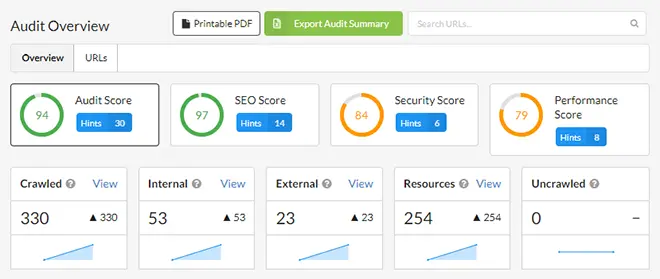
We run a detailed technical review across more than 100 checks, covering crawling and indexation, performance, mobile experience, internal linking, and structural issues. You get a clear, prioritised action plan so you know what to fix first and why it matters.
Site Performance Improvements
We reduce page weight and improve load times by optimising images, tidying CSS and JavaScript, improving caching behaviour, and removing avoidable render delays. Where appropriate, we also advise on delivery and edge caching setups to keep pages consistently quick for users in and around Peterborough.
Mobile Technical SEO
We make sure your site works smoothly on smartphones, with responsive layouts, readable typography, tap-friendly elements, and clean mobile navigation. We also address mobile-specific issues flagged in Search Console so key pages remain eligible to rank well on mobile.
Core Web Vitals Support
We improve the signals that feed into Google’s page experience systems, focusing on the metrics that typically cause problems in the real world. That includes optimising Largest Contentful Paint, reducing layout movement, and improving responsiveness so pages feel stable and fast.
Crawl Efficiency and Index Management
We refine your sitemap, robots directives, canonicals, and indexation controls so search engines reach your important pages quickly and avoid low-value areas. This is particularly useful for larger sites, service-led businesses, and ecommerce stores where unnecessary URL variants can create noise.
Site Architecture and Internal Linking
We structure your content in a sensible hierarchy, strengthen internal links between related pages, and improve click depth so priority services are easier to discover. This helps search engines understand what matters most, and helps users move through the site more naturally.
HTTPS and Security Checks
We ensure SSL is correctly implemented, eliminate mixed content warnings, and review common security-related technical issues that can undermine trust. We can also advise on hosting and configuration best practices to reduce risk and improve reliability.
Schema Markup Implementation
We add structured data that supports richer search listings where it is appropriate, such as FAQs, services, reviews, products, and organisational details. The aim is clearer meaning for search engines and stronger visibility on relevant queries.
URL Clean-Up and Redirect Mapping
We tidy messy URL structures, remove duplication caused by inconsistent paths, and implement 301 redirects correctly when pages move. Done properly, this consolidates authority and prevents users and search engines hitting dead ends.
Duplicate Content and Index Bloat Reduction
We tackle duplication caused by thin pages, filter parameters, tag archives, and multiple page variants. Using canonicals, noindex rules, and URL handling guidance, we keep your index focused on the pages that can genuinely rank and convert.
Website Migrations and Relaunch Support
If you are changing domains, restructuring URLs, or launching a new build, we manage the technical SEO side end to end. That includes pre-launch checks, redirect planning, tracking continuity, and post-launch validation to protect rankings and minimise traffic loss.
Ongoing Technical Monitoring
Technical issues can appear without warning, from accidental noindex tags to performance regressions after updates. We provide monthly or quarterly checks, monitoring key signals and flagging problems early so they can be resolved before they affect visibility.
Our Technical SEO work is focused on outcomes, not box-ticking. For Peterborough businesses that want dependable search performance, we fix the issues that block growth, improve the user experience, and keep your site technically strong as it evolves.
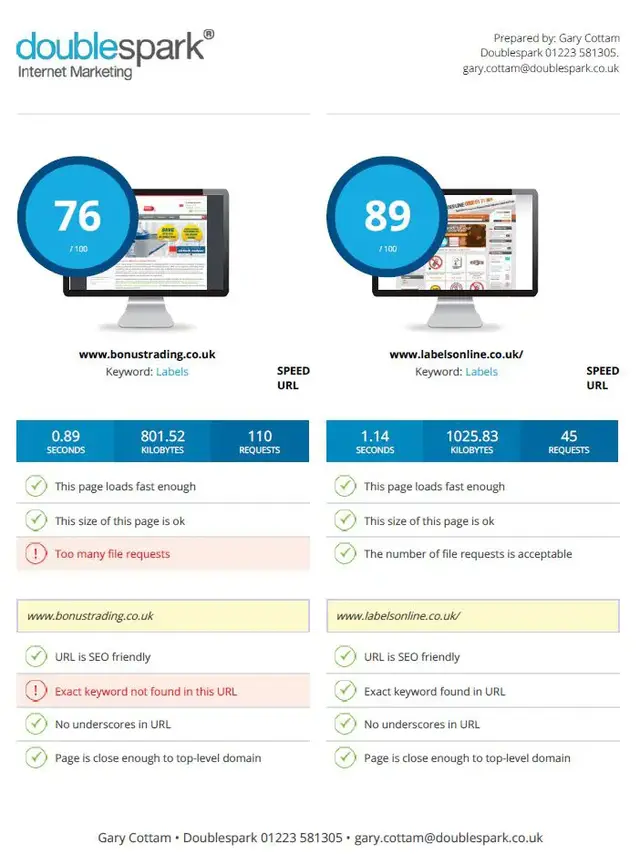
How Our Technical SEO Process Works
Our SEO audit process is built to give you a clear picture of what is helping or holding back your website, uncover the issues that are easy to miss, and produce a practical plan for stronger rankings and a better user experience.
Here’s what our technical audit workflow looks like:
-
Discovery Call
We begin by learning how your site supports your business, what you want it to achieve in Peterborough and beyond, and any known problems or limitations. This helps us focus the audit on what will make the biggest difference.
-
Full Technical Review
We run a deep technical assessment using industry tools and platform data, combining crawl analysis with Search Console insights. This highlights issues around crawl depth, indexation, internal linking, performance, and technical blockers.
-
Prioritised Fix List
You receive a structured report that sorts findings by severity and impact. Each recommendation explains what to change, why it matters, and what success looks like, so your team is not left guessing.
-
Implementation Guidance or Delivery
Depending on how you prefer to work, we can implement the fixes directly or collaborate with your developer or in-house team. Either way, we make sure the recommendations are translated into real actions, not just a document.
-
Quality Checks and Validation
After changes go live, we test and confirm results using performance and crawl validation methods. This includes checking that issues are resolved, no new problems have been introduced, and key pages remain crawlable and indexable.
-
Continuous Technical Maintenance
If you want ongoing support, we can carry out regular health checks to catch problems early. This is useful after platform updates, content releases, plugin changes, or site redesigns that can quietly introduce technical regressions.
From the first review to post-fix validation, our process is designed to give you confidence that your site is technically sound. With issues identified, prioritised, and dealt with properly, Peterborough businesses end up with a faster, more crawl-friendly website that is ready to compete in search.
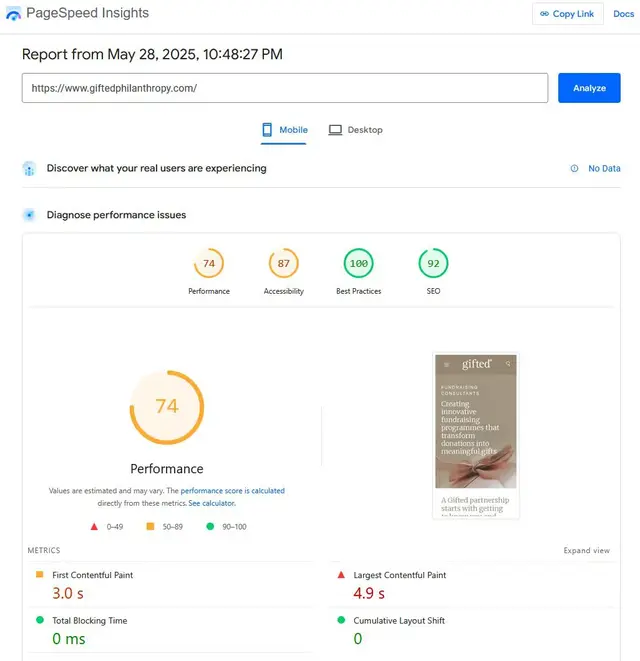
Recent Results
Technical SEO is what turns a decent website into one that search engines can crawl efficiently and users can navigate without friction. Here are a few examples of how our Peterborough-focused work has helped organisations remove technical barriers, improve performance, and open up new opportunities in search.
Client: Online Retailer – Peterborough
Problem: Slow mobile experience and inconsistent index coverage
Solution: Performance tuning, sitemap and internal linking improvements, canonical and duplicate clean-up
Result: +39% organic traffic in 12 weeks, load time improved by 1.6s
Client: Professional Services Firm – Peterborough
Problem: Visibility drop after a site rebuild and URL changes
Solution: Technical audit, redirect mapping fixes, indexation controls, crawl efficiency improvements
Result: Key rankings stabilised and then improved within 7 weeks
Client: Local Home Services – Peterborough
Problem: High drop-off on mobile and enquiries not converting from organic traffic
Solution: Mobile-first UX improvements, conversion path fixes, technical clean-up, and location-led on-page structure support
Result: 55% more enquiries and 33% higher mobile engagement in 6 weeks
Whether the issue is speed, indexation, or a migration that did not go to plan, our technical SEO services are designed to fix what is blocking growth and strengthen what is already working, so your website performs reliably across search.
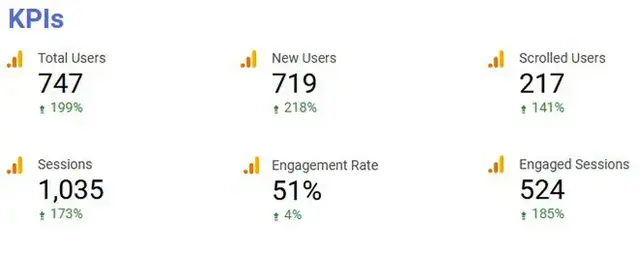
Tools & Technology We Use for Technical SEO
We base decisions on evidence, not assumptions. Our Technical SEO work is driven by data from trusted tools, combined with the experience to interpret what the numbers actually mean for your website.
Our toolkit includes:
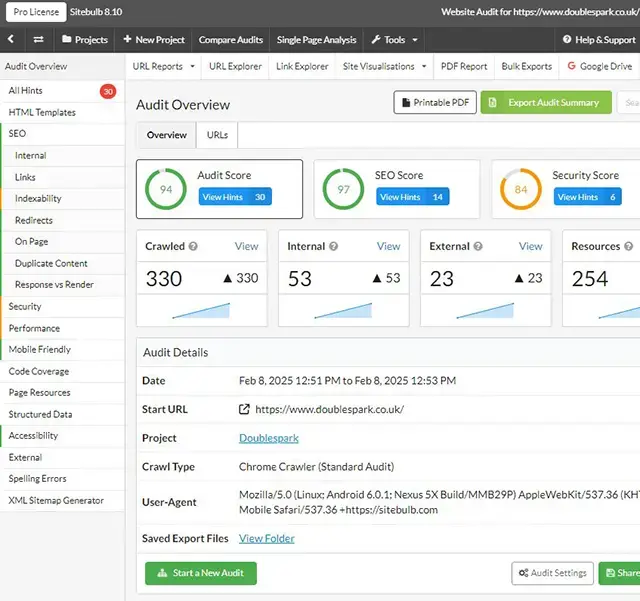
Screaming Frog and Sitebulb
For full-site crawls, technical diagnostics, architecture reviews, and internal linking analysis.
Google Search Console and Google Analytics
To track indexation and coverage, spot crawling issues, and understand how users behave once they land on your site.
PageSpeed Insights and Lighthouse
For Core Web Vitals measurement, performance scoring, and practical guidance on what is slowing pages down.
Ahrefs, Majestic and Semrush
To review backlink health, identify technical warning signs, and uncover signals that may be influencing visibility.
Caching and Delivery Configuration Tools
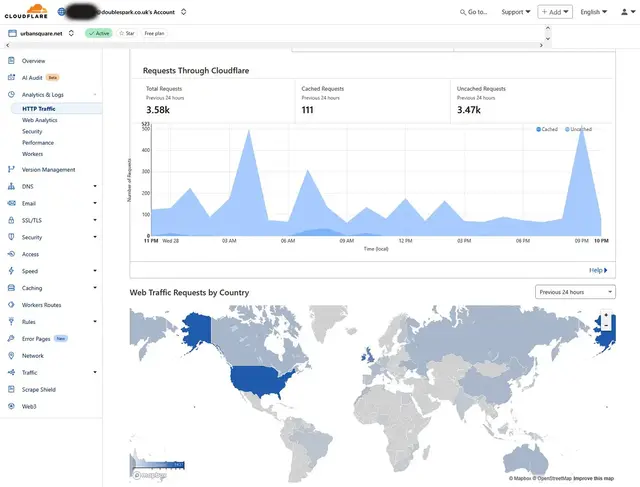
For speed improvements through caching controls, compression, and more efficient delivery of site assets.
Log File Analysis
To see how search engine bots actually crawl your site, where they spend time, and where crawl budget is being wasted.
Schema Testing and Validation
To validate structured data, confirm eligibility for rich results, and ensure markup is implemented cleanly across key templates.
Performance and Uptime Monitoring
For ongoing visibility into page speed trends, downtime, and server response issues that can affect users and rankings.
By combining these tools with hands-on technical SEO expertise, we do more than surface issues. We turn findings into a prioritised plan and implement fixes that improve speed, crawlability, and long-term search performance for Peterborough businesses.
Industries We Support
Technical SEO is a must for Peterborough businesses that want to compete in search, keep pages fast, and give visitors a smooth experience from the first click. Our Technical SEO services strengthen the foundations of your website so it performs properly for both users and search engines.
From local retailers and trades to professional services firms and expanding ecommerce brands, we support Peterborough organisations by fixing crawl issues, improving load speed, and building cleaner site structures that help search engines understand what matters most.
We pair thorough technical auditing with practical implementation, so recommendations turn into real improvements. The outcome is a website that loads quicker, is easier to crawl and index, and is built for long-term visibility. In a market where attention is hard to win, technical SEO is not optional, it is what keeps your site competitive.
-
Healthcare & Medical
-
Professional Services
-
Local Trades & Services
-
Education & Training
-
B2B Service Providers
-
SaaS & Technology Providers
-
Hospitality & Leisure
-
Legal & Financial Services
-
Property & Real Estate
-
Nonprofits & Charities
-
Entertainment & Media
-
Automotive
Local Technical SEO for Peterborough
Local rankings are not driven by content alone. Search engines also look for technical signals that confirm where your business is based and whether your website is reliable enough to show in local results.
Our Technical SEO services help your site perform better for local searches in Peterborough by:
- Making area and service pages easy to crawl, so Google can discover and prioritise them
- Standardising your NAP details (name, address and phone number) across the site to reduce confusion
- Adding local business schema to strengthen location relevance and support local search features
- Structuring URLs and navigation so Peterborough service pages sit in a clear, logical hierarchy
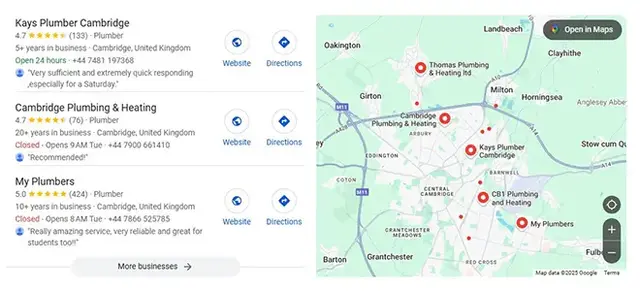
- Checking how your Google Business Profile connects to your site and improving the signals between them where appropriate
Whether you are based in central Peterborough, operating across surrounding areas, or serving customers across Cambridgeshire, we make sure your website sends clear technical location signals that support consistent local SEO performance.
Benefits of Technical SEO
Technical SEO is what makes your wider marketing efforts work harder, ensuring your site is quick, secure, and simple for search engines to access and interpret.
When the technical foundations are solid, the benefits compound over time across both rankings and user experience:
- Stronger Search Visibility
A clean structure and reliable crawl paths help Google understand your site and rank key pages more confidently - More Organic Visits
Better indexation and faster performance help attract higher-intent traffic that is more likely to convert - Quicker Page Loads
Reduced load times improve satisfaction and keep users moving through the site instead of dropping off - Better Mobile Experience
A site that works smoothly on phones supports both local visibility and engagement - Long-Term Resilience
Technical improvements reduce errors, minimise regressions after updates, and help your site stay stable as algorithms change
Investing in Technical SEO is an investment in long-term search reliability and better user experiences. For Peterborough businesses, it is the behind-the-scenes work that keeps performance consistent today and keeps your site competitive as search evolves.
Why Choose Doublespark for Technical SEO?
Doublespark is built for the technical side of SEO. We pair hands-on expertise with a measured, evidence-led process so improvements are not just visible in audits, they show up in real performance.
- Established expertise: Delivering search work for UK businesses since 2005, including organisations in and around Peterborough
- Technical capability you can trust: Confident across Screaming Frog, Sitebulb, Google Search Console, Lighthouse, and GTmetrix, plus log file analysis and schema validation
- Reporting that drives action: Clear findings, sensible priorities, and progress tracking that makes it obvious what is being fixed and why
- Local visibility knowledge: We understand the technical signals that support Peterborough service pages, local intent, and map-friendly relevance
- Solutions tailored to your platform: Every site has different constraints, so our recommendations fit your CMS, your development workflow, and your commercial goals
“Since working with Doublespark, organic traffic has grown significantly and the site feels quicker, cleaner, and easier to use. The technical changes were explained clearly and implemented without fuss.” – Client in Peterborough
From Core Web Vitals and crawl control to mobile usability, internal architecture, and schema, our Technical SEO work focuses on the foundations that influence rankings and conversions. If you want a partner that can diagnose issues properly and deliver fixes that stand up over time, Doublespark is ready to help your Peterborough website perform at its best.

What Our Clients Are Saying
5-Star Google Reviews That Reflect Our Commitment to Excellence
-
2 months ago
I have been with Doublespark since 2012. As a Cambridge SEO company they supported the online shop and the online marketing, helping more clients find and book our services. Gary has always been willing to help with any issues on the website and has been quick to respond when I have asked for any updates or changes to be made to the website. Highly Recommended
-
4 months ago
Great company to work with, on hand with tech queries and very proactive when an very rare issue arises.
-
6 months ago
Doublespark have looked after website maintenance and hosting for osteolabs since 2021. They keep the site running smoothly, deal with updates behind the scenes, and respond quickly whenever we need support.
-
8 months ago
most excellent people - helpful, knowledgeable and efficient.
-
9 months ago
Gary and the team at Doublespark are brilliant, we've worked together on a lot of very different digital marketing projects over a good many years. Always good results, always a good experience.


SEO Insights: Strategies, Trends and Tactics to Boost Organic Visibility

10 Search Strategies From BrightonSEO 2026
Ten things we brought back from brightonSEO 2026, from AI citation share to the conversion basics that still pay.

Optimising for Generative AI & Answer Engines
Discover how to optimise your SEO for AI Overviews and answer engines. Learn to adapt your content for generative results, build topical authority, and keep your brand visible in Google’s evolving search experience.
FAQs About Our Technical SEO Services
How Does Technical SEO Support Better Rankings and User Experience?
Technical SEO is the work that makes a website easy for search engines to access and reliable for people to use. Instead of focusing on writing new pages or earning links, it concentrates on the structure and behaviour of your site: how it loads, how it handles mobile visitors, how it presents signals to Google, and whether the correct pages are being indexed. When these fundamentals are right, your content has a fair chance to rank and your visitors are less likely to abandon the site before they enquire, buy, or book.
For Peterborough organisations, technical SEO often becomes important when growth stalls. You may have strong services, a good reputation locally, and a site that looks fine at first glance, yet enquiries from organic search remain inconsistent. In many cases, the issue is not that Google dislikes your business, it is that the website is sending mixed signals or creating friction. Pages might be slow on 4G, key service pages might be buried too deep in the navigation, or duplicate URLs might be competing with each other for the same searches.
A big part of technical SEO is crawlability. Search engines use automated systems to discover pages by following links and reading sitemaps. If important pages are blocked by robots rules, hidden behind scripts, or buried behind a confusing structure, they can be missed or treated as less important. Indexation is the next step. Even if a page can be crawled, it may not be indexed if Google sees it as a duplicate, low value, or part of a messy set of parameters. Technical SEO looks at these patterns and corrects them so your priority pages have the best chance of appearing in results.
Speed and stability also play a major role. Google has pushed the industry towards faster, more usable sites through performance metrics and page experience signals. A slow homepage, a heavy slider, uncompressed images, or third party scripts that delay rendering can all hurt engagement. When visitors tap back to results, the site sends a negative signal. Technical SEO tackles this by reducing unnecessary weight, improving caching behaviour, and making templates more efficient so pages feel quick and dependable.
Mobile usability is another core area. Many Peterborough searches happen on phones, especially for urgent services, shops, and local providers. If a menu is hard to use on a small screen, buttons are too close together, or forms are awkward, users drop off. Technical SEO includes reviewing layouts, resolving mobile errors reported in Search Console, and ensuring the site behaves consistently across common devices.
Security and trust are part of the picture too. Correct HTTPS setup protects users and prevents browser warnings. It also reduces technical problems such as mixed content, where some files still load over HTTP. Alongside this, technical SEO checks headers, canonical tags, redirect logic, and URL consistency. Seemingly minor mistakes, such as redirect chains or conflicting canonicals, can cause Google to waste crawl effort or index the wrong version of a page.
Finally, technical SEO helps search engines understand context. Structured data, when used appropriately, adds clear meaning about your organisation, services, and page types. Combined with a clean architecture and consistent internal linking, it improves the chances that the right Peterborough pages appear for the right intent.
In short, technical SEO is the foundation. It does not replace content or links, it makes them work properly. If you want reliable visibility in Peterborough and surrounding areas, strong technical health is what keeps rankings stable, improves user experience, and prevents hidden issues from quietly undermining growth.
How Quickly Can a Technical SEO Audit Be Completed?
The time needed for a technical SEO audit depends on what we are auditing and what you expect to get back. A quick automated scan can be produced in an hour, but it will not tell you which issues matter most, why they are happening, or what to do first. A proper audit is a structured investigation that combines crawl data, platform settings, analytics trends, and real world performance testing. That is why timeframes vary by site size, complexity, and the level of detail you want.
For a small brochure style website, typical for many Peterborough trades and professional services firms, an audit is often completed within around a working week. These sites usually have a manageable number of templates and pages, so we can crawl the full site, review Search Console coverage, test performance, and map out structural improvements without needing extended analysis. If the site has only a few dozen pages and a straightforward navigation, the turnaround can be quicker, but we still allow time to validate findings and produce a clear action plan.
Larger sites take longer because there is more to validate. Ecommerce stores, membership areas, multi-location businesses, and sites with lots of filters or parameter URLs can create thousands of crawlable variations. In these cases, we may need additional time to segment templates, identify which URLs should be indexed, and confirm how Googlebot is spending its crawl budget. A full audit for a complex site typically sits in the one to two week range, with the exact duration shaped by how many templates and page types need investigating.
Speed testing also affects the schedule. If you want Core Web Vitals analysis across key templates, we will test a representative set of pages, review field data where available, and then map issues to specific fixes. That might include investigating render blocking scripts, image delivery, font loading, and third party tags. Performance work is rarely one issue, one fix. It is usually a combination of changes that need to be prioritised so development time is spent where it has the best effect.
Access and cooperation can shorten the timeline. If we have early access to Search Console, analytics, your CMS, and hosting details, we can move faster. If key accounts are not available or the site blocks crawling in staging environments, we may need to adjust the plan. We also prefer to confirm whether recent changes, such as plugin updates or template edits, have coincided with performance drops. This context helps us diagnose the cause rather than guessing from symptoms.
What you receive at the end is another reason audits take time. We provide a prioritised action plan, not just a list of warnings. Each issue is explained in plain language, linked to the pages or templates affected, and matched to a suggested fix. Where relevant, we include examples of the correct setup and notes on how to test the change once implemented. The aim is to make it easy for your team to act quickly without needing to decode technical jargon.
If you are a Peterborough business working towards a launch date, a redesign, or a recovery plan after a ranking drop, we can align the audit schedule to your deadlines. The key point is that a meaningful technical SEO audit is not rushed. It is planned, verified, and written to be actionable, so the fixes you implement lead to measurable improvements in crawlability, speed, and indexation.
Will You Liaise With Our Developers to Apply the Technical Changes?
Yes. Technical SEO improvements often touch templates, code, server configuration, or CMS settings, so it is normal for a developer to be involved. Some fixes are simple, such as updating a sitemap or correcting a robots directive, but others may require changes to how pages are rendered, how assets are delivered, or how URLs are generated. Our approach is designed to fit into your workflow, whether you have an in-house team, a freelancer, or an agency building and maintaining the site.
We start by translating findings into developer-ready tasks. Instead of writing a report full of generic advice, we specify what is wrong, where it occurs, and what success looks like. For example, rather than saying “improve internal linking”, we would identify which templates need navigation changes, which pages should be promoted, and how to reduce click depth to priority Peterborough service pages. For performance issues, we document which files are heavy, which scripts delay rendering, and what changes are likely to produce the biggest improvement.
Communication matters as much as diagnosis. We are happy to join calls, respond by email, or walk through recommendations on a screen share. If your developers want to challenge an assumption or propose an alternative implementation, that is welcomed. The goal is not to force one method, it is to achieve the outcome in a way that is safe for the platform and realistic for your release schedule. On some CMSs you may have constraints, and we adapt recommendations so you get improvements without fighting the system.
Where helpful, we include references to authoritative documentation, such as Google guidance on canonical tags, redirects, structured data, and performance metrics. This reduces uncertainty and makes it easier for developers to implement changes with confidence. We also provide examples, such as a correct canonical pattern, a clean redirect mapping approach, or a schema snippet that matches the page type. These examples are tailored to your setup so they align with your templates and routing.
Implementation support also includes quality assurance. Many technical issues are fixed incorrectly, not because the developer is inexperienced, but because the site has edge cases. A redirect may work for one URL but fail for another. A noindex rule might be added to the wrong template. A caching change can improve speed for one page type but cause stale content elsewhere. We help by reviewing changes in staging where possible, testing them with crawl tools, and validating them once live. This reduces the risk of repeating work and helps you avoid accidental visibility losses.
For Peterborough businesses with limited development capacity, we can also help prioritise work so you get the biggest impact first. Not every warning is urgent. Some issues are noise, while others block indexing or harm performance at scale. We sort tasks into clear categories, such as critical blockers, high impact improvements, and longer term enhancements. This helps your team plan sprints and release changes in a controlled way.
Ultimately, collaboration is part of the service. You do not just receive a technical SEO audit and get left to interpret it. We work alongside your developers to make sure fixes are applied correctly, tested properly, and reflected in improved crawlability, faster pages, and stronger visibility in search.
Is Technical SEO Available as a One-Off Audit or as Ongoing Support?
We can work with you either way, and the right format usually depends on how often your website changes and how much technical support you want on hand. Some Peterborough organisations want a clear assessment and a defined set of fixes, then they prefer to implement the work through their own team. Others have sites that evolve constantly, with new pages, platform updates, marketing tags, and development releases that can introduce technical problems over time. In those cases, technical SEO works best as an ongoing programme rather than a single project.
If you want a detailed snapshot of your current technical health, a one-time Technical SEO Audit is often the best starting point. It covers crawlability, indexation, site structure, mobile usability, performance, and common technical errors. You receive a prioritised plan that explains what to fix first, what can wait, and what is likely to have the biggest impact. For many businesses, this is enough to remove the major blockers and create a stronger baseline for content and authority work.
A standalone audit is also ideal around key moments. If you are planning a redesign, launching new service pages for Peterborough, adding an ecommerce section, or investing in content, it makes sense to confirm that the site can support growth. Likewise, if you suspect problems such as pages disappearing from the index, warnings in Search Console, or a sudden drop in enquiries, an audit provides clarity and prevents wasted effort.
However, websites rarely stay still. Even if you do not make obvious changes, your CMS may update, a plugin may add new scripts, or a tracking tag may slow down pages. Content updates can create duplication, internal linking can drift, and new page types can appear without the correct index controls. These issues often build up quietly, then surface as performance drops or unstable rankings.
For continued improvement and stability, we also offer monthly or quarterly technical SEO retainers. These are designed to keep the technical side of your site healthy over time. A retainer typically includes scheduled health checks, monitoring of key signals, and proactive recommendations or fixes. We watch for changes in index coverage, crawl behaviour, and performance metrics. We also review the impact of releases and content changes, identify regressions early, and help you plan technical work in a way that fits your development schedule.
Ongoing support is particularly valuable for ecommerce and lead generation sites that depend on consistent organic traffic. If revenue relies on search visibility, it is risky to only discover technical problems after they have already caused a ranking dip. Regular checks help catch issues like accidental noindex tags, broken redirects, canonical conflicts, and template changes that introduce slow loading pages.
If you are unsure which approach fits, we base the recommendation on your website type, your team’s capacity, and your goals in Peterborough and beyond. The focus stays the same in both cases: a technically sound website that loads quickly, is easy to crawl and index, and supports long-term search performance.
Can a Technical SEO Audit Help After a Drop in Rankings?
It often can, especially when the decline is linked to technical changes or hidden issues that affect crawling, indexation, or user experience. Rankings do not always fall because content is poor or competitors suddenly gained links. A site can lose visibility because Google is no longer seeing the correct pages, because key templates slowed down, or because a migration introduced redirect problems. A technical audit is one of the quickest ways to identify whether the cause is structural rather than simply competitive.
When a Peterborough business tells us that enquiries have dipped or impressions are down, we first look for clues in Search Console and analytics. We check when the decline started and whether it aligns with a known site update, a new theme, a plugin change, or a platform release. We also review index coverage and crawling patterns. If Google is reporting spikes in errors, pages excluded by noindex, or canonical inconsistencies, that can point directly to the issue.
Common technical causes of ranking loss include problems like:
- Accidental noindex tags applied to important templates
- Canonical tags pointing to the wrong page version
- Slow mobile performance after design changes or script additions
- Internal links broken by URL changes or navigation edits
- Redirect errors introduced during a restructure or migration
We do not stop at listing issues. The audit aims to connect each technical fault to the likely impact. For example, if a group of service pages for Peterborough has been pushed deeper into the site after a menu change, we would show how that affects crawl depth and how to restore prominence. If parameter URLs have started to multiply, we would identify the pattern, explain how it creates index bloat, and propose a clean strategy using canonicals, robots rules, or URL handling controls. If performance dropped after a new script was added, we would trace the delay to the relevant asset and propose a fix that reduces load while keeping tracking intact.
It is also important to be realistic. A technical audit is not a magic switch that restores rankings overnight. If a site has thin content or weak authority, technical fixes alone may not fully recover visibility. However, technical issues can sabotage any other SEO work. Fixing them often stabilises performance and creates the conditions for content and authority work to deliver results.
In many recovery cases, the biggest win is simply removing barriers. If Google is struggling to crawl the site efficiently, or indexing the wrong URLs, then even great pages will fail to reach their potential. Once the technical foundation is corrected, we can usually see improvements in index coverage, crawling patterns, and page experience signals. That tends to translate into more consistent rankings over time.
If your Peterborough site has lost visibility, the best first step is to diagnose properly. A technical SEO audit provides that diagnosis, prioritises the fixes that are most likely to move the needle, and gives you a clear plan to regain stability and rebuild growth.
Which Website Platforms and CMSs Can You Audit and Optimise?
In practice, technical SEO is not tied to one platform. The principles are the same whether a site is built on a traditional CMS, an ecommerce platform, or a custom application. Search engines still need to crawl pages, interpret signals such as canonicals and structured data, and serve users fast, stable experiences on mobile. What changes from platform to platform is how you implement the fixes and what constraints you need to work around.
We support a wide range of setups used by Peterborough organisations. That includes common CMS options, ecommerce platforms, and bespoke builds. For example, we often work with:
- Contao
- WordPress
- WooCommerce
- Shopify
- Magento
- Joomla
- Wix
- Squarespace
- Webflow
- Custom-built platforms
The platform matters because it affects where technical problems typically appear. With a highly configurable CMS, you might have more freedom to adjust URL patterns, templates, and metadata, but you also have more ways to accidentally create duplication through tags, archives, and parameter variations. With a hosted ecommerce platform, you may have less control over certain URL rules, but there are still many opportunities to improve internal linking, indexation control, and performance through careful configuration.
Our audits are adapted to the environment. If you are on Contao, we will look closely at how page types, modules, and navigation are set up, and whether canonical tags and indexing controls are being generated correctly. If you are on Shopify, we pay close attention to collection pages, product variants, and internal link paths created by templates. For WordPress sites, we often check plugin interactions, crawlable archives, and how media files are handled. For custom builds or headless setups, we review routing, rendering, and how metadata and structured data are produced at scale.
We also factor in your hosting and infrastructure. Two sites on the same CMS can behave very differently depending on caching, image delivery, server configuration, and third party scripts. Technical SEO in Peterborough is rarely just “fix the CMS”. It is about making the whole delivery chain efficient and predictable so search engines and users get a good experience every time.
When it comes to implementation, we can either make changes ourselves where access allows, or provide precise instructions for your team. If your platform limits a particular improvement, we propose an alternative that achieves a similar result without fighting the system. The objective is always practical progress: fewer indexation issues, better performance, cleaner URLs, and a structure that supports your priority services.
If you are unsure whether your platform can support the outcomes you want, a technical audit is a good way to find out. It identifies what is possible within your current setup, what needs developer work, and what improvements can be achieved through configuration. Whatever you are running, we focus on making it technically sound so your Peterborough visibility has a stable foundation.
We also consider practical realities like staging environments, release cycles, and who owns what parts of the stack, so recommendations fit how your Peterborough site is actually managed.
Which Tools Do You Use to Diagnose Technical SEO Issues?
A reliable technical SEO audit is part tooling and part interpretation. Tools can surface patterns, but they cannot decide what should be indexed, which issues are most damaging, or what is practical to fix on your platform. That is why we use a suite of trusted systems to collect data, then apply manual analysis to turn that data into a clear plan for improvement. For Peterborough businesses, this approach prevents wasted effort on low value warnings and focuses attention on the changes that will improve crawlability, speed, and indexation.
We typically combine crawl tools with search platform data, performance testing, and monitoring. The exact mix depends on the site, but our core toolkit includes:
- Screaming Frog and Sitebulb to crawl the site, map internal linking, identify status code issues, detect duplicate URLs, and simulate how search engines discover content
- Google Search Console to review index coverage, crawl stats, Core Web Vitals signals, and search performance trends
- Google Analytics to understand how users behave once they land on pages, including engagement signals that often correlate with technical friction
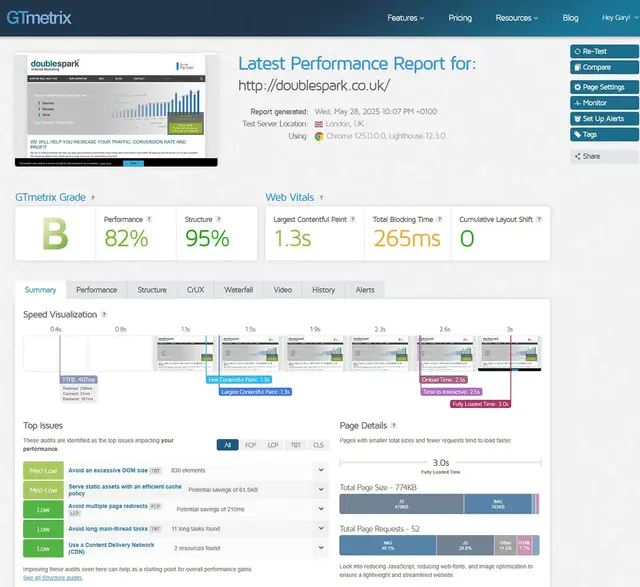
- PageSpeed Insights and Lighthouse to analyse performance and page experience on key templates, and to track improvements after changes are made
- Ahrefs, Majestic, and Semrush to review link health, identify technical warning indicators, and cross-check site visibility signals against competitors
- Structured Data Testing tools, including the Schema.org Validator, to confirm markup is valid and aligned to the page type
- Log File Analysis to see how bots actually crawl your site, which URLs they prioritise, and where crawl budget is being wasted
- GTmetrix and uptime monitoring platforms such as Site24x7 to track performance trends, server response behaviour, and availability over time
Tool output is only the starting point. A crawler might flag thousands of “duplicate titles”, but the real question is whether those pages should exist, whether they should be indexed, and whether the duplication is harmful or expected. Performance tools might suggest reducing JavaScript, but the important detail is which script is causing the delay and whether removing it breaks a feature that your business relies on. Search Console may show pages excluded as “duplicate”, but the fix can vary widely depending on the site and how those URLs are generated.
We also cross-check findings in the context of your market. If you have location-led pages targeting Peterborough areas or specific services, we review whether those pages are being crawled and indexed efficiently, whether internal links support them, and whether structured data and NAP consistency are reinforcing the local signals. This is where experience matters. The tools tell you what is happening, but not what it means for local visibility and conversion performance.
Because we validate changes, the same toolkit is used after implementation. We re-crawl to confirm redirects and canonicals are correct, retest performance to confirm real gains, and monitor coverage and crawling to ensure Google responds as expected. The result is a technical SEO process that is measured, repeatable, and focused on outcomes for Peterborough businesses, not just generating reports.
What Do Core Web Vitals Measure and How Do They Influence SEO?
Core Web Vitals are a set of performance signals that Google uses to assess how a page feels to real users. They do not judge whether your content is good or whether you have strong links. Instead, they focus on whether the page loads promptly, responds quickly, and stays visually stable while it loads. For many Peterborough businesses, Core Web Vitals become a turning point because a site can look modern but still feel sluggish on mobile data, which leads to fewer enquiries and weaker organic performance.
Google introduced these metrics to encourage site owners to reduce friction. If a page takes too long to display its main content, users lose patience. If a tap or click feels delayed, users assume the site is broken. If buttons jump around because elements load late, users make mistakes and abandon the page. Core Web Vitals are designed to capture these common frustrations in measurable form.
The three metrics you will most often hear about are:
- LCP (Largest Contentful Paint): how quickly the main content loads, which is usually a hero image, heading, or key block of text
- FID (First Input Delay): how quickly the page reacts to the first user interaction, such as tapping a menu or clicking a button
- CLS (Cumulative Layout Shift): how stable the layout is, measuring whether elements move unexpectedly during loading
These metrics matter for SEO because performance and usability influence behaviour, and behaviour influences outcomes. Google has confirmed that page experience signals are used in ranking systems, particularly for mobile results. In a competitive local market like Peterborough, where multiple businesses may offer similar services, performance can be the difference between a page that holds attention and one that loses visitors back to the results.
Improving Core Web Vitals is not about chasing a perfect score on a lab test. It is about making pages feel fast and dependable for real visitors. We start by identifying which templates are underperforming. A homepage might be slow because of unoptimised images, while a service page might have layout shift caused by late-loading fonts. An ecommerce category page might be heavy because it loads too many scripts for filtering features. The fix depends on the cause, not the score.
Typical improvements include compressing and correctly sizing images, reducing render blocking resources, deferring non-critical scripts, and improving caching and asset delivery. We also look at how fonts are loaded, whether third party tags are delaying interaction, and whether layout movement is caused by missing size attributes or late-loading components. Sometimes the best improvement is simplifying a template so the browser can paint the main content sooner.
Once changes are made, we validate results using performance tools and, where available, field data that reflects real user experiences. The goal is measurable improvement that visitors in Peterborough actually feel, not just a report that looks better. When Core Web Vitals improve, sites often see lower bounce rates, better engagement, and more consistent organic visibility, because the pages are easier to use and more likely to satisfy search intent.
Do You Provide Technical SEO for Ecommerce Websites in Peterborough?
Yes. Ecommerce sites benefit hugely from technical SEO because they often generate large numbers of URLs, rely on heavy imagery, and use complex templates that can create duplication or slow performance. For Peterborough retailers selling online, the technical side can be the difference between product pages that are consistently indexed and visible, and a site that struggles to get its best inventory in front of searchers.
We work with a range of ecommerce platforms, including Isotope, Shopify, WooCommerce, Magento, BigCommerce, as well as custom-built stores. Regardless of platform, the goals are the same: clean indexation, efficient crawling, strong performance, and clear signals that help product and category pages rank.
Ecommerce introduces specific challenges that brochure sites rarely face. Faceted navigation can create parameter URLs for filters such as size, colour, brand, or price range. These URLs can multiply fast, and if they are crawlable and indexable, Google may spend time on low value combinations instead of prioritising your core category and product pages. Product variants and sorting options can create near-duplicate pages, which dilutes signals and can cause the wrong URLs to rank.
We also see duplication caused by collections, tags, and internal search results. If the site allows multiple paths to the same product, you can end up with many URLs competing with each other. Technical SEO resolves this through a clean indexation strategy: deciding which page types should be indexed, implementing canonical rules, controlling crawl paths, and ensuring sitemaps surface the URLs you actually want to rank.
Speed is another major factor. Ecommerce pages often load large images, third party scripts for reviews, and tracking tags for ads. On mobile, this can slow down the browsing experience and hurt conversion rate. We improve performance by optimising images, reducing unnecessary scripts, improving caching, and making template changes that allow the main content to load sooner. We also review Core Web Vitals across key templates like home, category, product, basket, and checkout, because performance is not only an SEO concern, it is a sales concern.
Technical SEO for ecommerce also includes structured data. Product schema can help search engines understand price, availability, and reviews. When implemented correctly, it can support richer listings and better click-through rates. We validate schema and ensure it is aligned with what is actually displayed on the page, avoiding errors that can suppress enhancements.
We pay particular attention to pagination and category handling. Poorly implemented pagination can strand products beyond page one, while infinite scroll can hide links that crawlers depend on. We also check how out-of-stock products are handled. Removing items too quickly can create unnecessary 404s and lose the authority those URLs have earned. Where a product is temporarily unavailable, it is often better to keep the page live with clear messaging, relevant alternatives, and accurate structured data. If an item is permanently discontinued, we advise on the cleanest option, such as a 301 redirect to the closest equivalent, a 410 status where appropriate, or keeping the page as a reference when it still attracts search demand. This scenario is common for Peterborough retailers with seasonal stock and changing ranges.
Finally, we look at internal linking and site architecture. Many stores have deep catalogues, and important products can become buried. We review category structure, breadcrumb trails, and internal links so search engines can crawl efficiently and users can navigate intuitively. For Peterborough ecommerce brands competing nationally, this combination of index control, speed, and architecture is what allows organic traffic to grow without being held back by technical debt.
Can Technical SEO Protect Rankings During a Redesign or Site Migration?
Yes, and it is one of the most valuable times to involve technical SEO. A redesign or migration is not just a visual change. It often alters URLs, templates, internal links, and the way pages are generated, which can affect how search engines crawl and index the site. For Peterborough businesses that rely on organic enquiries, a poorly planned change can cause a sudden drop in visibility that takes months to repair. With the right technical process, you can launch confidently while protecting the value you have already built.
Migrations come in many forms. You might be changing domains, moving to a new CMS, switching ecommerce platforms, or rebuilding the site architecture. Even a “simple” redesign can create risk if it changes heading structure, navigation, or how content is served to crawlers. The most common cause of traffic loss is broken continuity. If search engines cannot follow the old URLs to their new equivalents, the authority those pages earned is diluted or lost.
Our approach starts before any launch. We run a pre-migration audit to establish a baseline, identify existing technical problems, and confirm which URLs currently drive traffic and links. This prevents accidental removal of valuable pages and helps you avoid carrying technical debt into the new build. We then create a redirect plan that maps old URLs to new ones. This is not a generic rule, it is a deliberate map that preserves intent. A service page that used to rank for Peterborough queries should land on the most relevant replacement, not a homepage or a loosely related category.
We also review staging environments. This includes checking that the new site is crawlable for testing purposes but protected from indexation until launch. We verify robots rules, canonical behaviour, and noindex settings so the staging site does not compete with the live site. We check template output for key elements such as titles, internal links, pagination handling, and structured data. We also test performance early, because launches often introduce heavier templates that harm Core Web Vitals.
At launch, we validate the change. We crawl the site to confirm redirects return the correct status codes, avoid chains, and do not accidentally create loops. We check that sitemaps have been updated and submitted, and that important pages return the correct canonical version. We review Search Console for spikes in crawl errors and coverage exclusions. Where needed, we adjust quickly so issues do not linger long enough to impact rankings.
After launch, monitoring continues. It is normal to see short term fluctuations, but significant drops can often be traced to specific technical faults, such as missing redirects, incorrect canonicals, or sections that became harder to discover through internal links. By tracking crawling, indexation, and performance, we can resolve problems while the site is still fresh in Google’s processing.
For Peterborough organisations, the goal is simple: launch the new site without sacrificing the visibility you have already earned. Technical SEO provides the plan, the checks, and the validation that keep risk under control, so your redesign or migration supports growth instead of undermining it.
More Of Our SEO Services
Serious about growth? Our SEO and web services are built to deliver. Explore what we can do for your business.