The Web Development Agency
Peterborough Businesses
Choose for Reliability
Slow, fragile websites cost Peterborough businesses sales and time. We develop fast, secure sites with clean code that your team can manage and your business can keep building on.
Build a Faster, Stronger Website with Expert Development
Tell us what your current site is struggling with, whether that's slow pages or a CMS your team has grown to dread, and we'll rebuild the parts that matter. Development sits inside our wider Peterborough Web design agency, so design and development stay properly aligned.
Explore Key Sections of This Page
What Is Website Development?
Website development is the technical work involved in building, programming, and maintaining a website. It covers everything from writing reliable code and connecting data sources to improving security, mobile responsiveness, and long-term scalability.
Development is more than how a site looks. It is what makes pages load quickly, features behave properly, and content easy to manage behind the scenes. Our developers build websites for Peterborough organisations using modern tools and proven approaches so every project delivers strong performance, stability, and flexibility.
- Custom builds and modern frameworks – Tailored solutions using platforms and approaches such as Laravel, Next.js, and headless CMS architectures
- Backend development – Secure, well-structured systems built with PHP, Node.js, Python, and related technologies
- Frontend engineering – Smooth, accessible user experiences created with HTML5, CSS3, JavaScript, and frameworks like React or Vue
- Security and compliance – Development practices aligned with GDPR requirements, WCAG accessibility, and relevant sector standards
- Version control and automated deployment – Git-based workflows with CI/CD for safer releases and faster collaboration
Strong web development is not just about writing code. It is about delivering fast, secure, and scalable digital experiences that support real business goals.
Why Website Development Matters
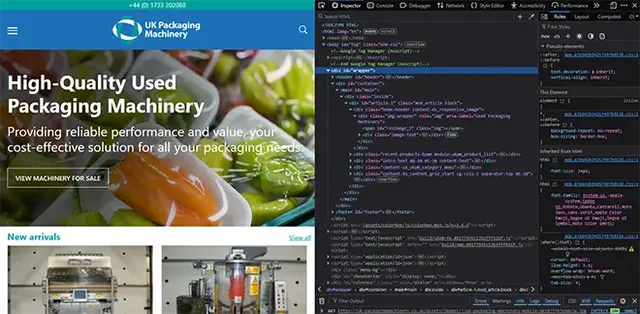
Around six in ten consumers will abandon a purchase if a website feels slow, awkward to use, or unreliable.
For Peterborough businesses, strong development is what keeps a site accessible, fast, and ready to scale, creating a smooth experience that helps visitors stay engaged and take action.
- Improves visibility: Well-structured code supports better crawlability, performance signals, and mobile-first indexing
- Increases engagement: Quick load times and responsive features reduce drop-offs and keep users exploring
- Strengthens conversions: Fast, stable pages make it easier for people to enquire, book, or buy
- Supports accessibility: Development choices that work for all users, including people with impairments
- Built to scale: Flexible foundations that handle growth, new features, and rising traffic
“60% of consumers say they abandon purchases due to poor website user experience.”
Do not let weak development hold your site back - invest in a foundation that is fast, secure, and built to perform.
Our Website Development Services
Whether you are launching a new website in Peterborough, building a bespoke application, or improving an existing platform, our development services cover the essentials needed to create fast, reliable, user-first digital systems.
Bespoke Web Applications
We build tailored applications that tackle specific operational challenges, streamline workflows, and scale as demand increases.
Frontend and Backend Development
From clean, intuitive interfaces through to robust back-end systems, we develop end-to-end solutions designed for smooth performance.
Secure Web Development
Security is built into the work from the start, with sensible safeguards to reduce risk, prevent common vulnerabilities, and support compliance.
Responsive Web Development
We develop websites that adapt properly across mobile, tablet, and desktop, delivering a consistent experience for every visitor.
CMS Development and Integration
We customise and integrate content management systems including Contao, WordPress, Magento, and Craft, giving your team practical control over content and publishing.
Performance Improvements
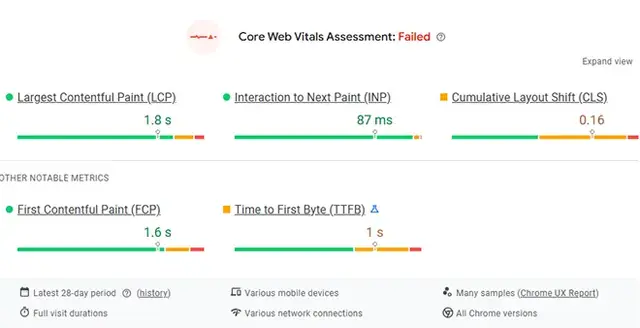
We reduce page weight, tighten up assets, and improve load speed so your site feels snappy across devices and connections.
API Development and Integrations
If you need your website to connect with third-party tools, CRMs, payment providers, or internal systems, we build and integrate APIs that extend what your platform can do.
Conversion-Led Site Architecture
We structure pages and user journeys to support enquiries and sales, with clear pathways, fast loading steps, and logical calls to action.
Every development service we deliver is built around speed, flexibility, and scalability so your website can grow alongside your Peterborough business.
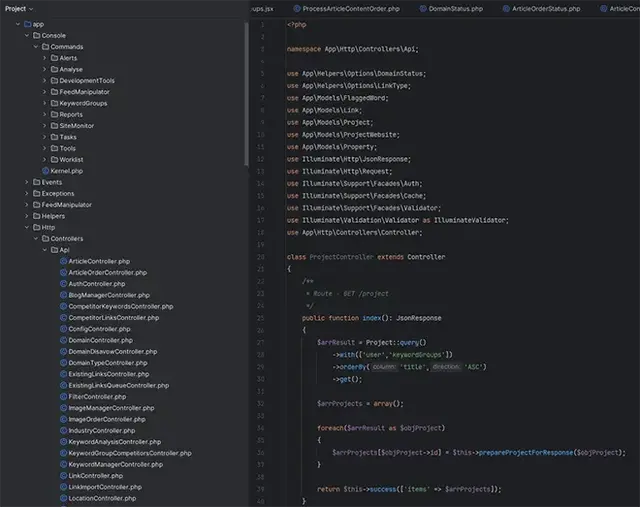
Our work
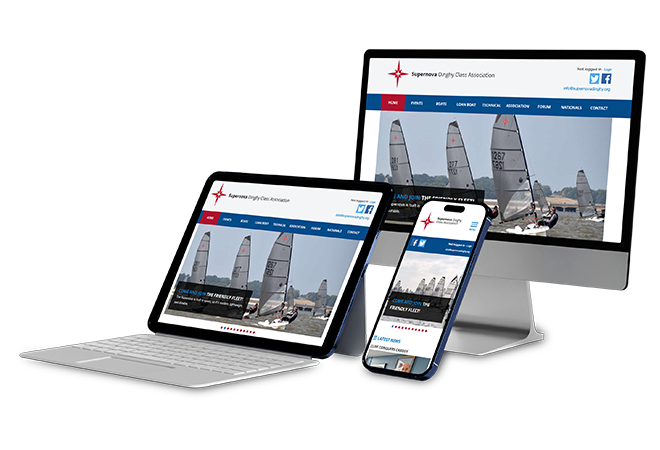
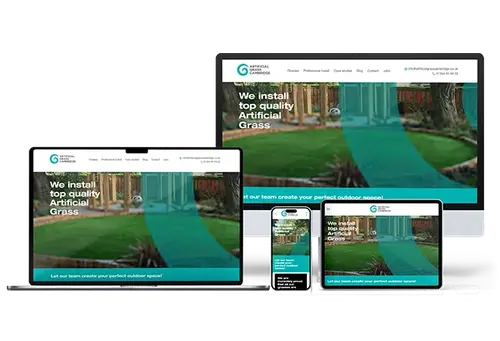
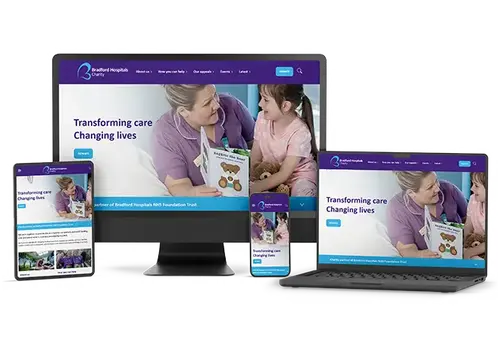
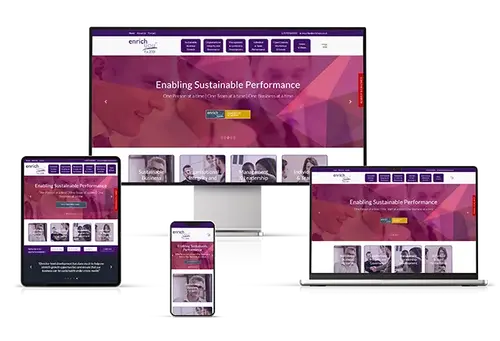
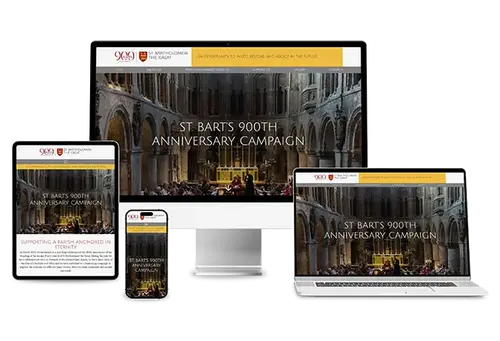
A selection of some of the websites we have designed, programmed, maintain or currently host:






















Our Website Development Process
From first ideas through to go-live, our structured web development approach keeps your Peterborough project on track, built to specification, and ready to perform from day one.
Here is how we deliver secure, scalable, high-performing websites:
-
Discovery and Planning
We start with a detailed consultation to understand your organisation, objectives, audience, and functional requirements, setting clear priorities for the build.
-
Technical Blueprint
We map out the architecture, including user journeys, data structure, integrations, and application logic, so the site is easy to use, easy to maintain, and ready to scale.
-
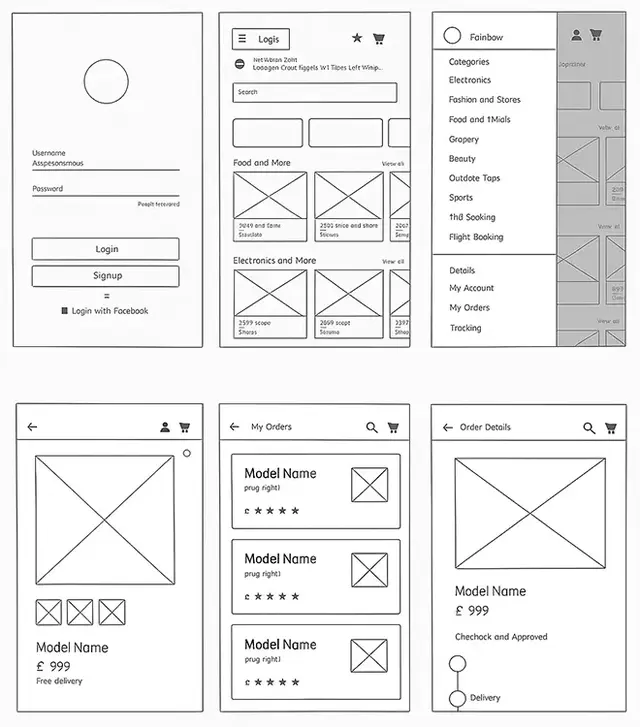
Prototypes and Wireframes
We create wireframes and clickable prototypes to confirm page layouts and key interactions early, so feedback is captured before development begins.
-
Build and Implementation
Using modern frameworks and clean coding standards, we develop the frontend and backend with an emphasis on speed, responsiveness, and security.
-
Quality Assurance
We test across browsers, devices, and screen sizes, fixing issues and refining performance, accessibility, and usability until everything works as it should.
-
Launch and Ongoing Support
After launch, we keep an eye on site health, provide performance insight, and support updates and improvements as your needs change over time.
Every stage is delivered with clear communication, accountability, and a focus on long-term quality.
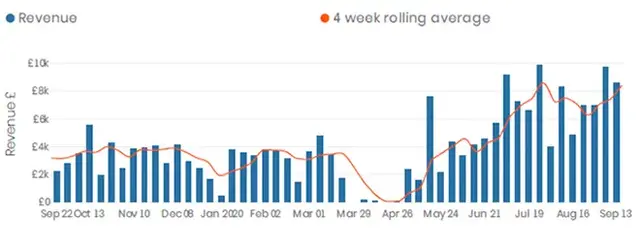
Recent Results
Our tailored website development services are designed to fix speed, scalability, and user experience issues through clean builds, modern frameworks, and properly integrated systems.
Client: Estate Agency Platform – Peterborough
Problem: Outdated platform struggling with growth and day-to-day admin tasks
Solution: Custom Laravel application with a full CMS and API synchronisation
Result: 50% quicker property uploads and a 68% uplift in mobile enquiries
Client: Ecommerce Retailer – Peterborough
Problem: Heavy theme and slow scripts increasing basket drop-off
Solution: Lightweight theme rebuild with JavaScript and asset optimisation
Result: Checkout drop-off reduced by 44%, online revenue up 29%
Client: Legal Practice – Peterborough
Problem: Static site with limited content control and poor mobile usability
Solution: Headless CMS setup with a responsive rebuild and improved templates
Result: 57% more organic traffic and a 39% increase in qualified leads
From bespoke applications to scalable ecommerce builds, these examples show how smart development translates into measurable outcomes. If you are replacing a legacy system or starting fresh in Peterborough, we build fast, dependable websites that are ready to grow with your business.
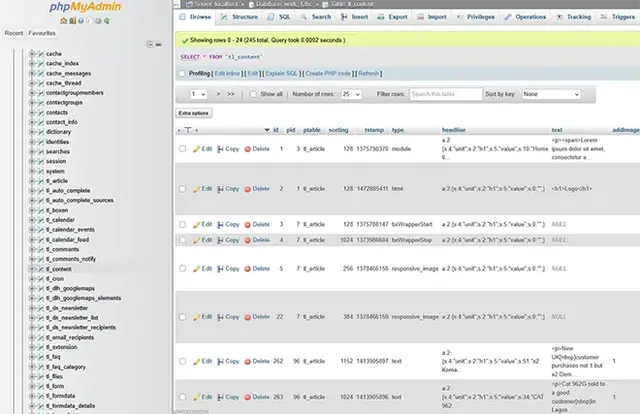
Tools & Technology We Use for Website Development
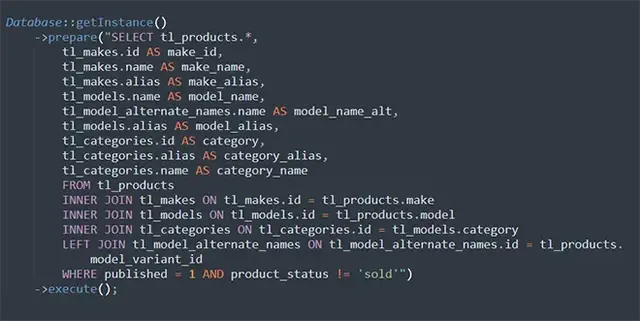
We avoid guesswork. Our website development work for Peterborough businesses is built on a modern, proven stack chosen for speed, flexibility, and scalability.
Our toolkit typically includes:
- Frontend: HTML5, CSS3, JavaScript, React, Vue
For building responsive interfaces that feel smooth on mobile, tablet, and desktop - Backend: PHP, Node.js, Python, Laravel, Express
Reliable server-side technologies for secure processing, fast performance, and scalable functionality - CMS Platforms: Contao, WordPress, Magento and more
Flexible content management systems that support custom publishing workflows and ongoing updates - Databases: MySQL, PostgreSQL, MongoDB
Data storage options selected to suit your structure, content volume, and growth plans - APIs: REST, GraphQL, third-party integrations
Connecting tools and systems, automating tasks, and enabling smooth data exchange - Hosting: Krystal, AWS, DigitalOcean, Cloudways
Cloud infrastructure designed for stability, fast response times, and dependable uptime - Development Tools: GitHub, Bitbucket, Webpack, Docker
Modern tooling for version control, build optimisation, and safer deployments
We keep our stack current, so your website stays future-ready as technology and user expectations move on.
Industries We Support
We build fast, scalable websites for organisations across Peterborough and beyond, tailoring each build to the practical needs of the sector and the expectations of your customers.
Our web development experience covers industries including:
- Ecommerce
High-performing online stores built for secure payments, smooth browsing, and strong conversion rates as your product range and traffic grow. - B2B Service Businesses
Web platforms that support lead generation, qualification, and enquiry handling, with functionality shaped around how your team actually works. - Local Businesses and Trades
Responsive websites with booking and enquiry journeys, service area content, and integrations that help local customers find and contact you quickly. - SaaS and Technology Firms
Fast-loading, integration-ready sites that communicate your value clearly and support onboarding flows, demos, and account journeys. - Healthcare and Medical
Accessibility-aware websites with GDPR-conscious handling of data, plus features such as appointment requests and clear service information. - Legal and Financial Services
Secure, professional sites built to build trust, capture enquiries, and support compliance-focused features such as document sharing and structured forms. - Multi-site and Franchise Organisations
Modular website structures that support branch-level content while keeping branding, design, and governance consistent.
Whatever your sector, we focus on development that delivers speed, security, and a friction-free user experience.
-
Professional Services
-
Hospitality & Leisure
-
Property & Real Estate
-
Beauty & Cosmetics
-
Healthcare & Medical
-
B2B Service Providers
-
Legal & Financial Services
-
Logistics & Transport
-
App & Software Developers
-
Nonprofits & Charities
-
Entertainment & Media
-
Environmental & Sustainability
-
Local Trades & Services
-
SaaS & Technology Providers
-
Manufacturing & Industrial
-
Travel, Tourism & Attractions
Local Website Development for Peterborough Businesses
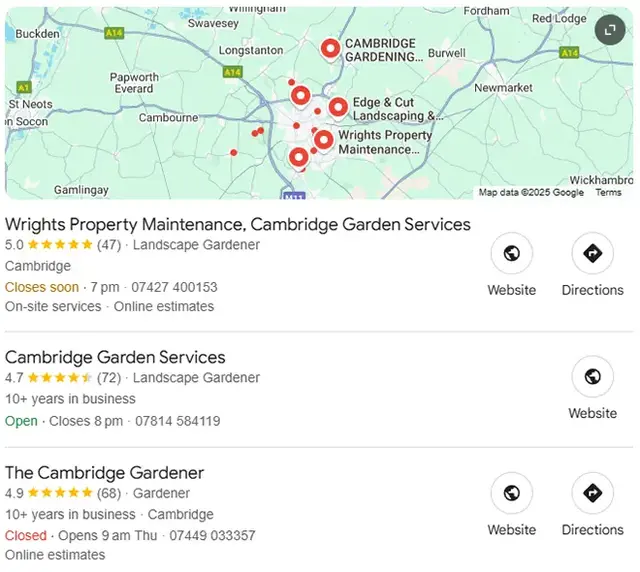
Your location matters, and your website should communicate it clearly. We develop locally optimised websites that help Peterborough businesses connect with nearby customers and appear in the local searches that drive calls, enquiries, and footfall.
- Better crawlability for local service pages
We structure your website so search engines can easily find and index content tied to specific areas of Peterborough and the services you provide. - Consistent NAP implementation
We add your business name, address, and phone number in a consistent way across the site to improve trust signals and local SEO accuracy. - Local business schema integration
Structured data helps strengthen your visibility in map results, rich listings, and other location-based search features. - SEO-friendly local URL structure
We build clean, scalable URLs that support location and service pages without compromising speed or site performance. - Google Business Profile alignment
We ensure your website content matches your Google Business Profile details, supporting stronger local credibility and higher-quality traffic.
Whether you serve customers in the city centre, Hampton, Werrington, Orton, or the surrounding villages, we will build a website that is ready to compete locally and convert.
Benefits of Expert Website Development
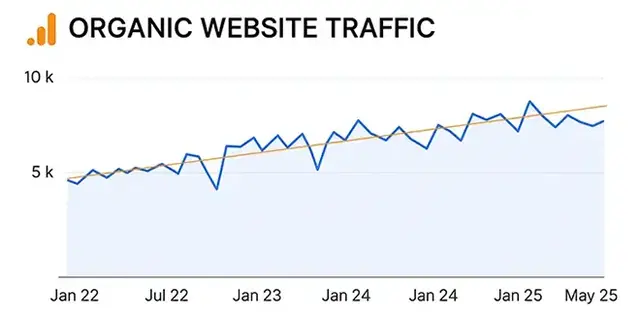
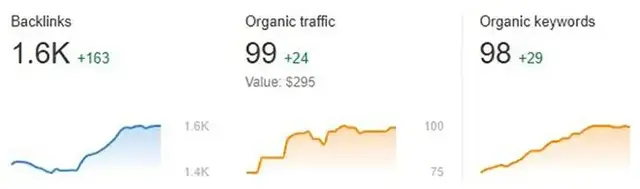
Every high-performing website is built on solid technical foundations. Our website development work focuses on more than appearance, delivering the speed, structure, and scalability Peterborough businesses need to grow online.
- Improved Search Visibility
A well-built website is easier for search engines to crawl and index, helping you compete more effectively in Peterborough and wider markets. - More Relevant Organic Traffic
From clean code to structured data and sensible internal linking, our builds support stronger SEO performance and attract higher-intent visitors. - Faster Page Speed
We keep code lean, optimise assets, and prioritise performance so pages load quickly and feel responsive. - Stronger Mobile Experience
Responsive development is baked in, ensuring your site works smoothly on mobiles, tablets, and desktops without compromise. - Long-Term Stability and Scalability
We build with maintainability in mind, reducing common technical issues and making it easier to add new features as your business grows.
From the first build through to future upgrades, our websites are designed to perform consistently as your Peterborough business develops.
Why Choose Doublespark for Peterborough Website Development?
We are not just developers. We are strategic partners who understand what it takes to build websites that perform, scale, and generate measurable results.
- Longstanding Experience
We have been building high-performing websites for organisations in Peterborough and across the UK since 2005. - Modern Technical Capability
Our developers work confidently with current frameworks, performance improvements, and secure coding practices that help your site run faster and more reliably. - Clear, Accountable Project Delivery
From scoping through to launch, you get straightforward timelines, practical documentation, and regular progress updates. - Peterborough Market Understanding
We know what local customers look for and how to structure a site so it supports visibility, trust, and engagement in the Peterborough area. - Development Built Around Your Goals
No generic templates and no shortcuts. Every build is shaped around your audience, functionality needs, and long-term growth plans.
“Since working with Doublespark, our site feels significantly faster, far easier to manage, and the uplift in enquiries has been clear.” – Client in Peterborough

What Our Clients Are Saying
5-Star Google Reviews That Reflect Our Commitment to Excellence
-
2 months ago
I got Gary at DoubleSpark to overhaul my website as it wasn't performing very well. It has now been transformed and performing really well. We have been getting lots of leads from it. DoubleSpark have done a brilliant job. Thank you.
-
3 months ago
I had a great experience with Doublespark Internet Marketing. The team is knowledgeable, professional, and genuinely focused on delivering results. They took the time to understand my business needs and provided clear, effective strategies that made a noticeable difference.
-
5 months ago
I have been with Doublespark since 2012. As a Cambridge SEO company they supported the online shop and the online marketing, helping more clients find and book our services. Gary has always been willing to help with any issues on the website and has been quick to respond when I have asked for any updates or changes to be made to the website. Highly Recommended
-
8 months ago
Great company to work with, on hand with tech queries and very proactive when an very rare issue arises.
-
9 months ago
Doublespark have looked after website maintenance and hosting for osteolabs since 2021. They keep the site running smoothly, deal with updates behind the scenes, and respond quickly whenever we need support.


Website Design News, Trends and Insights Shaping Digital Experience

The Figma Web Design Process
Figma brings clarity to the parts of a website project that often cause friction. Instead of static PDFs and scattered emails, everyone works in a shared space with live designs, pinned comments, and clickable journeys.

How AI Is Redefining Web Design
AI has moved from being a back‑office helper to becoming part of the user experience itself. This long‑form guide explains how AI is influencing website design and development today, with practical examples.
FAQs About Our Peterborough Website Development Services
What Happens During A Typical Website Development Project?
Getting clear on what a website development project includes makes planning easier and helps you avoid surprises. Whether you are a small business in Peterborough launching your first proper site, or an established organisation replacing an older platform, a successful build follows a structured path. The aim is not just to produce attractive pages, but to deliver a dependable system that supports your marketing, operations, and future growth.
Discovery And Requirements
Most projects start with discovery, where we gather the information that shapes the build. We look at what the website must achieve, who it is for, which features matter most, and what success should look like. This stage also includes reviewing any existing site, analytics, competitor context, and practical constraints such as internal approvals or third party systems. The output is a written scope, priorities, and a plan that sets expectations for everyone involved.
Structure, Content, And User Journeys
Before development begins, we map the structure of the site and the journeys visitors should follow. For a Peterborough service business, that might mean clear pathways from local landing pages to enquiry forms. For ecommerce, it might focus on category navigation, filtering, and a smooth checkout. We also agree what content exists, what needs rewriting, and what needs creating. If content is not ready, we plan around it so the project still moves forward without building pages that later have to be dismantled.
Design, Wireframes, And Prototypes
Wireframes help confirm layout and information hierarchy without getting distracted by colours and styling. Where useful, we also provide prototypes so you can click through key screens and provide feedback early. This reduces costly changes later, because functionality and user flow are confirmed before the build becomes more complex. It also helps ensure the design supports accessibility and usability from the start, rather than being patched after launch.
Development And Integrations
The development phase is where the frontend and backend come together. Frontend work covers templates, components, and interaction behaviour. Backend work covers content management, data handling, forms, integrations, and any custom logic. For many Peterborough organisations, this is where CRM connections, booking systems, stock feeds, or payment providers are integrated. Good development includes security controls, sensible permissions, and an approach that keeps future changes manageable.
Testing, Refinement, And Launch
Quality assurance checks the site across browsers and devices, and it verifies the important journeys such as contact forms, checkout, downloads, or logins. We also assess accessibility, page speed, tracking, and SEO essentials such as redirects and indexing controls. Launch includes deployment to the live environment, final checks, and monitoring. A well-managed launch is calm and predictable because risk has been reduced through planning and testing.
Post Launch Support
After go live, there is usually a period of support to handle small adjustments and ensure everything remains stable. This can include monitoring, training, documentation, and a roadmap of improvements based on real user behaviour. That might mean refining navigation, adding new landing pages for Peterborough areas you serve, or improving performance as traffic increases.
A development project is not simply building pages. It is the process of creating a reliable, high-performing platform that supports your business objectives.
How Long Should It Take To Build A Custom Website?
Custom website timelines vary because not all websites are the same. A simple brochure site for a Peterborough trades business will naturally take less time than a platform with ecommerce, user accounts, bookings, or multiple integrations. The most useful way to think about timing is to break the work into stages and understand what influences each one. When you know where time is spent, you can plan internal resource and approvals properly.
Scope And Complexity
The number of templates, the depth of content, and the level of custom functionality are the biggest drivers. A small site with a handful of pages, a contact form, and basic content editing is quicker than a site requiring advanced filtering, membership areas, product feeds, or multi-step forms. Integrations can also extend timelines, especially if third party systems have limitations, slow support, or unclear documentation.
Discovery And Specification
Discovery often takes one to two weeks, depending on how quickly stakeholders can provide input. This stage includes clarifying goals, agreeing page types, defining key features, and mapping user journeys. If the brief is clear and decision-makers are available, this stage moves quickly. If requirements are still forming, discovery can take longer, but it usually saves time later because it prevents costly redesigns and rebuilds.
Design And Prototyping
Design typically takes two to four weeks, depending on how many page types are required and how many review rounds are needed. Wireframes and prototypes speed up decision-making because you can see how information and features will work before development begins. If you have brand guidelines, approved messaging, and clear examples of what you like, design time is reduced. If branding is changing or content is still being written, the timeline will expand.
Build Phase
Development commonly takes three to ten weeks. A straightforward site might sit at the lower end of that range. More complex builds, especially those involving ecommerce, booking logic, custom dashboards, or heavy integration work, will sit at the higher end. The build phase also includes setting up content editing, user roles, form handling, and any automation you need. A good build includes performance considerations and security controls as part of the work, not as afterthoughts.
Testing, Feedback, And Content Load
Testing and refinement usually add one to two weeks, though it can be longer if feedback is delayed or content is not ready. Content is often the hidden factor that slows projects down. If pages cannot be signed off because text and images are missing, the site may be technically ready but not launchable. A sensible process schedules content delivery and approvals so the final stages do not stall.
Launch And Handover
Launch and handover often take up to a week, including final checks, deployment, tracking verification, and training. If the launch requires complex migrations, large redirect maps, or changes to hosting and DNS, that can add time, but it is manageable with planning.
Most custom website builds fall within 8 to 14 weeks from kickoff to launch, but clear input and timely approvals make the biggest difference to speed.
What Does Website Development Usually Cost In The UK?
Website development costs depend on what you are building, how much needs to be customised, and what outcomes you expect the site to deliver. A realistic budget is easier to set when you understand what drives the work. For Peterborough businesses, the best approach is to link spend to goals. A site built to support lead generation, improve visibility, and reduce admin time has a very different value than a simple online brochure.
Typical Budget Ranges
As a guide, basic brochure websites for local businesses often start around £2,000 to £5,000, particularly where the structure is simple and content is largely ready. Websites with advanced features such as ecommerce, booking systems, gated content, or bespoke integrations commonly fall in the £6,000 to £15,000 range. Larger projects that include custom applications, complex data handling, multi-site architectures, or significant migration work can exceed £20,000.
What Impacts Price Most
Functionality is a major factor. User accounts, payment flows, search and filtering, integration work, and custom dashboards require more development and testing than standard pages. Design also matters. A unique design system with multiple templates, component states, and accessibility considerations takes more time than using a basic layout. Content requirements also affect cost, especially if copywriting, photography, video, or large content migrations are included.
Integrations And Third Party Systems
Integrations can add cost because they require planning, implementation, and ongoing reliability. Connecting to CRMs, email platforms, stock systems, booking tools, or payment providers often involves API work, webhooks, and error handling. The work increases if data needs to be synchronised both ways, or if the third party system is restrictive. A good integration includes documentation so future updates do not break the connection.
Performance, Security, And Compliance
Sites that need strong performance and security controls require extra attention. That might include optimised asset handling, caching strategies, robust form protection, hardened admin areas, audit logging, and role-based access. Accessibility improvements also require careful testing and adjustments. In the UK, GDPR and privacy requirements should be handled properly, including consent management and secure handling of any personal data collected through forms.
Ongoing Costs
Hosting, maintenance, monitoring, and support are usually separate from the initial build cost. Some organisations prefer a support plan that covers updates, backups, monitoring, and a small allocation of development time for improvements. Others prefer ad hoc support. Either approach is viable, but it is wise to plan for ongoing technical health, especially if the website is business-critical.
A well-built website is an investment in visibility, conversions, and reliability, so the right approach is to price based on outcomes, not just pages.
Is A Template Website Good Enough, Or Should You Go Custom?
Choosing between a template site and a custom build comes down to your goals, your growth plans, and how much flexibility you need. Templates can be useful in specific situations, but they often become limiting when a website is expected to support marketing performance, distinctive branding, and evolving functionality. For many Peterborough businesses, the decision depends on whether the website is a simple presence or a core driver of enquiries and revenue.
What Template Sites Do Well
Template-based sites can be launched quickly and can be lower cost at the outset. They are often suitable for early-stage businesses that need a basic site fast, with minimal functionality and limited content. Many website builders offer pre-made layouts that are easy to edit and can look presentable with good imagery and copy. If your needs are simple and you do not expect major changes, a template can be a reasonable starting point.
Common Template Limitations
Templates often come with constraints around layout, components, and performance. It is common to inherit bloated code, heavy scripts, and plugins that slow sites down. Customising behaviour can also become messy, especially when a template is forced to do something it was not designed for. As requirements grow, businesses often end up bolting on more plugins, which can create conflicts, security issues, and a poor user experience.
What A Custom Build Changes
A custom website is designed and developed around your specific requirements. That includes the structure, templates, functionality, and content management experience. A custom build can be faster, leaner, and easier to maintain because it includes only what you need. It also supports a clearer brand presence because the design system is built to match your identity rather than being shaped by a pre-made layout.
SEO And Performance Considerations
From an SEO perspective, performance and crawlability matter. Custom builds allow more control over technical SEO fundamentals such as clean URL structures, structured data, template logic, and page speed. Templates can still rank, but they often require extra work to reduce bloat, improve performance, and ensure consistent technical standards across pages. If you are competing locally in Peterborough, small performance gains can make a noticeable difference over time.
Scalability And Ownership
Custom development is particularly valuable when the site is expected to evolve. If you plan to add new services, launch campaigns, expand into ecommerce, integrate systems, or create location-focused landing pages, a custom build provides a flexible foundation. You also gain clearer ownership of the code and the architecture, which reduces dependency on a single theme or vendor. That makes future upgrades more predictable.
If your website is central to lead generation and growth, a custom build usually provides better performance, control, and long-term value than relying on a template.
Will I Be Able To Edit My Website Content After Launch?
It is completely reasonable to want control of your own website once it is live. Most organisations in Peterborough need to update services, adjust pricing, add new pages, publish news, or refresh team information without having to ask a developer every time. A well-built site should make everyday updates straightforward while still protecting the parts of the website that should not be changed casually.
Content Management Systems
Most websites are built with a CMS so you can edit content through a secure login. That includes updating text, images, downloads, blog posts, and landing pages. The exact editing experience depends on the platform and how it has been configured, but the goal is the same: you should be able to manage content confidently without touching code. The CMS can also support structured content, meaning you add information once and it appears consistently across templates.
What You Can Usually Edit
Most clients can edit page content, headings, calls to action, contact details, team profiles, and media. For ecommerce, that often includes products, categories, stock indicators, and promotional banners. For service businesses, it includes service pages, testimonials, case studies, and location-focused landing pages. The editing interface should guide you toward consistent formatting so your site remains professional as it grows.
Training And Documentation
Training is important, even for simple websites. A short handover session helps your team understand how to log in, how templates work, and what the publishing process looks like. Good documentation also makes a difference, particularly when staff change over time. We prefer guidance that focuses on the tasks you actually need, such as updating hero images, adding service areas, or publishing a new blog post with the correct headings and metadata.
Protecting Design And Structure
While content updates are easy, it is usually best to keep layout control managed through templates. This avoids accidental changes that break design consistency or create accessibility issues. We build components so you can update what matters while the underlying structure stays stable. If you do need layout changes, new modules, or new features, those are handled as development work, which keeps the site maintainable.
Support When You Need It
Many clients prefer to handle routine updates themselves and use developer support for larger improvements. That might include adding new sections, introducing a booking system, improving performance, or integrating a new tool. A good support arrangement gives you the freedom to manage content while ensuring technical work is handled properly.
You should be able to update your website with confidence, and you should still have expert support available when you want to expand or improve the platform.
Can You Connect My Website To CRMs, Booking Tools, And Other Platforms?
Yes. Modern websites rarely exist in isolation. Many Peterborough businesses rely on third party platforms for enquiries, sales, customer management, bookings, email marketing, payments, and live chat. A good development process treats integrations as part of the core build, not a bolt-on. That means connecting systems in a way that is reliable, secure, and easy to maintain.
Common Types Of Integrations
Integration needs vary by sector. Service businesses often need CRM connections so enquiries are captured, tagged, and routed to the right person. Booking and appointment systems are common for clinics, consultants, and trades. Ecommerce businesses typically need payment providers, stock management, and fulfilment integrations. Marketing teams often need tracking, email automation, and lead scoring connections. The website should become the hub that connects these tools, so data moves without manual effort.
API Integrations And Webhooks
Many platforms provide APIs that allow secure data exchange. APIs can be used to send form submissions into a CRM, pull live stock information, or update customer records automatically. Webhooks can trigger actions when events occur, such as a purchase, a booking, or a new enquiry. The right approach depends on the platform, the volume of data, and the reliability required. For critical processes, we also implement error handling and logging so issues can be spotted quickly.
Embedded Tools Versus Deep Integration
Some tools can be embedded with scripts, widgets, or simple plugins. This can work for basic needs, such as adding a chat widget or a booking calendar. Deep integration is different. It involves mapping data fields, handling authentication, and ensuring that data is stored and processed securely. Deep integration is usually the better choice where the website plays a role in core operations, such as lead management or order processing.
Security And Compliance
Integrations must be implemented carefully. That includes using secure authentication, limiting data collection, and ensuring personal data is handled appropriately under GDPR. It also includes practical measures such as protecting forms against spam, validating inputs, and ensuring sensitive data is not exposed through URLs or logs. Where payments are involved, it is essential to use approved providers and established secure flows rather than custom handling of card data.
Future Proofing Your Setup
Platforms change. APIs are updated, authentication methods evolve, and tools get replaced. We document integrations and aim to keep the implementation modular so changes are manageable. That way, if you switch CRM or introduce a new booking platform, the website can adapt without needing a full rebuild.
Your website should connect your systems together, reduce manual admin, and support a smoother customer journey from first click to conversion.
How Do You Keep A Website Secure During And After Development?
Website security is essential because a breach can damage trust, disrupt operations, and create real costs. For organisations in Peterborough, security is not only about protecting customer data, it is also about keeping the website available and dependable. Good security comes from layered protection, sensible configuration, and ongoing upkeep, rather than a single tool or plugin.
Secure Development Practices
Security begins during development. We apply best practices such as validating and sanitising user input, protecting against injection attacks, and avoiding unsafe patterns in code. Dependencies are chosen carefully and kept up to date. Where custom features are built, they are designed with least privilege in mind, meaning users and systems only have the access they genuinely need.
HTTPS And Certificates
All modern websites should run over HTTPS. SSL certificates encrypt data in transit and provide trust signals for users and search engines. Beyond the certificate itself, proper configuration matters, including secure headers and redirect rules so visitors do not end up on insecure versions of the site.
Hardening The CMS And Admin Areas
If a CMS is used, we reduce risk by limiting admin access, applying strong authentication, and configuring user roles properly. Where supported, two factor authentication can be enabled. We also remove default credentials, reduce exposure of sensitive endpoints, and ensure the admin area is not left open to unnecessary attack surface.
Backups, Monitoring, And Recovery
Backups provide safety when something goes wrong, whether that is an update issue, a compromised account, or human error. We recommend automated backups stored securely so recovery is possible quickly. Monitoring also matters. Uptime monitoring and alerting help identify problems early, and security monitoring can highlight suspicious behaviour before it becomes a larger incident.
Infrastructure And Firewall Protection
Security is not only in the application, it is also in the hosting environment. Firewalls, rate limiting, and protection against common attacks reduce risk. Many businesses use Cloudflare to add an additional security layer, including bot filtering and threat mitigation. Hosting should also be configured properly, including secure access policies, updated server software, and careful management of secrets and credentials.
Security is built into the process, from the first line of code through to monitoring and maintenance, because protecting your site is part of protecting your business.
Do You Build SEO Best Practice Into The Development Work?
Yes. Technical SEO is most effective when it is handled during development, not after the site is live. The structure of templates, the way content is rendered, and the performance of the website all influence how search engines crawl and rank your pages. For Peterborough businesses competing locally, the technical foundation can make the difference between being visible for high-intent searches and being overlooked.
Site Structure And Crawlability
Search engines need clear structure. That includes logical navigation, consistent internal linking, and a URL structure that reflects services and locations. We also ensure that pages are accessible to crawlers, that indexation controls are configured correctly, and that there is no accidental duplication across templates. XML sitemaps and robots directives are set up to support efficient crawling and avoid waste.
Semantic Markup And Headings
Good HTML structure helps both users and search engines understand content. We use semantic markup and a clear heading hierarchy. This supports accessibility and improves how content is interpreted. It also helps content teams maintain consistent structure as new pages are added, which is important for long-term SEO performance.
Performance And Core Web Vitals
Performance influences rankings and user behaviour. We optimise asset delivery, reduce unnecessary scripts, compress images appropriately, and ensure templates are efficient. Caching and server configuration also matter. A site that loads quickly on mobile is more likely to hold attention and convert, which supports your marketing goals beyond search alone.
Mobile First Implementation
Mobile users are often the majority. We build with responsive behaviour and touch-friendly interactions, ensuring that key actions such as calling, booking, or filling in a form are smooth on smaller screens. Mobile-first development also helps avoid layout shifts and usability issues that can harm engagement.
Structured Data And Local Signals
Where relevant, we implement structured data so search engines can interpret your organisation, services, reviews, and key information. For local visibility in Peterborough, that can support clearer local signals, especially when combined with consistent contact details and well-structured local landing pages.
SEO is built into the foundation, including structure, speed, and technical standards, so your website is ready to compete as soon as it launches.
Which Platforms And Technologies Are Best For A Modern Website?
The right platform depends on what you need the website to do, how your team will manage content, and how you expect the site to evolve. There is no single best solution for every project. For Peterborough businesses, the sensible approach is to choose technology that supports performance, maintainability, and the real-world workflows of the people who will use it.
Frontend Choices
Most websites rely on HTML, CSS, and JavaScript at their core. Where interactive experiences are required, frameworks such as React or Vue can be used to create smooth component-based interfaces. The goal is not to add complexity for its own sake, but to deliver a reliable user experience and ensure templates can be reused consistently across the site.
Backend And Application Frameworks
Backend technology is chosen based on the needs of the project. PHP remains a strong option for many CMS-driven sites, especially when paired with frameworks such as Laravel for custom applications. Node.js can suit certain real-time or integration-heavy builds. Python can be a good fit for specific application requirements. The key is selecting a stack that supports secure development and is practical to maintain over time.
CMS Platforms
CMS choice depends on content needs and editorial workflow. Contao is often a strong fit where structured content, flexible templates, and editorial control are priorities. WordPress can work well for simpler content sites with a careful approach to plugins and performance. Ecommerce sites may require platforms designed for complex product management. In some cases, a headless CMS approach is useful, particularly where content must be delivered across multiple channels.
Databases And Data Storage
Many builds use relational databases such as MySQL or PostgreSQL, which are reliable for structured data. For projects involving unstructured data or specific performance patterns, alternatives such as MongoDB can be appropriate. Database choice should reflect the data model and expected usage rather than trends.
Hosting And Deployment
Hosting influences performance and reliability. Cloud-based hosting can provide scalability and resilience when configured properly. Deployment processes matter too. Version control, automated builds, and consistent environments reduce risk when updates are released. For business-critical sites, predictable deployment and rollback processes are just as important as the code itself.
The best technology choices are the ones that fit your goals, keep the site maintainable, and provide a fast and secure experience for your users.
What Does Ongoing Website Maintenance Usually Include?
Launching a website is not the end of the work, it is the point where ongoing care becomes important. Websites are software, and software needs updates, monitoring, and occasional improvement to stay secure and effective. For Peterborough businesses, maintenance protects performance, avoids preventable downtime, and ensures your site continues to support marketing and operations as your needs change.
Updates And Patch Management
Most maintenance plans include updates to the CMS core, plugins, and any supporting libraries. Updates patch security vulnerabilities, fix bugs, and maintain compatibility with browsers and devices. The right approach is to apply updates in a controlled way, ideally with staging, backups, and verification. Rushing updates without checks can cause breakages, but ignoring updates increases security risk.
Monitoring, Alerts, And Issue Prevention
Monitoring helps spot problems early. This can include uptime checks, performance tracking, error logs, and alerts for unusual activity. If a site becomes slow, experiences errors, or goes offline, early alerting reduces the impact. Monitoring also provides insight into long-term trends, such as gradual performance decline caused by content growth or outdated assets.
Backups And Recovery Planning
Backups are essential. Maintenance often includes daily or weekly backups depending on how frequently your site changes. Backups should be stored securely and tested periodically to confirm recovery works. A recovery plan matters too, because in an incident you do not want to be working out the process while the site is down.
Performance And Technical Health
Maintenance can include performance reviews, database optimisation, image and asset management, and caching checks. These activities keep the site fast as content grows. It may also include reviewing third party scripts, reducing unnecessary load, and ensuring the site remains responsive on mobile devices. Regular technical health checks help keep your website competitive and reduce long-term costs.
Content Support And Improvements
Some businesses only want technical maintenance, while others prefer support with content updates, landing page creation, and conversion improvements. Maintenance can also include small development tasks, such as adding new modules, improving forms, or integrating a new tool. A structured approach helps you prioritise work that delivers value rather than making reactive changes.
Reporting And Recommendations
Good maintenance includes clear reporting. That can cover updates completed, uptime performance, issues resolved, and recommendations for improvements. Reports help stakeholders understand what is being done and why it matters, and they provide a record of actions taken across the site.
Ongoing maintenance keeps your website secure, stable, and performing well, so it continues to support your business rather than becoming a source of risk.
More Of Our Website Services
Serious about growth? Our SEO, PPC, and web services combine proven expertise with modern AI-aware optimisation. Explore what we can do for your business.