Peterborough
Website Audits
& Performance Reviews
Get a clear, measurable picture of how your website is performing with detailed, data-led audits and performance reviews built around Peterborough organisations
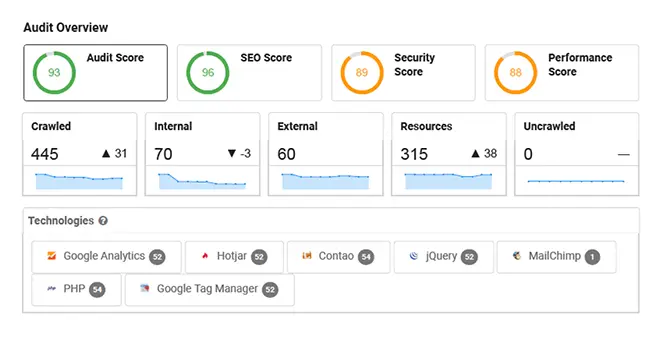
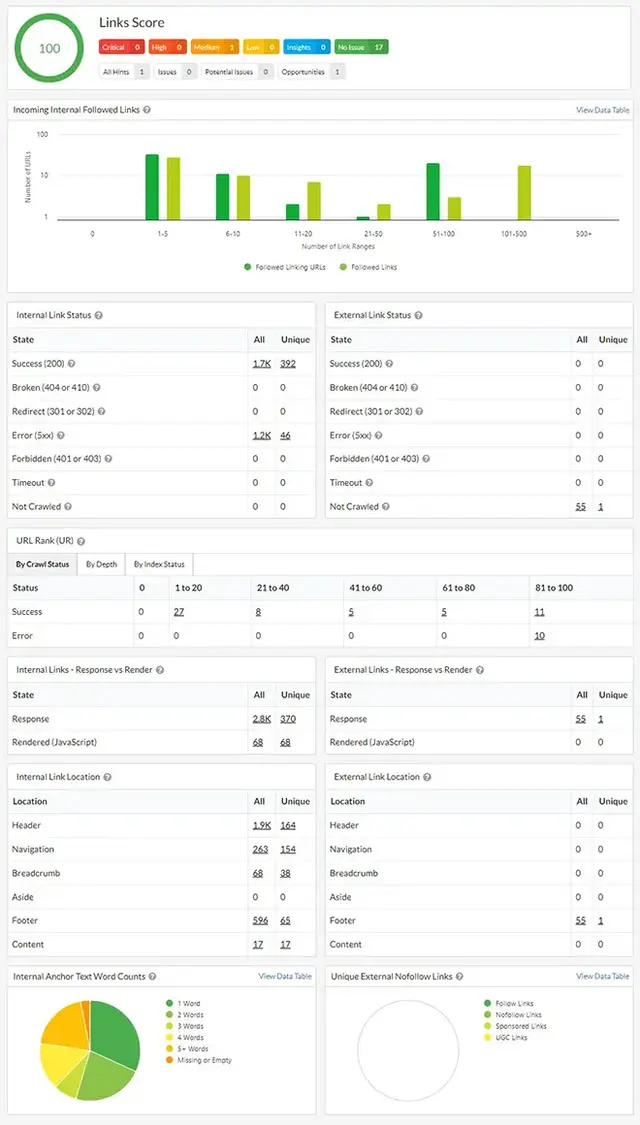
Find What’s Holding Your Website Back and Improve Results
Tell us where your site is underperforming, whether that's a drop in traffic or weak conversions on key pages, and we'll audit the site end-to-end. Audits sit inside our wider Peterborough Web design agency, so the team that finds the issues can also fix them.
Explore Key Sections of This Page
What Are Website Audits & Performance Reviews?
Website audits and performance reviews take a deep look at how your site is built and how it behaves, covering technical setup, SEO health, content quality, user experience, and day-to-day functionality.
They surface the issues that quietly damage visibility, slow down pages, frustrate visitors, or introduce risk, then turn those findings into a clear plan for improving performance across your wider digital activity in Peterborough.
Put simply, a proper audit checks that your website meets what people expect when they land on it, and what search engines need in order to rank it consistently.
Key Areas of Website Audits & Performance Reviews Include:
- Technical SEO Audit
Reviewing crawl paths, indexation signals, internal linking, meta data, and URL structure so search engines can find, understand, and prioritise the right pages. - Page Speed and Performance Analysis
Measuring load speed, server behaviour, mobile performance, and Core Web Vitals to reduce friction and create a smoother experience for visitors. - Content Evaluation
Assessing on-page copy for relevance, intent match, duplication, and keyword targeting to strengthen authority and improve engagement. - Security and Compliance Review
Checking HTTPS configuration, cookie handling, GDPR essentials, privacy policy coverage, and common vulnerability risks to protect data and build confidence. - Conversion Rate Optimisation (CRO) Audit
Mapping journeys from landing page to enquiry or purchase, testing calls to action, forms, and key steps to remove drop-off points and increase conversions. - UX/UI Review
Evaluating navigation, page structure, accessibility, and visual hierarchy to make the site easier to use, clearer to scan, and consistent across devices.
A professional audit and performance review gives you the insight to improve visibility, strengthen user experience, and drive more consistent results for your Peterborough business.
Why Website Audits & Performance Reviews Matter
Your website’s condition has a direct impact on trust, search performance, and how effectively you turn visitors into enquiries and sales.
- Improved SEO and Visibility - Fix the less obvious problems that suppress rankings and strengthen your search presence.
- Enhanced User Experience - Quicker, clearer websites encourage longer sessions, reduce drop-offs, and increase engagement.
- Increased Conversions - Refine layout, messaging, and navigation so more visitors become customers.
- Risk Mitigation - Spot security weaknesses early and address them before they cause disruption.
“A recent review suggests that more than 70% of small business websites fall short on basic SEO checks, often due to missing meta data, broken internal links, crawl and index issues, and slow load speed - all of which can affect Google visibility.”
Website audits and performance reviews are not a nice-to-have - they are essential for any Peterborough business that wants to compete online.
Our Peterborough Website Audit & Performance Review Services
We provide a complete set of audit services designed to keep your website running at its best, with every key area reviewed and refined for stronger performance.
Full Technical SEO Audits
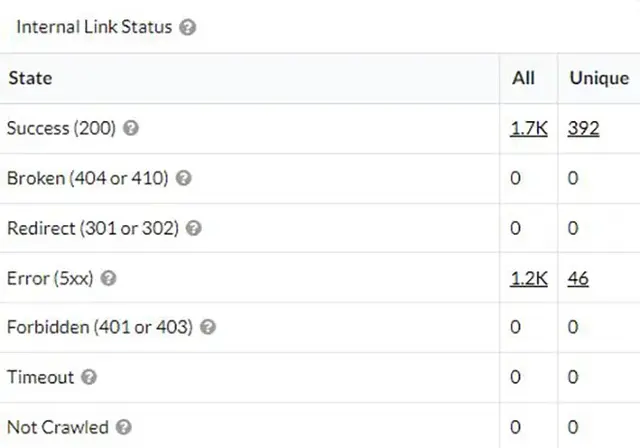
We identify crawl and index problems, broken links, canonical conflicts, sitemap and robots issues, and other technical barriers that stop search engines from understanding your site properly.
Mobile and Speed Optimisation Reviews
We assess mobile usability, load speed, and server responsiveness, then recommend practical improvements that reduce drop-offs and improve usability.
Content Health Checks
We review content quality, intent match, and optimisation, flagging duplication, missing topics, and opportunities to strengthen keyword targeting and internal linking.
Security, GDPR, and Compliance Audits
We check HTTPS and SSL setup, cookie and consent handling, privacy policy coverage, and common security weaknesses so you can protect visitors and maintain trust.
Conversion Optimisation Reports
We analyse journeys, calls to action, forms, and key page layouts to highlight where people hesitate or abandon, and what to change to improve leads and sales.
UX/UI Analysis and Reporting
We evaluate navigation, page structure, accessibility basics, and visual hierarchy to make the experience clearer and more consistent across desktop and mobile.
Our audit approach helps Peterborough organisations stay visible, competitive, and focused on generating measurable results online.
Our work
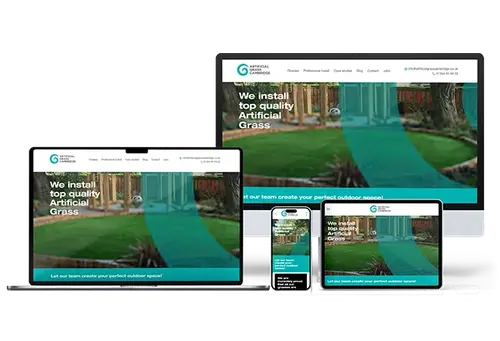
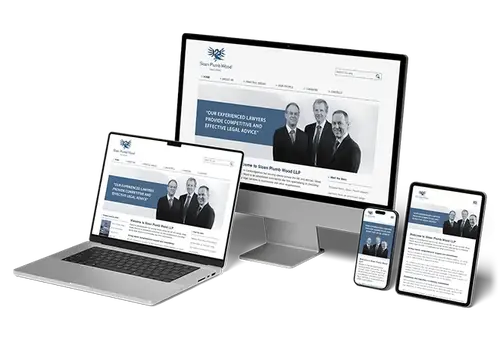
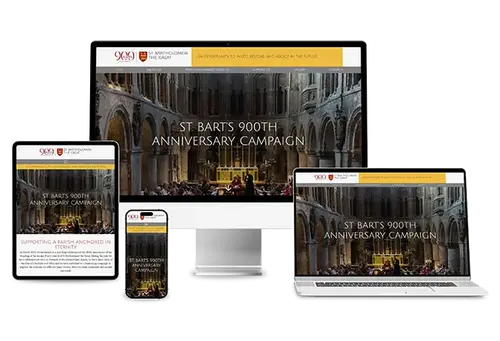
A selection of some of the websites we have designed, programmed, maintain or currently host:























The Audit & Review Process
Our process is structured to give you a complete picture of what is happening on your website, why it matters, and exactly what to do next.
1. Initial Discovery Call
We begin with a focused conversation about your objectives, your current pain points, and the type of customers you want to attract, so the audit is aligned to what matters most.
2. Complete Website Assessment
We run a full review across the areas that influence results - technical SEO, speed and Core Web Vitals, mobile usability, content performance, security, and user experience.
3. Clear, Prioritised Findings
You receive a report that is easy to follow, with issues grouped by impact and urgency, plus a practical checklist to help you tackle the right fixes first.
4. Recommended Actions and Next Steps
We translate findings into a plan, including specific recommendations to improve visibility, strengthen engagement, and remove obstacles to enquiries or sales.
5. Support With Fixes (Optional)
If you would like help implementing changes, we can advise your in-house team or handle the work end-to-end, depending on what suits you best.
6. Review and Ongoing Monitoring
After updates are made, we re-test key metrics, validate improvements, and keep an eye on performance so progress holds over time.
This approach gives Peterborough organisations clear direction, faster improvements, and a stronger foundation for long-term online performance.
Recent Results
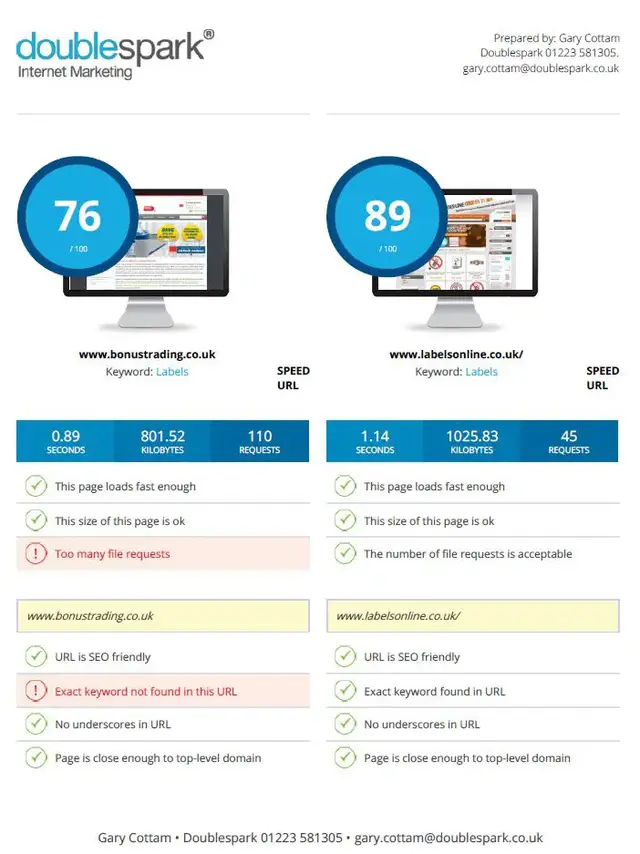
Our website audits and performance reviews in Peterborough identify the technical, UX, and SEO blockers that restrict growth, then turn those findings into practical changes that improve visibility, speed, and conversions.
Client: Employment Law Specialist - Peterborough
Problem: Strong referrals, but inconsistent organic enquiries and low visibility for service pages.
Solution: Technical SEO and UX review uncovered indexation gaps, weak internal linking, and mobile layout issues on key pages.
Result: 44% uplift in organic sessions and a 31% increase in enquiry form completions within 6 months of implementation.
Client: Ecommerce Retailer - Peterborough
Problem: High checkout drop-off and sluggish mobile performance during peak traffic periods.
Solution: CRO-led audit combined with performance optimisation, focusing on checkout steps, image delivery, and script bloat.
Result: 19% reduction in checkout abandonment and a 27% increase in mobile conversion rate over the following quarter.
Client: B2B Software Provider - Peterborough and Cambridgeshire
Problem: Decline in organic leads despite continued publishing and stable paid activity.
Solution: Full audit covering technical SEO, content alignment, and on-site journeys identified cannibalisation, thin supporting content, and tracking inconsistencies.
Result: 58% increase in organic leads and a 24% improvement in top-three keyword placements within 90 days.
From search and speed issues to user experience friction and content gaps, our audit work gives you the clarity and priorities needed to improve performance. Whether you are a local service business or a growing digital brand, we help you strengthen rankings, increase engagement, and convert more of the traffic you already earn.
Tools & Technology We Use for Website Audits
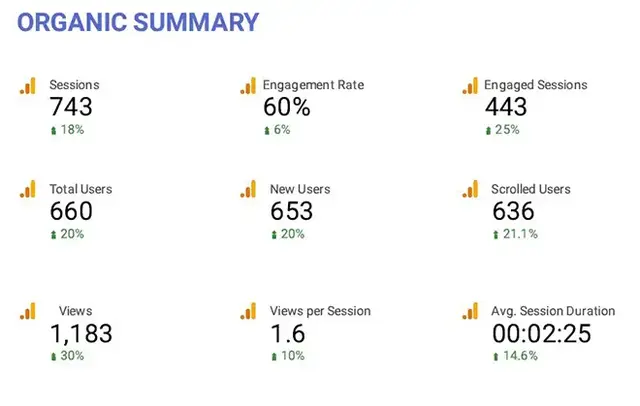
We use proven, industry-standard tools to produce audit findings you can trust, with detail that goes well beyond a quick automated scan.
Our toolkit includes:
- SEMrush & Ahrefs
Advanced SEO and link analysis platforms used to spot ranking opportunities, identify backlink weaknesses, and surface technical SEO problems. - Google Search Console & Analytics
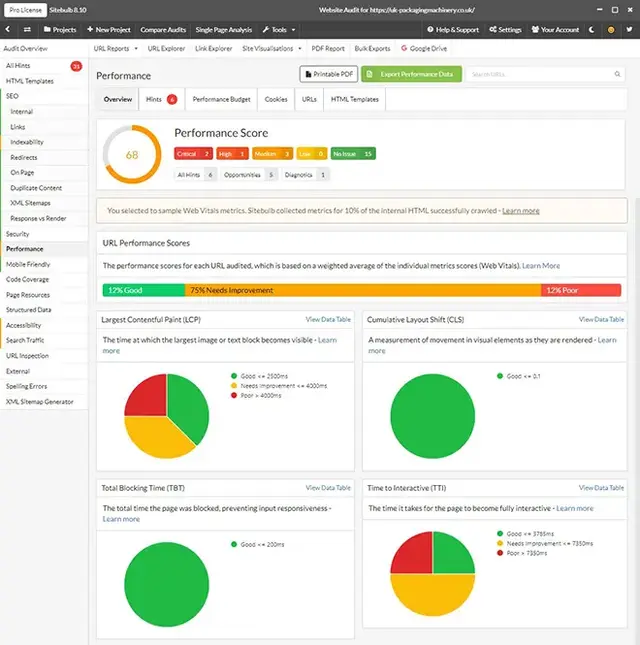
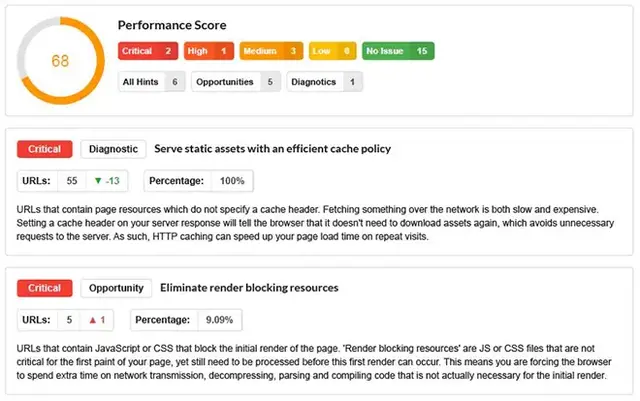
Core Google tools for tracking indexation and search performance, and for understanding how users behave once they land on your site. - GTmetrix & PageSpeed Insights
Speed and Core Web Vitals testing tools that highlight what is slowing pages down and what to prioritise to improve loading performance. - Screaming Frog SEO Spider
Site crawling software that helps uncover broken links, duplicate pages, redirect chains, and issues with titles, headings, and meta descriptions. - Sitebulb
Audit reporting with visual insights and structured data checks to reveal hidden technical issues and give clear, prioritised recommendations. - Hotjar
Heatmaps and session recordings that show how visitors actually use your site, helping pinpoint where UX friction is causing drop-offs. - Security Tools
A set of checks covering HTTPS and SSL configuration, malware scanning, and GDPR essentials so your site remains safe and trustworthy.
Using these tools alongside manual review, we deliver precise, practical audits that help Peterborough organisations improve visibility, usability, and performance.
Industries We Support
Every strong website begins with knowing exactly what is performing well, and what is quietly limiting results. Our website audits and performance reviews identify technical faults, UX pinch points, and overlooked SEO opportunities that may be stopping your site from delivering what it should.
We do not produce generic, automated summaries. You get practical findings based on a thorough review of site structure, content quality, loading performance, mobile usability, crawl and index health, and the steps users take to enquire or buy. Whether you need to recover from a traffic dip, plan a rebuild, or measure your site against local competitors in Peterborough, the audit gives you clear direction.
With analysis focused on your objectives, we turn data into a prioritised plan of action, helping you improve visibility, strengthen performance, and create a website that is faster, more reliable, and more effective.
-
Healthcare & Medical
-
Professional Services
-
Beauty & Cosmetics
-
Education & Training
-
B2B Service Providers
-
Travel, Tourism & Attractions
-
Nonprofits & Charities
-
Wellness, Fitness & Lifestyle
-
Entertainment & Media
-
Food & Beverage
-
Automotive
-
Environmental & Sustainability
Local Website Audits & Reviews for Peterborough Businesses
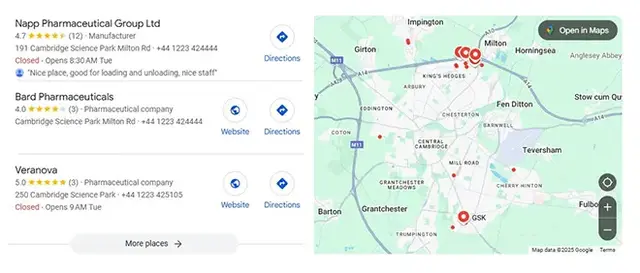
For Peterborough organisations, a strong local online presence can make the difference between steady enquiries and missed opportunities. Our audits and reviews are shaped around businesses targeting the Peterborough area, so recommendations stay relevant, practical, and competitive.
- Local SEO Audits - Improving visibility for Peterborough searches and local map results
- Regional Competitor Benchmarking - Comparing your site’s performance against other providers in and around Peterborough
- Optimised Mobile Experiences - Ensuring your site works smoothly for people searching on the move across the city
- Enhanced Site Security and Data Protection - Checking key safeguards and good practice to protect customer data and build trust
We help you compete in Peterborough’s online market with clearer priorities and confidence in what to improve next.
Benefits of Website Audits & Performance Reviews
A professional website audit brings a range of valuable benefits, helping your brand build stronger, more consistent results online:
- More Organic Traffic
Removing technical SEO barriers, crawl and index issues, and on-site errors improves visibility and helps attract more relevant visitors from search engines. - Better Conversion Performance
Spotting UX friction and refining key journeys makes it simpler for people to take action, whether that is buying, booking, subscribing, or getting in touch. - Stronger Mobile and Desktop Experience
When usability is consistent across devices, visitors stay longer, engage more, and are less likely to abandon the site. - Greater Trust and Credibility
Quick, secure, dependable websites build confidence, support a professional brand image, and encourage repeat visits. - Clear, Evidence-Based Decisions
Audit findings give you a reliable foundation for prioritising work, planning campaigns, and improving your website based on real performance data rather than assumptions.
Regular audits help your website keep pace with your goals, align with best practice, and meet the expectations of customers searching in Peterborough and beyond.
Why Choose Doublespark for Website Audits?
At Doublespark, we pair local understanding of the Peterborough market with deep technical expertise to deliver website audits and performance reviews that create genuine, measurable improvements:
- Peterborough-Relevant Insight - We understand the local competitive landscape and how people search for services in the area.
- Professional Audit Tooling - We use trusted platforms and diagnostics to get accurate findings, not guesswork.
- Clear, Practical Recommendations - Our reports do more than list issues, they explain what to fix, why it matters, and what to prioritise first.
- Support Through to Implementation - If you want help acting on the findings, we can guide your team or deliver the fixes end-to-end.
“After Doublespark’s audit, our site loaded faster, became easier to navigate, and started generating better quality enquiries. It changed how we approach our online marketing.” - Peterborough Business Owner
Work with a team trusted for website audits in Peterborough and unlock the full potential of your online presence.

What Our Clients Are Saying
5-Star Google Reviews That Reflect Our Commitment to Excellence
-
2 months ago
I got Gary at DoubleSpark to overhaul my website as it wasn't performing very well. It has now been transformed and performing really well. We have been getting lots of leads from it. DoubleSpark have done a brilliant job. Thank you.
-
3 months ago
I had a great experience with Doublespark Internet Marketing. The team is knowledgeable, professional, and genuinely focused on delivering results. They took the time to understand my business needs and provided clear, effective strategies that made a noticeable difference.
-
5 months ago
I have been with Doublespark since 2012. As a Cambridge SEO company they supported the online shop and the online marketing, helping more clients find and book our services. Gary has always been willing to help with any issues on the website and has been quick to respond when I have asked for any updates or changes to be made to the website. Highly Recommended
-
8 months ago
Great company to work with, on hand with tech queries and very proactive when an very rare issue arises.
-
10 months ago
Doublespark have looked after website maintenance and hosting for osteolabs since 2021. They keep the site running smoothly, deal with updates behind the scenes, and respond quickly whenever we need support.


Website Design News, Trends and Insights Shaping Digital Experience

The Figma Web Design Process
Figma brings clarity to the parts of a website project that often cause friction. Instead of static PDFs and scattered emails, everyone works in a shared space with live designs, pinned comments, and clickable journeys.

How AI Is Redefining Web Design
AI has moved from being a back‑office helper to becoming part of the user experience itself. This long‑form guide explains how AI is influencing website design and development today, with practical examples.
FAQs About Peterborough Website Audit Services
What Is a Website Audit and Why Might a Peterborough Business Need One?
A website audit is a structured review of how your website is built, how it performs, and how well it supports the jobs you need it to do - generate enquiries, sell products, and build trust. For a Peterborough business, it is not just about spotting technical faults. It is about finding the specific reasons your site may be underperforming in local search, losing visitors on mobile, or failing to convert interest into phone calls and form submissions.
What An Audit Looks At
Most sites develop problems over time. New pages are added, plugins get updated, tracking is changed, and content is published without a consistent structure. Small issues stack up. An audit gives you a baseline so you know what is helping, what is harming, and what to prioritise first rather than guessing or making changes that do not move the needle.
Technical Health and Search Visibility
Technical checks are a core part of the process. We look at crawlability, indexation signals, internal linking, redirect behaviour, canonical tags, structured data, and common errors that stop search engines from understanding your pages. We also review page speed and Core Web Vitals, because slow, unstable pages are more likely to lose people before they even see your offer, particularly on mobile connections around Peterborough or when people are searching on the go.
User Experience and Conversions
A strong audit also looks beyond search engines. User experience is often where revenue is won or lost. We assess navigation, layout clarity, accessibility basics, and whether key pages answer the questions customers in Peterborough are actually asking. If your services are difficult to compare, your calls to action are buried, or your forms are awkward on a phone, you can lose good leads even with decent traffic.
Content, Trust, and Practical Priorities
Content is another frequent gap. We review whether pages are targeting the right intent, whether similar pages are competing against each other, and whether important service pages are thin compared to competitors. We also check duplication and missed opportunities for internal links, FAQs, and supporting content that helps visitors make a decision.
Security and compliance matter too. We check HTTPS and SSL setup, cookie and consent handling, privacy policy coverage, and signs of risk such as outdated components or misconfigurations. For many customers, the quickest signal of trust is a site that loads cleanly, looks professional, and does not throw warnings.
The point of an audit is not to hand you a long list of problems. It is to translate findings into a plan. That means explaining what is urgent, what is high impact, and what can be scheduled later, so your website work aligns with your marketing budget and business goals.
A good audit is also useful when you are planning change. If you are about to redesign, migrate to a new CMS, or start a new SEO campaign, auditing first helps protect rankings and avoids repeating the same mistakes on a new build.
A website audit gives you the clarity to improve faster, spend smarter, and build a website that works harder for your Peterborough business - and it becomes the foundation for consistent, measurable improvements over time.
How Often Should a Peterborough Business Schedule a Website Audit?
Digital performance is not static. Search algorithms change, browsers update, competitors refresh their content, and your own website evolves as new pages, products, and features are added. For that reason, most Peterborough businesses benefit from treating audits as a routine health check rather than a one-off project.
A Sensible Baseline
As a baseline, a full audit every six months is a sensible rhythm for many small and mid-sized organisations. It is frequent enough to catch technical problems before they become expensive, while giving you time to implement improvements and measure what changed. If your website is a primary lead source, or you operate in a competitive local sector, quarterly reviews can be a better fit, especially for monitoring Core Web Vitals, indexation, and key conversion journeys.
When You Should Audit Immediately
There are moments when you should not wait for a scheduled review. If you see a noticeable drop in organic traffic or enquiries, an immediate audit helps determine whether the cause is technical, content-related, or driven by wider search changes. Sudden changes can come from a platform update, a tracking mistake, a robots or noindex issue, broken templates, or redirect problems that quietly remove important pages from visibility.
Redesigns, Migrations, and Security
A post-launch audit is essential after any major redesign, rebuild, or CMS migration. Even well-managed projects can introduce missing redirects, changed URL structures, slower templates, broken internal links, or lost metadata. Checking within the first couple of weeks after launch can protect rankings and stop performance issues from bedding in.
Security should also influence audit frequency. If you rely on third-party plugins or extensions, or you have multiple people making site changes, regular checks reduce the chance of outdated components or misconfigurations. Likewise, if you are collecting customer data through forms, bookings, or ecommerce, routine reviews of cookie handling, consent, and privacy policy coverage are simply good practice.
Match The Cadence to Your Reality
Seasonality matters too. For some Peterborough businesses, enquiries spike at specific times of year. In those cases, auditing ahead of peak periods makes sense so you go into busy months with faster pages, cleaner tracking, and friction removed from enquiry routes. An audit after peak season can also reveal where visitors dropped off and what to improve before the next cycle.
If you are investing in SEO or paid campaigns, auditing more often keeps your landing pages aligned with what you are promoting. It is common to see ad spend increase while conversion rates fall because mobile performance slipped, a form broke, or a key page started loading a third-party script that slowed everything down.
The goal is to match the schedule to risk and reward. A simple brochure site may only need two full audits a year, with light monthly checks for uptime, speed, and Search Console warnings. A more complex site benefits from a regular cadence that monitors technical health and conversion paths.
Regular audits are your insurance policy for digital success - building long-term performance in search and on-site conversions.
What Should a Full Website Audit Include?
A full website audit is a multi-layered review that checks how your site is discovered, how it loads, how it guides visitors, and how safely it handles data. The deliverable should not be a vague score or a list of warnings. It should be a structured report that explains what is wrong, what impact it has, and what action will fix it, with priorities that make sense for a Peterborough business aiming to win more local enquiries or online sales.
Technical SEO Review
The technical SEO review usually comes first because it affects everything else. We crawl the site to identify broken links, redirect chains, duplicate pages, and problems with titles, headings, and meta descriptions. We check indexation signals, canonicals, XML sitemaps, robots directives, and whether key pages are being discovered and indexed as intended. Site architecture matters here too, because a poor structure can hide valuable pages behind too many clicks or messy navigation.
Speed and Core Web Vitals
Performance is another major area. We test loading speed on mobile and desktop, focusing on Core Web Vitals, server response, render-blocking resources, image delivery, caching, and third-party scripts. Many speed problems come from a small number of heavy templates, oversized media, or analytics and tag stacks that have grown over time. The audit should identify the source of the slowdown and the most practical fix, not just report that pages are slow.
Content Quality and Search Intent
Content quality and relevance are reviewed alongside search intent. We look for duplication, outdated pages, thin service descriptions, and content that does not answer user questions. We also examine keyword targeting and cannibalisation, making sure each page has a clear purpose and is not competing against another page for the same terms. Where appropriate, we highlight gaps - topics your competitors cover that you do not - and opportunities to strengthen internal linking between supporting pages and the main services you want to promote.
UX, CRO, and Tracking
User experience and conversion analysis turns the audit into practical business value. We review navigation, layout hierarchy, readability, and the clarity of calls to action. On mobile, we check tap targets, form usability, sticky elements, and whether key actions are easy to complete without frustration. We also map typical journeys, such as landing on a service page, checking credibility, and submitting an enquiry, then identify where people are likely to hesitate or drop out.
Security and compliance checks cover HTTPS configuration, mixed content warnings, cookie handling, and the basics of data protection. We flag obvious risks such as outdated components, exposed admin areas, weak form handling, or missing policy pages. If the site takes payments or stores customer records, we highlight where specialist input may be required.
Tracking is often overlooked, so we verify analytics and conversion measurement. If events are missing, duplicated, or firing incorrectly, marketing decisions turn into guesswork. A good audit confirms that key actions - calls, form submits, purchases, bookings - are being measured accurately.
A full website audit is the blueprint for unlocking your site’s true potential.
How Long Does a Proper Website Audit Usually Take?
The time a website audit takes depends on what is being reviewed and how complex the site is. A five-page brochure site will not need the same depth of crawling, testing, and reporting as an ecommerce platform with thousands of product URLs, third-party integrations, and multiple checkout flows. What matters is not the number of days on a calendar. What matters is whether the audit is detailed enough to produce reliable findings and a plan you can actually use.
Typical Timeframes
For many small and medium-sized businesses in Peterborough, a thorough audit typically takes between five and ten working days. That timeframe allows for proper crawling, manual checks, speed testing on different devices, and time to interpret Search Console and analytics data. It also allows for a report that is written clearly, with priorities and next steps, rather than a download of tool outputs.
What Can Extend the Timeline
Larger or more complex sites can take two to three weeks, especially if they include multiple sections, heavy custom functionality, or several customer journeys that need to be mapped. Ecommerce sites often require additional attention because performance problems can be template-specific, and conversion issues can sit inside the basket and checkout steps rather than on public landing pages. Sites that rely on third-party booking systems or membership areas also take longer because some routes and templates require manual testing beyond standard crawls.
Why Speed Should Not Come at the Cost of Depth
Access can affect timing too. If we need admin access to your CMS, Tag Manager, or analytics, we can verify implementation details and tracking accuracy, which improves the quality of recommendations. If access is limited, the audit can still be done, but some findings may need confirmation later. Where possible, we also allow time to speak with whoever maintains the site so we understand recent changes, known issues, and any constraints you need us to work within.
It is worth being wary of audits that promise instant results. Automated scans are useful for spotting obvious problems, but they rarely explain causes or trade-offs. A proper audit includes manual review of templates, page layouts, internal linking patterns, and the sections of the site that drive revenue. It also considers context, such as what you are trying to rank for in Peterborough, which pages matter most commercially, and what local competitors are doing well.
There is also value in a quick initial review. In some cases, we can identify critical blockers in the first 48 hours - for example, broken indexation, incorrect canonical tags, widespread 404s, or severe mobile performance issues. However, that early insight should feed into a full audit rather than replace it.
Finally, the audit does not end with the report. You should allow time for questions, prioritisation, and planning the implementation. The best outcome is a clear, shared understanding of what to fix first and how to measure improvement once changes go live. If you choose implementation support, we can also help validate fixes as they are deployed.
Taking the time for a full, detailed audit pays off with stronger foundations and more sustainable online results.
Can I Implement Website Audit Fixes Myself, Or Should I Get Support?
Yes, you can fix some website audit issues yourself, but it depends on what the audit finds, how your site is built, and what skills you have in-house. Many Peterborough business owners manage their own websites day to day, and that experience can be enough for a portion of the recommendations. The key is knowing which tasks are safe to handle internally, and which are better passed to a developer or specialist to avoid accidental damage.
What You Can Often Handle In-House
Most audits include a mix of quick wins and more technical fixes. If you have access to your CMS and you are comfortable editing pages, you can usually tackle things like improving page titles, tightening meta descriptions, rewriting on-page headings, adding internal links between related services, and replacing missing or outdated content. You can also fix simple broken links, update image alt text, compress oversized images, and tidy up obvious page layout issues that affect readability or clarity.
For local visibility in Peterborough, you can also often improve trust signals yourself. That might include making contact details consistent, improving service area wording, adding clear calls to action, and ensuring key pages answer the common questions customers ask before they enquire.
Where DIY Fixes Start to Become Risky
Some recommendations can look straightforward in a report but be complex under the hood. Anything involving server configuration, caching layers, script loading behaviour, theme templates, structured data, canonical rules, or robots directives can have wider knock-on effects. Core Web Vitals improvements, for example, often require changes to how your site loads fonts, images, and third-party scripts. Done incorrectly, you can introduce display issues, break tracking, or slow pages further.
Technical SEO fixes can also be fragile. Changes to URL structure, redirects, canonical tags, pagination handling, or indexation settings can cause pages to drop out of search or split ranking signals across duplicates. If your site is generating leads, a small mistake can quickly turn into missed enquiries.
A Practical Way to Split the Work
A good approach is to group fixes into three categories. First - content and messaging updates you can confidently apply in the CMS. Second - technical changes that need developer input. Third - changes that require a coordinated approach, such as redesign-related adjustments, tracking changes, or major template edits.
If the audit includes severity and priority ratings, use them. It is common to spend time on low impact tasks while urgent problems remain unresolved. Prioritisation helps you avoid that trap.
Why Professional Implementation Can Save Money
Professional support is not about doing everything for you. It is about getting complex fixes right first time and validating the impact. A developer can implement performance changes without breaking layouts. An SEO specialist can apply technical corrections without triggering indexation problems. For many Peterborough businesses, that means fewer disruptions, faster improvements, and a clearer line between cause and effect.
How to Implement Safely
Whatever you handle internally, you should implement changes in a controlled way. Take backups, document what you changed, and avoid rolling out multiple major updates at once. If your site has a staging environment, use it. If it does not, implement in smaller batches and monitor key metrics between releases so you can isolate what moved performance up or down.
Finally, treat the audit as a working document rather than a one-time report. Once fixes are implemented, re-test and mark tasks as complete so you keep momentum and avoid reintroducing old problems.
Fixing audit findings in the right way, with the right level of support, helps your Peterborough website improve faster without creating new issues in the process.
Do Website Audits Actually Help You Rank Higher On Google?
A website audit can help your Google rankings, but not because the audit itself changes anything. The improvement comes from implementing what the audit uncovers. Think of the audit as diagnosis. If your Peterborough business has strong services and a solid offer, rankings often improve once hidden blockers are removed and your pages become easier to crawl, faster to load, and clearer to users.
Why Rankings Often Stall Without You Realising
Many websites look fine on the surface while underperforming in search. Pages can be indexable but poorly structured. Important services can be buried behind weak internal linking. Multiple pages can compete for the same searches, splitting relevance. Technical errors can reduce crawl efficiency so search engines spend less time on the pages that matter most. On top of that, slower pages and clunky mobile layouts can increase bounce rates, which can correlate with weaker performance over time.
What An Audit Typically Fixes That Impacts Search
Common audit findings that affect visibility include duplicate titles, missing or confusing canonical tags, broken internal links, redirect chains, and inconsistent status codes. An audit may also uncover pages that should rank but are not indexed, or indexed pages that should not exist at all. When those issues are corrected, search engines can better understand your site, which improves how your content is evaluated and surfaced.
Performance can matter too. If your Core Web Vitals are poor, or your mobile templates load slowly, you are more likely to lose visitors quickly. That creates weaker engagement signals, and it can reduce the number of people who go on to convert. While speed is not the only factor, it is often an easy win when a site has grown over time without performance management.
How Improvements Translate Into Results
When you implement technical fixes, content improvements, and UX changes together, several things can happen. Crawl and index coverage becomes cleaner, so key pages are discovered and maintained more reliably. Content becomes more aligned to what people search for, including service intent and local intent where appropriate. Internal linking makes it easier for search engines to understand which pages are most important, strengthening topical focus. Better page experience helps users stay, explore, and enquire.
What An Audit Cannot Do On Its Own
It is important to be realistic. An audit will not replace the need for strong content, competitive positioning, and authority signals. If competitors in Peterborough have deeper service coverage, more helpful supporting content, and stronger brand credibility, you may need an ongoing plan rather than a one-off fix list. Audits show where your foundations are weak, but growth still requires consistent work.
How Long It Takes to See Movement
Some improvements show quickly, especially if there is a severe issue like incorrect indexation settings or widespread broken internal links. Other changes take longer because Google needs time to re-crawl and re-evaluate pages. Content improvements can take weeks to months to fully settle, depending on competition and how much you change.
The most reliable approach is to measure before and after. Track indexation, impressions, clicks, rankings, and conversions, then compare performance after fixes are live. That is how you turn an audit into a predictable improvement programme rather than a hopeful exercise.
Website audits improve rankings when you act on the findings - they remove the barriers that stop your Peterborough pages from being properly understood, trusted, and surfaced in search.
How Can A Website Audit Improve Conversion Rates?
Conversion rate optimisation is about turning more of your existing visitors into enquiries, purchases, or bookings. A website audit helps because many conversion problems are not obvious until you examine the full journey, especially on mobile. For a Peterborough business, this can mean the difference between steady leads and a site that looks busy but produces little return.
Finding The Real Reasons People Do Not Convert
Most conversion issues fall into a few categories. People cannot find what they need quickly. Pages load slowly and visitors abandon before they engage. The next step is unclear. The site does not build enough trust. Forms are frustrating. Or the content answers questions but does not guide a decision. An audit looks for these issues across key pages, not just the homepage.
Mapping Key Journeys
A conversion-focused audit maps how users move from landing pages to the point of action. That includes service pages, product pages, pricing pages, booking flows, and contact routes. It checks whether navigation supports those journeys, whether internal links direct people to the next logical step, and whether calls to action are visible and persuasive. If users are forced to hunt for contact details or the next step, conversion rates usually suffer.
Removing Friction On Mobile
Mobile users often behave differently. They scan more, have less patience for heavy pages, and are more likely to leave if a form is awkward or a click target is too small. An audit checks mobile layout behaviour, sticky elements, menu usability, font sizing, and form interactions. Simple changes like improving tap targets, reducing layout shifts, and shortening forms can have a measurable impact.
Improving Trust Signals
Trust is a major part of conversion, especially for services. An audit reviews how credibility is presented - reviews, accreditations, case studies, guarantees, FAQs, and clear service explanations. It also checks whether the site feels secure, loads cleanly, and avoids anything that looks broken. Even minor errors, such as mixed content warnings or inconsistent branding, can reduce confidence.
Content That Helps People Decide
Many websites describe services but do not help visitors choose. A CRO audit looks at whether pages answer the questions that block decisions. That can include pricing expectations, process explanations, timeframes, what is included, and what happens next after an enquiry. For Peterborough audiences comparing local providers, clarity often wins.
Measurement and Testing
Conversion improvements should be grounded in data. Audits check tracking and ensure important actions are measured correctly, such as form submissions, calls, bookings, and purchases. If tracking is wrong, you can optimise the wrong thing. Where appropriate, audits also recommend testing, such as changing messaging, simplifying steps, or improving page hierarchy, then measuring the impact over time.
Website audits help CRO by revealing where visitors hesitate, where journeys break, and which changes will most improve leads and sales for your Peterborough site.
Should You Audit Your Website After A Redesign Or Rebuild?
Yes - a post-launch audit is one of the most important steps after a redesign or rebuild. A new design can look better while performing worse, and the damage often happens quietly. For a Peterborough business relying on search visibility and consistent enquiries, the risk is not worth ignoring. An audit after launch checks that the new site works as well as it looks and that key performance signals have not been lost during the transition.
Why Redesigns Commonly Cause Problems
Even well-managed projects can introduce issues. URL structures change. Redirects are missed. Metadata is lost. Internal links break. Page speed worsens due to heavier templates, larger images, and more scripts. Tracking can be misconfigured, so conversions appear to drop even if users are still enquiring. Mobile layouts can look tidy in a designer’s view but behave poorly on real devices.
Protecting Search Visibility
Search performance can drop when pages move without proper redirects or when the content that earned rankings is removed or diluted. A post-launch audit verifies that old URLs redirect cleanly to the best matching new pages and that there are no redirect chains. It checks for 404 errors, canonical issues, duplicate content, and accidental noindex or robots rules that block search engines from accessing important pages.
It also verifies that key pages still contain the information and intent signals that helped them rank. If a new design reduces copy, removes FAQs, or strips structured headings, relevance can be lost. An audit highlights where content parity matters and where you can improve the new pages rather than simply restoring the old ones.
Performance And Core Web Vitals
Redesigns often add features that look good but load slowly. Performance testing after launch confirms whether new templates have introduced heavier scripts, poor image delivery, or layout instability. If speed worsens, conversion rates often follow. An audit identifies the specific assets or templates causing the slowdown, so fixes can be targeted instead of guesswork.
Conversion And UX Validation
Rebuilds can also disrupt the journey to enquiry or purchase. Forms may not work properly. Call to action placement can change. Important details may move further down the page. A post-launch audit checks journeys across devices and browsers, focusing on friction points that reduce conversion. It also checks accessibility basics, because poor contrast, confusing navigation, or inconsistent focus states can frustrate users.
Tracking, Tagging, And Reporting
Finally, the audit validates tracking. If analytics, tags, and conversion events are not working, you lose the ability to measure performance and make good decisions. A rebuild is a common time for tracking to be duplicated or broken. Confirming correct measurement is essential if you run paid campaigns or rely on enquiry data to judge marketing performance.
The best time to audit is both before and after. Pre-launch auditing helps prevent mistakes. Post-launch auditing confirms reality and catches issues that only appear on the live environment. For Peterborough businesses, that approach protects rankings, improves user experience, and prevents a redesign from becoming an expensive setback.
A post-redesign audit safeguards your investment by confirming your new website is fast, trackable, and search-friendly from day one.
Are Performance Reviews The Same As Technical SEO Audits?
They overlap, but they are not the same thing. A technical SEO audit focuses on how search engines crawl, interpret, and index your site. A performance review takes a broader view, looking at speed, stability, user experience, and how effectively the site supports business outcomes like enquiries and sales. Many Peterborough businesses benefit most when both are combined, because visibility without usability rarely produces strong results.
What A Technical SEO Audit Concentrates On
Technical SEO work is centred on search engine compatibility. It checks crawlability, indexation signals, sitemap and robots directives, canonical tags, URL structure, internal linking patterns, pagination handling, and structured data. It also identifies errors such as broken links, redirect chains, duplicate pages, and inconsistent status codes. The goal is to make sure search engines can access and understand the right pages, and that ranking signals are not being diluted or misdirected.
Technical SEO also includes performance elements where they influence search, such as Core Web Vitals and mobile usability. However, in a pure technical SEO audit, those areas are often approached from the perspective of search impact rather than the full customer experience.
What A Performance Review Adds
A performance review expands the scope. It checks loading behaviour in real conditions, template weight, caching effectiveness, third-party scripts, server responsiveness, and page stability. It also considers how visitors experience the site - navigation clarity, readability, mobile interaction, and the friction points that cause people to abandon.
In practice, performance reviews connect technical findings to commercial outcomes. For example, a page might be indexable and technically correct, but if it loads slowly, hides the call to action, or makes forms difficult to complete on mobile, it will underperform even with good rankings.
Which One Do You Need?
If your main issue is visibility, indexation, or ranking drops, a technical SEO audit is often the starting point. If your main issue is high bounce rates, low conversions, poor mobile experience, or complaints about speed, a performance review may be the priority. If you want the clearest route to improvement, combining both gives you a joined-up plan.
How They Work Together
The strongest audits do not treat them as separate. They prioritise fixes based on impact. That means resolving indexation blockers and major technical errors, then improving speed and experience, then refining content and conversion paths. For Peterborough businesses, this combined approach is what turns a website into a reliable engine for enquiries rather than a digital brochure that visitors skim and leave.
Technical SEO and performance are connected - you get the best outcomes when your site is easy to rank and easy to use.
What Should You Expect After Your Website Audit Is Finished?
After your website audit is completed, the most important phase begins - turning findings into improvements. A good audit is not designed to sit in a folder. It should give you clear priorities, explain what to do first, and help you understand the likely impact of each change. For Peterborough businesses, this is where an audit becomes real value, because the goal is better visibility, stronger engagement, and more consistent enquiries or sales.
Receiving The Findings In A Usable Way
You should receive a structured report that separates issues by category, such as technical SEO, performance, content, UX, and conversion. It should also include priority levels, so you can see what is urgent, what is important but not time-critical, and what is optional. If everything is presented as equally urgent, the report is far less useful.
Alongside the report, it is common to provide a checklist or task list. This helps you track implementation and prevents important fixes from being forgotten once the first wave of work is done.
Prioritisation And Planning
The next step is to translate priorities into a plan that fits your resources. Some businesses prefer to tackle quick wins first to build momentum. Others prioritise high impact technical blockers before anything else. The right approach depends on what is holding you back. If your site has indexation issues or critical errors, those usually come first. If conversion is the main problem, improving key journeys and speed on core pages can be more valuable than polishing low-traffic areas.
If you have an internal team, the audit should be clear enough for them to allocate tasks. If you rely on external support, the report should be detailed enough for developers and marketers to implement without guessing.
Implementation Options
Most businesses choose one of three paths. You implement changes internally. You have a developer handle technical work and you handle content updates in-house. Or you outsource implementation end to end. There is no single correct option, but the decision should be based on risk and efficiency. Complex technical changes and performance work are often best handled by specialists, while content improvements can frequently be managed internally.
Validation And Re-Testing
Once changes are deployed, re-testing is essential. That includes confirming that errors are resolved, speed metrics improved, and conversions are still tracked correctly. It also includes checking Search Console for crawl and index improvements over time. If you skip validation, you can end up with partial fixes or new issues that go unnoticed.
Ongoing Monitoring
Finally, many Peterborough businesses benefit from ongoing monitoring. Websites change constantly, and performance can drift as new content is added or plugins update. A light monitoring plan can include periodic crawls, performance checks, and reviews of Search Console warnings. This keeps improvements stable and reduces the chance of problems building up again.
Most importantly, you should expect an audit to create clarity. You should know what matters, what to fix, what can wait, and how you will measure progress. That is how a website audit turns into a long-term advantage rather than a one-off exercise.
Taking action on audit findings is where real growth begins - the audit gives you the roadmap, and implementation delivers the results.
More Of Our Website Services
Serious about growth? Our SEO, PPC, and web services combine proven expertise with modern AI-aware optimisation. Explore what we can do for your business.